Dayton, OR · Yamhill County
Desiccant Dehumidification in Dayton, ORMold Prevention Drying & Firefighting Water Drying
Desiccant Dehumidification in Dayton runs from emergency dehumidification and flood drying services to firefighting water drying.
Answered 24/7
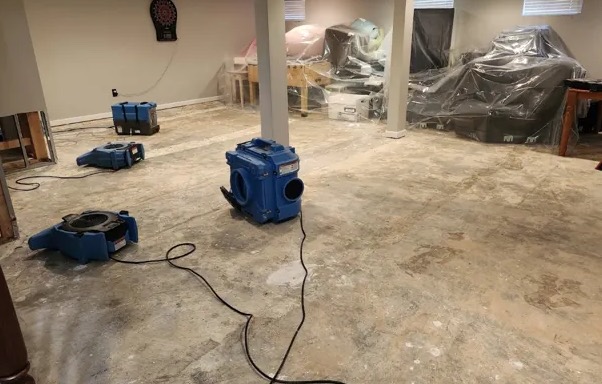
Expert Desiccant Dehumidification for Dayton Properties
Desiccant dehumidifiers dry air differently from the refrigerant units most people know. Instead of cooling air to condense water, they pass it over a material that absorbs moisture, which lets them keep working in cool spaces and reach very low humidity.
In Dayton, desiccant drying is often used in crawl spaces and large buildings after floods. Local drying pros serve Dayton, Lafayette, St. Paul and Dundee, choosing equipment based on readings.
Desiccant Dehumidification Options Available in Dayton
Mold Prevention Drying
In contained work areas, desiccant dehumidifiers keep the air dry while damaged materials are removed and framing is cleaned.
Firefighting Water Drying
Drying after a fire is done once wet debris is removed, so the structure dries cleanly before rebuilding.
Flood Drying Services
After floodwater is pumped out, desiccant dehumidifiers can bring the air to very low humidity, which pulls moisture out of walls, floors and framing faster.
Construction Drying Services
Readings on slabs and framing show when materials are dry enough for the next stage of work.
Water Damage Dehumidification
Desiccant or refrigerant dehumidifiers are chosen based on the space, the temperature and how dry the air needs to get.
When to Consider Desiccant Dehumidification in Dayton
High Humidity Readings on Meter
A hygrometer that keeps reading high humidity days after a leak shows the space is not drying.
Wet Insulation in Attics or Walls
Insulation that is wet in attics or walls holds water against framing and slows drying.
Warped Wood Floors or Trim
Wood floors or trim that cup or warp after a leak are still taking on moisture.
Efflorescence on Masonry Surfaces
White, powdery deposits on masonry show water moving through concrete or block.
How Desiccant Dehumidification Works in Dayton
Step 1: Emergency Moisture Evaluation
The wet area is mapped and the right size and type of dehumidifier is chosen.
Step 2: High-Capacity Setup
Large desiccant units are placed for big spaces or cool areas where standard units struggle.
Step 3: Active Drying Cycle
Dry air is moved across wet materials, with daily readings to track progress.
Step 4: Completion and Insurance Records
Final readings and daily drying logs are compiled into a record for your insurer.
Origins of Dampness and Desiccant Dehumidification in Dayton Buildings
New Construction Moisture Trapped
New concrete, drywall mud and framing on job sites hold moisture until they are dried.
Roof Leaks From Damaged Shingles
Roof leaks from damaged shingles soak attic insulation, roof decking and the ceilings below.
Fire Suppression System Activation
Fire sprinklers and firefighting water soak large areas of a building at once.
HVAC System Condensation Issues
Clogged AC drain lines overflow into attics, closets and the ceilings below them.
House & Business Desiccant Dehumidification in Dayton, OR
Residential Desiccant Dehumidification
In homes, desiccant drying is most often used in crawl spaces and cool lower levels after leaks or floods. Standard units are used in warm rooms where they work well.
Commercial Desiccant Dehumidification
In commercial buildings, high-capacity desiccant units can dry large floors and high-ceiling spaces after sprinkler leaks or floods, with drying planned around business hours.
Desiccant Dehumidification vs. DIY: When to Call the Pros
Buying a moisture meter can help you check walls after a small leak. For larger damage, readings from local drying pros confirm when materials are truly dry.
Understanding Desiccant Dehumidification Expenses in Dayton
Large commercial buildings and construction sites in Dayton may need high-capacity units and ducting, which affects the total.
Moisture Saturation Level
Materials that are fully soaked take longer to dry than lightly damp ones.
Access and Complexity
Crawl spaces, tight areas and large buildings take more effort to set up and monitor.
Duration of Equipment Use
Drying usually takes several days, and each day of equipment use adds to the total.
Does Insurance Cover Desiccant Dehumidification?
Insurers often want proof that drying was needed and that it worked. Starting and final moisture readings from the job show both.
The Value of Local Pros for Desiccant Dehumidification in Dayton
24/7 Emergency Response
Help is available day or night to set up drying equipment after a leak or flood.
Detailed Moisture Documentation
Daily humidity and moisture readings are logged to show progress and support insurance claims.
Industry Drying Standards
Drying follows industry water damage standards, with readings taken at every visit.
Round-the-Clock Desiccant Dehumidification in Dayton, OR
Crawl space or lower level wet after a storm? Call (503) 224-3149 now for desiccant dehumidification in Dayton before the framing stays damp.
Call Now (503) 224-3149Locations for Desiccant Dehumidification Around Dayton
Need desiccant dehumidification outside Dayton? Service also covers Lafayette, St. Paul and Dundee, including emergency drying after hours.
- Desiccant Dehumidification in Lafayette
- Desiccant Dehumidification in St. Paul
- Desiccant Dehumidification in Dundee
- Desiccant Dehumidification in McMinnville
- Desiccant Dehumidification in Carlton
- Desiccant Dehumidification in Amity
- Desiccant Dehumidification in Newberg
- Desiccant Dehumidification in Gervais
- Emergency Damage Restoration in 97114
- Storm Damage Restoration in 97114
- Water Damage Restoration in 97114
- Water Extraction Service in 97114
- Water Leak Detection in 97114
- Water Removal Service in 97114
Answers to Top Desiccant Dehumidification Queries
Is desiccant dehumidifier rental available for DIY projects?
Units can be rented, but they need correct setup, and readings are needed to know when materials are dry.
What areas can benefit from moisture control services?
Crawl spaces, lower levels, attics, large commercial spaces and any room where materials got wet.
What is involved in basement dehumidification after a flood?
Removing water, placing dehumidifiers and air movers and running them until concrete and framing read dry.
How do rapid drying methods protect my property?
They dry materials before they swell, warp or grow microbes, which keeps repairs smaller.
Can desiccant dehumidification help prevent mold?
Yes. Lowering humidity and drying materials quickly is one of the main ways to keep mold from starting.