Dayton, OR · Yamhill County
Hardwood Floor Water Extraction in Dayton, ORHardwood Floor Water Extraction & Hardwood Floor Moisture Inspection
Hardwood Floor Water Extraction in Dayton covers hardwood floor cupping correction, hardwood floor water damage repair and subfloor water extraction.
Answered 24/7
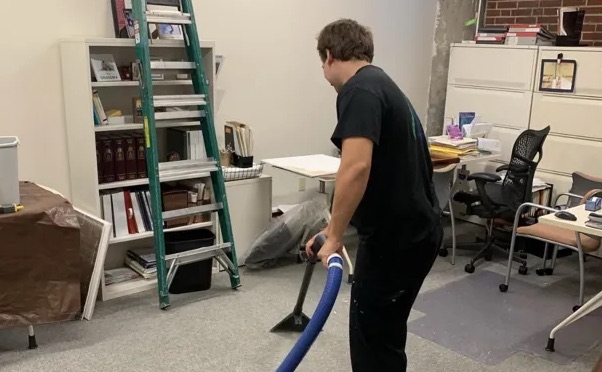
Hardwood Floor Water Damage Response in Dayton, OR
Hardwood floor water damage repair often becomes necessary after the drying phase, addressing visible effects like cupping, gaps or finish damage. In Dayton, repairing these issues restores the floor's functionality and appearance, potentially avoiding a full replacement.
Properties in Dayton and nearby places like Lafayette, St. Paul and Dundee often feature hardwood flooring that demands careful water damage response. Extraction must address surface water and subfloor moisture to prevent warping. Local pros use moisture inspection to guide drying and repair.
Hardwood Floor Water Extraction Services in Dayton
Hardwood Floor Water Extraction
Standing water is removed from hardwood floors in Dayton first, because every hour it sits, more of it soaks into the boards.
Hardwood Floor Moisture Inspection
Readings are mapped room by room, so the pros know exactly which boards are still wet and which have dried.
Hardwood Floor Water Damage Repair
Repair starts once the floor is dry. Stained or dull boards may need sanding and a new finish, and badly damaged boards may need to be replaced.
Wood Floor Warping Repair
The pros check whether warped boards flatten as they dry, or whether those boards will need to be replaced.
Subfloor Water Extraction
Water trapped under hardwood is drawn out through floor mats, small holes or a few removed boards, depending on the floor.
Signs of Water Damage Under Hardwood Floors in Dayton
A Musty, Damp Odor
A musty smell near the floor points to water trapped under the boards, where mold and rot can start.
Floorboards Feeling Soft
Boards that feel soft or spongy underfoot are soaked, or the subfloor below them is.
Dark Spots or Staining
Dark stains on the wood mean water got through the finish and into the boards themselves.
Noticeable Standing Water
Water pooling on a hardwood floor needs to come out now, before it soaks into the boards and the subfloor.
How Hardwood Floor Water Extraction Works in Dayton
Step 1: Containment and Extraction
The wet area is closed off so moisture does not spread, then water is extracted from the surface and between the boards.
Step 2: Deep Structural Drying
Drying equipment targets the subfloor as well as the boards, so every layer reaches a normal moisture level.
Step 3: Correcting Wood Floor Warping
Boards that warp are watched as they dry, and the ones that do not settle are listed for sanding or replacement.
Step 4: Restoration Planning
After drying, the floor is evaluated for refinishing or board replacement needs.
Sources of Moisture Damage to Hardwood Floors in Dayton
Plumbing Leaks Under Floors
A burst pipe or slow drain leak under the floor can wet the subfloor for weeks before the boards show it.
Appliance Leaks and Failures
Leaking dishwashers, refrigerators and washing machines can flood a kitchen or laundry room and soak the hardwood next to it.
Improper Spill Cleanup Methods
Mopping with too much water or the wrong cleaner pushes water into the seams and damages the wood over time.
Natural Flooding Events
Flash floods, sewer backups, or rising water from nearby bodies of water can inundate a home.
Hardwood Floor Water Extraction for Homes and Businesses in Dayton
Residential Hardwood Floor Water Extraction
A flooded living area can damage furnishings and personal belongings. Hardwood floor drying specialists stop the water from spreading, extract standing water and then pull moisture from the subfloor.
Commercial Hardwood Floor Water Extraction
In restaurants and lobbies, water marks on hardwood are easy to see. After drying, cupped or stained areas can be sanded and refinished to match the rest of the floor.
Professional Water Extraction vs. Home Methods for Hardwood Floors
Wiping up surface spills immediately with a dry, absorbent cloth is a good DIY practice. For a larger area, you can use towels to blot, never rub, the moisture. Avoid using heat guns or hair dryers, as concentrated heat can cause cracking.
Pricing Considerations for Water Extraction in Dayton
Estimating cost in Dayton depends on the square footage of damaged flooring and depth of water penetration. The wood species affects drying techniques.
Subfloor Moisture Levels
Water often reaches the subfloor, and drying that layer adds work to the job.
Required Drying Time
The more days the floor takes to dry, the longer the equipment runs and the more visits are needed.
Water Category and Contamination
Clean water from a pipe is simpler to handle than gray water or sewage, which need extra cleaning and protective gear.
Does Insurance Cover Hardwood Floor Water Extraction?
Insurance coverage for hardwood floor drying services depends on the policy. For a covered water event, pros document each step with photos and moisture data. Homeowners submit this to their insurance company.
Why Choose Local Pros for Hardwood Floor Water Extraction in Dayton
Warping and Cupping Assessment
After drying, boards are checked for lasting warping so you know what needs repair.
Comprehensive Damage Documentation
Photos and moisture logs give you a clear record for your own files or an insurance claim.
Targeted Water Extraction
Extraction tools made for hardwood pull water from the surface and seams before the boards absorb it.
24/7 Hardwood Floor Water Extraction in Dayton
Standing water on hardwood floors requires urgent removal to prevent permanent staining, warping, and subfloor saturation. Initiate emergency hardwood floor flood cleanup by calling the pros directly at (503) 224-3149.
Call Now (503) 224-3149Hardwood Floor Water Extraction Service Area Around Dayton
Help with hardwood floor flood cleanup is available in Dayton and nearby Lafayette, St. Paul and Dundee, with extraction and slow, controlled drying.
- Hardwood Floor Water Extraction in Lafayette
- Hardwood Floor Water Extraction in St. Paul
- Hardwood Floor Water Extraction in Dundee
- Hardwood Floor Water Extraction in McMinnville
- Hardwood Floor Water Extraction in Carlton
- Hardwood Floor Water Extraction in Amity
- Hardwood Floor Water Extraction in Newberg
- Hardwood Floor Water Extraction in Gervais
- Emergency Damage Restoration in 97114
- Storm Damage Restoration in 97114
- Water Damage Restoration in 97114
- Water Extraction Service in 97114
- Water Leak Detection in 97114
- Water Removal Service in 97114
Hardwood Floor Water Extraction FAQs
How is water extraction from wood floors different from carpets?
Wood requires gentler extraction to avoid pushing water into seams, and drying is slower due to wood's density.
Can cupped hardwood floors be repaired after water damage?
Significant or persistent cupping often requires sanding and refinishing after the moisture content is fully stabilized to correct the surface.
Can hardwood floor restoration after water damage include refinishing?
Yes, once wood is fully dry and stable, sanding and refinishing can address surface stains, minor cupping, and restore the protective finish.
What is the process for hardwood floor water extraction?
The process begins with extracting any standing water, then deploying air movers and dehumidifiers to dry the wood and subfloor systematically.
Does hardwood floor water extraction address mold risk?
Rapid drying to a safe moisture level within 24-48 hours significantly reduces the risk of mold growth under floors.