Dundee, OR · Yamhill County
Desiccant Dehumidification in Dundee, ORWater Damage Dehumidification & Construction Drying Services
After a flood, Desiccant Dehumidification in Dundee means flood drying services, emergency dehumidification and water damage dehumidification.
Answered 24/7
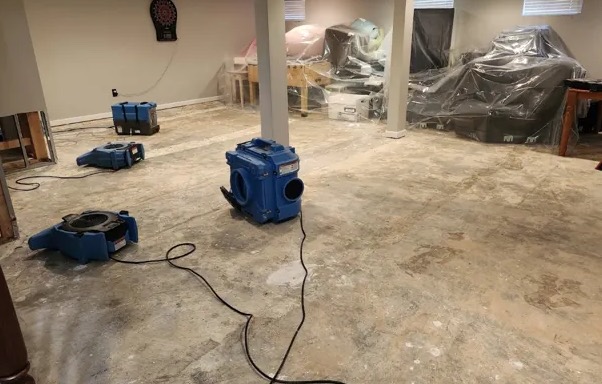
Expert Desiccant Dehumidification for Dundee Properties
Construction projects in Dundee can trap moisture in new concrete, drywall mud and framing. Flooring and finishes may fail if laid over damp materials.
In Dundee, desiccant drying is often used in crawl spaces and large buildings after floods. Local drying pros serve Dundee, Newberg, St. Paul and Dayton, choosing equipment based on readings.
Comprehensive Desiccant Dehumidification for Dundee
Water Damage Dehumidification
After a leak or flood, dehumidifiers remove moisture from the air so wet drywall, wood and carpet can dry out.
Construction Drying Services
New construction can trap moisture in concrete, drywall mud and framing. Desiccant units help dry the building before finishes go in.
Emergency Dehumidification
Equipment is sized to the space on the first visit and adjusted each day based on readings.
Basement Dehumidification
Once readings show the basement is dry, equipment is removed and the space is ready for repairs.
Flood Drying Services
Flood drying pairs desiccant units with air movers aimed at wet materials, with readings taken every day until the structure is dry.
Indicators for Desiccant Dehumidification in Your Dundee Home
Visible Condensation on Windows
Windows that fog or drip inside show the air holds too much moisture for materials to dry.
Warped Wood Floors or Trim
Wood floors or trim that cup or warp after a leak are still taking on moisture.
Peeling Paint or Wallpaper
Paint or wallpaper that peels after a leak has moisture behind it that has not dried.
Wet Insulation in Attics or Walls
Insulation that is wet in attics or walls holds water against framing and slows drying.
How Desiccant Dehumidification Works in Dundee
Step 1: Emergency Moisture Evaluation
The wet area is mapped and the right size and type of dehumidifier is chosen.
Step 2: High-Capacity Setup
Large desiccant units are placed for big spaces or cool areas where standard units struggle.
Step 3: Active Drying Cycle
Dry air is moved across wet materials, with daily readings to track progress.
Step 4: Completion and Insurance Records
Final readings and daily drying logs are compiled into a record for your insurer.
What Leads to Humidity Damage Needing Desiccant Dehumidification in Dundee
Roof Leaks From Damaged Shingles
Roof leaks from damaged shingles soak attic insulation, roof decking and the ceilings below.
Plumbing Leaks or Pipe Bursts
Burst pipes and leaking supply lines soak walls and floors that then need drying.
Groundwater Rise After Heavy Rains
Groundwater rising after long rains keeps crawl spaces and lower levels damp.
Foundation Cracks and Seepage
Foundation cracks let groundwater seep into lower levels, keeping walls and floors damp.
House & Business Desiccant Dehumidification in Dundee, OR
Residential Desiccant Dehumidification
In homes, desiccant drying is most often used in crawl spaces and cool lower levels after leaks or floods. Standard units are used in warm rooms where they work well.
Commercial Desiccant Dehumidification
In commercial buildings, high-capacity desiccant units can dry large floors and high-ceiling spaces after sprinkler leaks or floods, with drying planned around business hours.
Desiccant Dehumidification vs. DIY: When to Call the Pros
For a small spill in a warm room, a household dehumidifier and fan may be enough. Call local drying pros if drywall, flooring or framing got wet or the space is cool and damp.
What Affects Desiccant Dehumidification Cost in Dundee
The cost of desiccant dehumidification in Dundee depends on the size of the wet area, how wet the materials are and how long the equipment needs to run.
Additional Restoration Steps
Extraction, material removal and cleaning before drying are separate steps that add to the total.
Duration of Equipment Use
Drying usually takes several days, and each day of equipment use adds to the total.
Moisture Saturation Level
Materials that are fully soaked take longer to dry than lightly damp ones.
Does Insurance Cover Desiccant Dehumidification?
Insurers often want proof that drying was needed and that it worked. Starting and final moisture readings from the job show both.
The Value of Local Pros for Desiccant Dehumidification in Dundee
24/7 Emergency Response
Help is available day or night to set up drying equipment after a leak or flood.
Damage Assessment
The full affected area is checked, including rooms next to and below the source.
Post-Flood Drying
Floodwater cleanup is followed by drying that continues until readings are normal.
24/7 Emergency Desiccant Dehumidification in Dundee
Water damage that needs fast drying in Dundee? Call (503) 224-3149 to get dehumidifiers and air movers in place. Help is available 24/7.
Call Now (503) 224-3149Desiccant Dehumidification Near Dundee: Areas Served
Need desiccant dehumidification outside Dundee? Service also covers Newberg, St. Paul and Dayton, including emergency drying after hours.
- Desiccant Dehumidification in Newberg
- Desiccant Dehumidification in St. Paul
- Desiccant Dehumidification in Dayton
- Desiccant Dehumidification in Lafayette
- Desiccant Dehumidification in Carlton
- Desiccant Dehumidification in Sherwood
- Desiccant Dehumidification in Donald
- Desiccant Dehumidification in McMinnville
- Emergency Damage Restoration in 97115
- Storm Damage Restoration in 97115
- Water Damage Restoration in 97115
- Water Extraction Service in 97115
- Water Leak Detection in 97115
- Water Removal Service in 97115
Desiccant Dehumidification FAQs
What are the benefits of construction drying services?
Drying slabs and drywall on schedule so flooring and finishes are not installed over damp materials.
What equipment is used for commercial building drying?
High-capacity desiccant or refrigerant dehumidifiers, air movers, moisture meters and sometimes ducting to direct dry air.
How are moisture levels monitored during drying?
With hygrometers for air and moisture meters for drywall, wood and concrete, checked every day.
When is desiccant dehumidification a better choice than refrigerant units?
In cool spaces, very large areas or when very low humidity is needed to dry dense materials.
What is desiccant dehumidification used for?
Drying spaces after water damage where standard dehumidifiers struggle, such as cool crawl spaces, large buildings and dense materials.