Raleigh Hills, OR · Washington County
Basement Water Removal in Raleigh Hills, ORBasement Water Pump Out & Sump Pump Failure Water Cleanup
Homeowners in Raleigh Hills get Basement Water Removal for basement floor water damage, basement water pump out and basement moisture inspection.
Answered 24/7
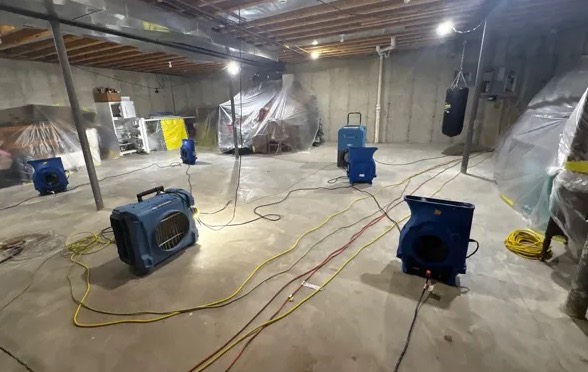
Basement Water Removal Solutions for Raleigh Hills Homeowners
Basement Water Removal in Raleigh Hills protects more than the floor. Furnaces, water heaters, washers and stored belongings in the basement can all be damaged by standing water.
A single storm or burst pipe in Raleigh Hills can flood a basement. Local basement water removal pros serve Raleigh Hills and nearby West Slope, Garden Home and West Haven-Sylvan, with help available around the clock.
The Basement Water Removal Process in Raleigh Hills
Basement Water Pump Out
Pumping starts once power to the basement is safe. Deep water goes first, then extractors handle the thin layer left on the floor.
Sump Pump Failure Water Cleanup
Cleanup after a sump failure includes drying the area around the pit and noting whether the pump, switch or power was the cause.
Basement Wall Drying
Opening the bottom of finished walls lets air reach the studs and sill plate, which otherwise stay wet behind the drywall.
Emergency Basement Flooding
Help is available any hour when water is rising in the basement from a storm, a sewer backup or a burst pipe.
Basement Moisture Inspection
An inspection shows how high water wicked up the walls and how far it spread under flooring, which sets the drying plan.
Warning Signs You Need Basement Water Removal
Standing Water in Basement
Standing water anywhere on the basement floor needs to be pumped out before it soaks the walls.
Rusted Appliances or Furniture
Rust on appliance bases, furniture legs or metal shelving points to standing water or long-term dampness.
High Humidity and Condensation
Water on pipes and windows, or a constantly clammy feel, means basement humidity is too high.
Wet or Damp Basement Walls
Basement walls that look dark, feel damp or show tide lines are taking on or holding water.
How Basement Water Removal Works in Raleigh Hills
Step 1: Safety Assessment and Pump Out
Electrical hazards are checked, then deep water is pumped outside away from the foundation.
Step 2: Content Removal and Damage Documentation
Wet belongings are moved, and photos record the water level and damaged materials.
Step 3: Targeted Water Removal and Drying
Carpet is extracted, wet drywall is cut back and air is aimed at walls and the slab.
Step 4: Sanitization and Moisture Control
Surfaces touched by dirty water are disinfected, and dehumidifiers keep humidity low.
Sources of Basement Water Problems
Window Well Leaks and Drainage
Window wells without drains or covers fill with rain and leak through the windows.
Heavy Rainfall and Storm Flooding
Heavy rain saturates the soil and pushes water through walls, cracks and the floor joint.
Appliance Malfunctions and Overflows
Washers, utility sinks and water softeners in the basement can overflow or leak.
Foundation Cracks and Seepage
Cracks in foundation walls and the slab let groundwater seep in during wet weather.
Residential and Commercial Basement Water Removal in Raleigh Hills
Residential Basement Water Removal
Families should keep children and pets away from basement water until power is safe and the type of water is known.
Commercial Basement Water Removal
In restaurants and shops, basement water near food or stock storage needs fast removal and cleaning before those areas are used again.
Professional Basement Water Removal Versus Do-It-Yourself
Do not step into basement water if cords, outlets or appliances are in it. Shut off power at the panel only if you can reach it from a dry spot, then call (503) 224-3149.
What Influences the Price of Basement Water Removal
In Raleigh Hills, the drying phase usually costs more than the pumping, because basements need equipment running for several days.
Water Depth and Volume
Deeper water takes more pumping time and usually means more materials got wet.
Drying Time Required
Basements dry slowly, and each extra day of equipment adds to the total.
Additional Services
Antimicrobial treatment, contents cleaning and repairs after drying add to the cost.
Does Insurance Cover Basement Water Removal?
Ask your adjuster early how your policy treats seepage and sewer backups, since many policies limit or exclude both kinds of water.
Why Choose Local Pros for Basement Water Removal in Raleigh Hills
Advanced Drying Equipment
Pumps, extractors and large dehumidifiers remove water much faster than household tools.
Post-Service Moisture Verification
Final readings are recorded before equipment leaves, so you know the basement is dry.
Contamination Safety Protocols
Sewage and dirty water are handled with protective gear, containment and disinfection.
Emergency Basement Water Removal Available 24/7
Water still rising in the basement? Call (503) 224-3149 now for basement water removal in Raleigh Hills before the water reaches finished rooms and stored belongings.
Call Now (503) 224-3149Basement Water Removal Near Raleigh Hills: Areas Served
Nearby areas served for basement water removal include West Slope, Garden Home and West Haven-Sylvan, with the same pumping and drying steps used in Raleigh Hills.
Frequently Asked Basement Water Removal Questions
Why is basement dehumidification important after pumping?
Walls and concrete keep releasing moisture for days. Dehumidifiers remove it so the basement does not stay damp.
Why is fast water removal so important for basements?
Basements dry slowly, so every hour of standing water adds drying days and more materials to replace.
What is the difference between a pump out and extraction?
A pump out removes deep standing water. Extraction pulls the remaining water from carpet, pad and floors.
What is involved in basement leak cleanup?
Stopping the leak, extracting the water, drying the floor and walls and checking for hidden moisture under flooring.
What is involved in basement water removal?
Making power safe, pumping out standing water, extracting floors and carpet, removing soaked materials and dehumidifying until dry.