Raleigh Hills, OR · Washington County
Attic Water Damage Restoration in Raleigh Hills, ORAttic Leak Water Cleanup & Attic Moisture Inspection
Get attic water damage restoration in Raleigh Hills for emergency attic water extraction, wet attic insulation removal and attic mold prevention.
Answered 24/7
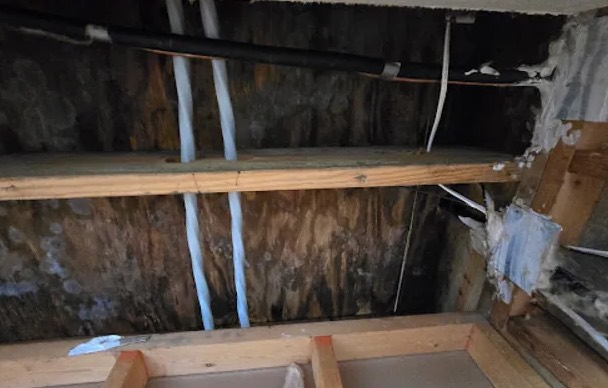
Get Help with Attic Water Damage Restoration in Raleigh Hills
Wet attic insulation is heavy and holds water against the ceiling drywall. In Raleigh Hills homes, that weight and moisture can make a ceiling sag and eventually fall if the insulation is not removed.
A storm leak in Raleigh Hills can soak attic insulation in one night. Local attic water damage pros serve Raleigh Hills and nearby West Slope, Garden Home and West Haven-Sylvan, with help available around the clock.
Detailed Attic Water Damage Restoration Solutions
Attic Leak Water Cleanup
Leak cleanup in an attic means working between joists and around ducts, wiring and insulation, removing water from every spot it pooled.
Attic Moisture Inspection
Readings are recorded before and during drying, giving you and your insurer a clear record of the attic damage.
Wet Attic Insulation Removal
Wet fiberglass batts lose their insulating value and hold water against the ceiling. Soaked sections are bagged and removed so the area underneath can dry.
Attic Drying Services
Attic drying targets the wood framing and the ceiling below, with readings taken until both return to normal levels.
Attic Mold Prevention
Poor ventilation keeps attics damp. Blocked soffit vents or a disconnected bath fan duct are pointed out so moisture does not return.
Do You Need Attic Water Damage Restoration in Raleigh Hills?
Water Stains on Ceiling
Brown rings or yellow spots on an upstairs ceiling usually mean water is sitting on the drywall from above.
Rust on Nails or Vents
Rusted nail tips, vent flanges or metal straps in the attic point to repeated moisture.
Musty Odors in Home
A musty or damp smell on the upper floor can point to wet insulation or wood in the attic.
Active Leak During Rain
Water dripping into the attic during rain shows an active roof leak that needs fixing and drying.
How Attic Water Damage Restoration Works in Raleigh Hills
Step 1: Emergency Attic Water Extraction
Active drips are caught, pooled water is removed from decking and drywall tops, and power to wet fixtures is checked.
Step 2: Attic Moisture Inspection and Mapping
Meters and thermal cameras map wet insulation, wood and ceiling drywall from the leak point outward.
Step 3: Structural Drying and Dehumidification
Air movers and dehumidifiers dry rafters, joists and decking, with equipment set on safe footing.
Step 4: Final Verification and Documentation
Readings confirm the attic and ceiling are dry, and photos and logs are provided for insurance.
Common Causes of Attic Leaks in Raleigh Hills
Condensation From Poor Ventilation
Warm, moist air from the house condenses on cold roof decking when the attic is poorly vented.
Overflow From Bathroom Exhaust Fans
Bathroom fans that vent into the attic, or have disconnected ducts, release moisture onto the decking.
Failing Roof Valley or Flashing
Worn flashing around valleys, chimneys and skylights lets water run into the attic.
Attic Appliance Leaks
AC air handlers in the attic overflow when the condensate line clogs or the pan cracks.
Home and Business Attic Water Damage Restoration Services
Residential Attic Water Damage Restoration
At home, attic leaks usually show up as a stain on a bedroom or hallway ceiling. The attic is dried, wet insulation removed and the ceiling below repaired or dried in place.
Commercial Attic Water Damage Restoration
In commercial buildings, water above a drop ceiling can soak tiles, wiring and insulation across several rooms. Affected tiles are removed and the space above them is dried.
Why DIY Attic Water Damage Restoration Often Fails in Raleigh Hills
You can check the attic with a flashlight for wet insulation and dripping water if it is safe to do so. Removing soaked insulation and drying the framing takes equipment, protection and safe footing.
What Influences Attic Water Damage Restoration Expenses?
In Raleigh Hills, insulation removal and ceiling repair often make up a large share of the bill, along with drying equipment days in the attic.
Duration Before Response
A leak found right away costs less to fix than one that soaked the attic for weeks.
Required Drying Time
Dense wood framing can take several days to dry, adding equipment time.
Affected Attic Materials
Wet insulation, decking and ceiling drywall that must be removed add labor and disposal costs.
Does Insurance Cover Attic Water Damage Restoration?
Many homeowner policies cover sudden roof leaks from storms and burst attic pipes, but not damage from worn-out roofing or slow leaks. Read your policy and call your insurer early.
Advantages of Hiring Local Pros for Attic Water Damage Restoration
Detailed Documentation
Photos, readings and drying logs are kept to support your insurance claim.
Full Attic Assessment
The whole attic is checked, from the roof deck to the ceiling below, not just the leak spot.
Wet Insulation Handling
Wet insulation is bagged and removed carefully, keeping debris out of the living space.
Urgent Attic Water Damage Restoration Help Day or Night
Water dripping from your ceiling in Raleigh Hills? Put a bucket under it, move belongings and call (503) 224-3149. Help for attic leaks is available 24/7.
Call Now (503) 224-3149Providing Attic Water Damage Restoration to Surrounding Communities
Need attic water damage restoration outside Raleigh Hills? Service also covers West Slope, Garden Home and West Haven-Sylvan, including emergency help during storms.
- Attic Water Damage Restoration in West Slope
- Attic Water Damage Restoration in Garden Home
- Attic Water Damage Restoration in West Haven-Sylvan
- Attic Water Damage Restoration in Metzger
- Attic Water Damage Restoration in Beaverton
- Attic Water Damage Restoration in Cedar Hills
- Attic Water Damage Restoration in Cedar Mill
- Attic Water Damage Restoration in Oak Hills
Attic Water Damage Restoration FAQs
How is attic water damage documented?
With photos of the leak point and damage, moisture readings, a list of removed materials and daily drying logs.
What equipment is used for attic water removal?
Wet vacs, air movers, dehumidifiers, moisture meters and thermal cameras, plus bags and HEPA vacuums for insulation removal.
What causes attic leaks besides storms?
Worn flashing, clogged gutters, attic AC overflows, plumbing leaks and bathroom fans venting into the attic.
What is structural drying for an attic?
Drying the rafters, joists and roof decking with directed airflow and dehumidifiers until moisture readings return to normal.
What is involved in emergency attic water extraction?
Catching active drips, removing pooled water from decking and drywall tops, and starting drying before the ceiling below is ruined.