Cedar Hills, OR · Washington County
Basement Water Removal in Cedar Hills, OREmergency Basement Flooding & Basement Floor Water Damage
Basement Water Removal in Cedar Hills includes basement water pump out, basement drying services and basement moisture inspection.
Answered 24/7
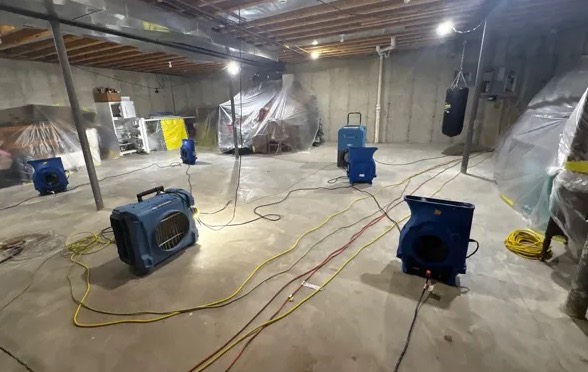
Professional Basement Water Removal in Cedar Hills, OR
A wet basement gets worse every hour the water stays. In Cedar Hills, water on a basement floor wicks up drywall, soaks carpet pad and seeps into the concrete, and cool below-grade air keeps it from drying on its own.
Homes in Cedar Hills and nearby Beaverton, Cedar Mill and West Slope with basements face storm seepage, sewer backups and plumbing leaks. Help with basement water removal covers pump-out, wall and floor drying and dehumidification.
The Basement Water Removal Process in Cedar Hills
Emergency Basement Flooding
Help is available any hour when water is rising in the basement from a storm, a sewer backup or a burst pipe.
Basement Floor Water Damage
Concrete floors are squeegeed, extracted and dried with airflow and dehumidifiers until moisture readings drop.
Basement Moisture Inspection
Moisture meters and thermal cameras check walls, floors and the slab for water that is not visible, including behind finished walls.
Basement Drying Services
Drying plans for basements account for cool air and thick concrete, which hold moisture longer than upper floors.
Sump Pump Failure Water Cleanup
When a sump pump stops, groundwater spreads across the floor. The water is pumped out and the floor and lower walls are extracted.
Warning Signs You Need Basement Water Removal
Gurgling Sounds From Drains
Gurgling floor drains or slow drains can be an early sign of a sewer line problem.
Mold or Mildew
Dark spots on drywall, framing or stored items mean the area has stayed wet for days.
Musty Odors and Mold Smell
A musty or damp smell in the basement points to wet materials hidden somewhere in the space.
Soggy or Wet Carpeting
Carpet that feels damp or smells sour is holding water in the pad against the concrete.
How Basement Water Removal Works in Cedar Hills
Step 1: Safety Assessment and Pump Out
Electrical hazards are checked, then deep water is pumped outside away from the foundation.
Step 2: Content Removal and Damage Documentation
Wet belongings are moved, and photos record the water level and damaged materials.
Step 3: Targeted Water Removal and Drying
Carpet is extracted, wet drywall is cut back and air is aimed at walls and the slab.
Step 4: Sanitization and Moisture Control
Surfaces touched by dirty water are disinfected, and dehumidifiers keep humidity low.
Why Basements Flood in Cedar Hills
Plumbing Leaks or Pipe Bursts
Supply lines, drain pipes and water heaters in the basement can leak or burst onto the floor.
Sewer Line Backups and Blockages
A blocked sewer line can push wastewater up through basement floor drains and toilets.
Foundation Cracks and Seepage
Cracks in foundation walls and the slab let groundwater seep in during wet weather.
Clogged or Damaged Gutters
Clogged gutters and short downspouts dump roof water right next to the foundation.
House and Business Basement Water Removal in Cedar Hills
Residential Basement Water Removal
Finished basements used as bedrooms or family rooms need careful moisture checks behind walls and under flooring, since that is where water hides.
Commercial Basement Water Removal
Businesses with below-grade storage need wet inventory moved out and documented. Drying is planned around daily operations wherever possible.
Professional Basement Water Removal Versus Do-It-Yourself
Fans by themselves can spread damp basement air through the rest of the house. Basement drying needs dehumidifiers that pull moisture out of both the air and the concrete.
Understanding Basement Water Removal Pricing
Waterproofing and drainage work are separate costs. In Cedar Hills, they may be needed to stop the next flood.
Drying Time Required
Basements dry slowly, and each extra day of equipment adds to the total.
Contamination Level
Sewage or dirty water needs protective gear, removal and disinfection, which costs more.
Affected Materials
Finished walls, carpet and laminate take more removal work than bare concrete.
Does Insurance Cover Basement Water Removal?
Flooding from outside water usually needs separate flood insurance. Water from a broken pipe or appliance inside is more often covered.
Why Cedar Hills Homeowners Trust Local Pros for Basement Water Removal
Moisture Inspection
Meters and thermal cameras find water in walls, floors and slab that looks dry.
Post-Service Moisture Verification
Final readings are recorded before equipment leaves, so you know the basement is dry.
24/7 Emergency Response
Help is available day or night when water is rising in the basement.
Emergency Basement Water Removal Available 24/7
If water is near outlets, the furnace or the electrical panel, stay out of it. Call (503) 224-3149 for help in Cedar Hills and wait for power to be made safe.
Call Now (503) 224-3149Local Basement Water Removal Coverage for Beaverton, Cedar Mill and West Slope
Help with basement water removal reaches Beaverton, Cedar Mill and West Slope, plus other communities around Cedar Hills, for finished and unfinished basements alike.
Common Basement Water Removal Questions Answered
Does basement flood cleanup include mold prevention?
Fast drying is the main prevention. Wood and concrete that stayed wet can be treated with an antimicrobial once dry.
Is a sump pump failure an emergency?
Yes, especially during rain. Groundwater can rise quickly once the pump stops, flooding the floor and finished rooms.
How long does basement drying take?
Often several days or longer, because concrete and cool basement air hold moisture. Daily readings show when it is done.
Can wet drywall in a basement be saved?
Sometimes, if the water was clean and removed quickly. Soaked or contaminated drywall is cut out above the water line.
Can I dry my basement myself with fans?
Fans help with surface water, but walls and concrete need dehumidifiers and readings to dry fully.