Cedar Hills, OR · Washington County
AC Unit Water Removal in Cedar Hills, ORAC Leak Water Cleanup & AC Leak Water Extraction
AC Unit Water Removal in Cedar Hills runs from emergency AC water removal and AC leak water cleanup to air conditioner restoration services.
Answered 24/7
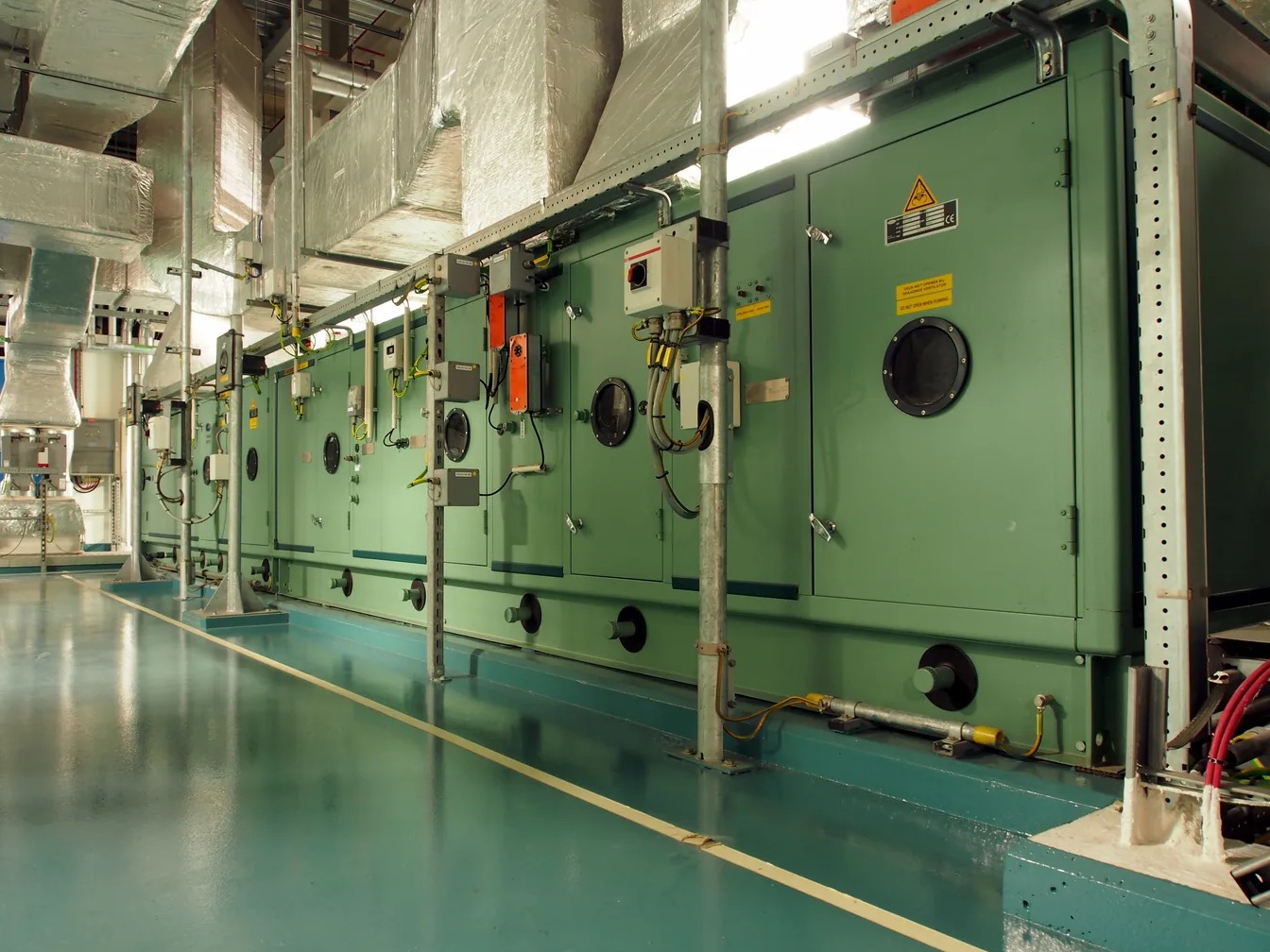
Professional AC Unit Water Removal in Cedar Hills, OR
Attic air handlers in Cedar Hills leak straight into the ceiling below. A sagging or stained ceiling under the unit means water is already in the drywall and possibly the insulation above it.
In Cedar Hills, Beaverton, Cedar Mill and West Slope, long cooling seasons give algae plenty of time to clog drain lines. The pros remove the water, clear the line and dry ceilings, walls and flooring before the damage spreads further into framing, insulation and the rooms nearby.
The AC Unit Water Removal Process in Cedar Hills, OR
AC Leak Water Cleanup
Cleanup starts at the drain pan and works outward, removing pooled water and wet debris so drying can begin.
AC Leak Water Extraction
Water is removed from every wet surface the leak reached, including closets and rooms below an attic air handler.
Air Conditioner Restoration Services
Work finishes with cleanup and a check that the unit drains properly, so the leak does not return.
AC Condensate Drain Clearing
A clogged condensate line is the most common reason an AC unit leaks. The pros flush out algae and sludge so condensate drains away again.
Wet AC Unit Component Drying
Damp insulation inside the cabinet holds water for a long time. It is dried in place or replaced if it stays wet.
When to Call for AC Unit Water Removal in Cedar Hills
Unusual AC System Noises
Gurgling or dripping sounds from the unit can mean water is backing up in the drain line.
AC Unit Circuit Breaker Trips
Water reaching electrical parts can trip the breaker. Shut the unit off and call before resetting it again.
Reduced Cooling Efficiency
A clogged drain can trip a float switch or starve the coil of airflow, so the system runs longer and cools less.
Water on the Floor
A puddle around the air handler or furnace closet is the most direct sign of a leak.
How AC Unit Water Removal Works in Cedar Hills
Step 1: Leak Assessment
The pros find the source of the leak, check how far the water spread and take moisture readings.
Step 2: Source Stop and Water Removal
The drain is cleared or the leaking part isolated, then standing water is extracted from every wet area.
Step 3: System Drying and Dehumidification
Drying equipment runs until walls, floors and insulation test dry, with readings taken at each visit.
Step 4: Verification and Restoration
Final readings confirm the materials are dry, then damaged drywall, trim or ceiling panels can be replaced.
Frequent Sources of AC Water Damage
Dirty Air Filters
A clogged filter cuts airflow, which can freeze the coil and cause overflow when it melts.
Damaged AC Drain Pan
Metal pans rust through and plastic pans crack with age, letting water drip straight through.
Improper AC Unit Installation
A unit that is not level, or a drain line without enough slope, lets water pool instead of draining.
Age and Component Wear
Older units have worn fittings, brittle seals and corroded pans that start leaking together.
AC Unit Water Removal Services for All Properties in Cedar Hills
Residential AC Unit Water Removal
For homeowners, the main risk is water soaking into insulation and drywall where no one sees it. Moisture meters find that hidden water so it can be dried before it causes rot.
Commercial AC Unit Water Removal
For property managers, one leaking unit can affect several suites or the floor below. Each wet area is extracted, dried and documented for the owner and insurer.
AC Unit Water Removal vs. DIY: When to Call the Pros
Pouring a cup of diluted vinegar into the drain line each season helps prevent algae clogs. Once water spreads past the unit into walls, ceilings or flooring, it is time to call local AC unit water removal pros for extraction and drying.
What Affects AC Unit Water Removal Expense in Cedar Hills
Pricing for AC unit water removal in Cedar Hills is set after an inspection. The pros measure the wet area, check for hidden moisture and explain each item before starting.
Leak Source and Severity
A slow drip near the closet costs less to fix than an attic overflow that soaked a ceiling and the room below.
System Restoration Complexity
Replacing drywall, insulation or trim after drying adds material and labor to the total.
Secondary Damage Presence
Wet ceilings, swollen baseboards or damp framing add removal and repair work to the job.
Does Insurance Cover AC Unit Water Removal?
Ask your adjuster whether clearing the condensate line is covered or treated as routine maintenance, since policies differ. The water damage to ceilings, walls and floors is often handled separately from the unit.
The Value of Local Pros for AC Unit Water Removal in Cedar Hills
Detailed Moisture Documentation
Photos and moisture readings are recorded at each visit to support your insurance claim.
Drain Pan Extraction
Both the main pan and the safety pan are emptied and checked for damage.
24/7 Emergency Response
Help is available any hour, which matters when an attic unit starts leaking into a ceiling at night.
24/7 Emergency AC Unit Water Removal in Cedar Hills
Water from an air handler spreads fast through drywall and carpet. Call (503) 224-3149 for emergency AC unit water removal in Cedar Hills at any time of the day or night.
Call Now (503) 224-3149AC Unit Water Removal Available in Cedar Hills and Surrounding Towns
Need AC unit water removal outside Cedar Hills? Service also covers Beaverton, Cedar Mill and West Slope, day or night, for any leaking AC unit.
Your AC Unit Water Removal Questions Addressed
Can a wet AC unit be saved after a leak?
Often yes. Components are dried gently and checked, but an HVAC contractor should inspect electrical parts before the unit runs again.
What should I do while waiting for help with an AC leak?
Turn off the AC, place towels or a bucket under the drip, move belongings out of the way and take photos.
Does homeowners insurance cover water damage from an HVAC unit?
Sudden leaks are often covered, but slow leaks and the unit itself usually are not. Check your policy.
What happens during AC water extraction?
Pumps and extractors remove water from the pan, floor and carpet, then moisture meters check walls and subfloor for hidden water.
Why document AC water damage?
Photos and moisture readings show what got wet and how it was dried, which helps your insurance claim.