Cedar Hills, OR · Washington County
Basement Water Damage Restoration in Cedar Hills, ORBasement Floor Water Removal & Emergency Basement Flood Cleanup
Basement Water Damage Restoration in Cedar Hills runs from basement water extraction and basement floor water removal to basement dehumidification.
Answered 24/7
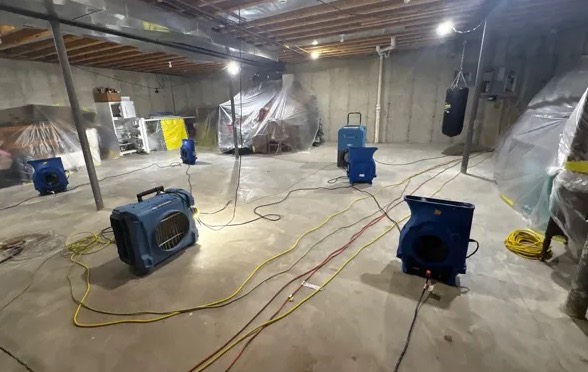
Basement Water Damage Restoration Solutions in Cedar Hills, Oregon
Sewage backups are one of the most common problems in any basement or lower level, including in Cedar Hills. Water coming up through a floor drain or basement toilet carries bacteria and needs a different cleanup than clean water.
One burst pipe or heavy storm in Cedar Hills can flood a basement. Local water removal pros serve Cedar Hills and nearby Beaverton, Cedar Mill and West Slope, with help available around the clock.
Basement Water Damage Restoration Solutions Available in Cedar Hills
Basement Floor Water Removal
A slab can look dry on top while still holding water. Moisture readings show when it is ready for new flooring.
Emergency Basement Flood Cleanup
A flooded basement can damage furnaces, water heaters and stored items quickly. Fast pumping limits how much is lost.
Basement Dehumidification
Large dehumidifiers pull moisture from the basement air so walls, framing and the slab can release their water.
Basement Water Extraction
Extraction starts at the lowest point, often near the floor drain or sump, and works outward until no pooled water remains.
Basement Sewer Backup Cleanup
Porous materials touched by sewage, such as carpet, pad and lower drywall, are removed. Concrete and framing are cleaned and disinfected.
How to Know You Need Basement Water Damage Restoration in Cedar Hills
Efflorescence on Concrete Walls
White, chalky deposits on concrete walls mean water is moving through the concrete and leaving minerals behind.
Wet or Stained Basement Walls
Dark, wet patches or tide lines on basement walls show where water seeped in or wicked up.
High Humidity Levels Below-Grade
A basement that stays damp and clammy even on dry days has a moisture source that needs attention.
Damp or Musty Odors
A damp, earthy or musty smell in the basement often means hidden moisture in walls, carpet or the slab.
How Basement Water Damage Restoration Works in Cedar Hills
Step 1: Floodwater Pump-Out
Submersible pumps remove deep water, and electrical hazards are checked before anyone walks in it.
Step 2: Deep Moisture Extraction
Extractors pull water from carpet, pad and the concrete floor after the deep water is gone.
Step 3: Air Circulation and Drying
Air movers keep dry air moving across walls and floors throughout the basement.
Step 4: Dehumidification and Verification
Dehumidifiers run until humidity and material readings confirm the basement is dry.
Why Basement Water Damage Occurs in Cedar Hills
Window Well Flooding
Window wells without drains or covers fill with rain and leak through basement windows.
HVAC Condensate Line Overflow
A clogged furnace or air conditioner condensate line can overflow onto the floor of a basement or lower-level utility room.
Clogged Floor Drains
A floor drain blocked by debris cannot carry off water from a leak or overflow, so it spreads across the basement floor.
Water Heater or Appliance Leaks
Water heaters, washers and utility sinks in the basement can leak or fail without warning.
Both Residential & Commercial Basement Water Damage Restoration in Cedar Hills
Residential Basement Water Damage Restoration
In homes, a flooded basement often means damaged carpet, drywall, a furnace or water heater and stored belongings. Water is pumped out, contents are moved and the space is dried.
Commercial Basement Water Damage Restoration
In commercial buildings, basements hold mechanical rooms, storage and sometimes offices. Water is removed and equipment areas are dried so systems can be checked and restarted.
Basement Water Damage Restoration vs. DIY: When to Call the Pros
If a small leak left a puddle on bare concrete, a wet vac and a dehumidifier may be enough. Call local water removal pros if water reached drywall, carpet or framing, or if it came from a sewer drain.
What Influences Basement Water Damage Restoration Cost in Cedar Hills
In Cedar Hills, basement jobs often run longer than upper-floor jobs because concrete dries slowly. Equipment days make up much of the bill.
Dehumidification Needs
Large dehumidifiers may need to run longer in below-grade spaces than in upper floors.
Emergency Service
Night, weekend and storm calls can cost more than a scheduled visit.
Affected Square Footage
Larger basements need more extraction, more drying equipment and more days of drying time.
Does Insurance Cover Basement Water Damage Restoration?
Photos, moisture readings and drying logs from the pros help support an insurance claim for basement water damage in Cedar Hills.
Reasons to Hire Local Pros for Basement Water Damage Restoration in Cedar Hills
Water Type Handling
Clean water, gray water and sewage are each handled with the right protection and removal steps.
Containment Strategies
Plastic sheeting keeps contaminated areas separate from clean parts of the house.
Advanced Moisture Detection
Moisture meters and thermal cameras find water in walls and slabs that looks dry.
24/7 Emergency Basement Water Damage Restoration in Cedar Hills
Every hour of standing water in a basement means more drywall and flooring to replace. Call (503) 224-3149 for basement water damage restoration in Cedar Hills.
Call Now (503) 224-3149Regions Served for Basement Water Damage Restoration Near Cedar Hills
Nearby areas served for basement water damage restoration include Beaverton, Cedar Mill and West Slope, with the same pumping and drying steps used in Cedar Hills.
- Basement Water Damage Restoration in Beaverton
- Basement Water Damage Restoration in Cedar Mill
- Basement Water Damage Restoration in West Slope
- Basement Water Damage Restoration in West Haven-Sylvan
- Basement Water Damage Restoration in Raleigh Hills
- Basement Water Damage Restoration in Oak Hills
- Basement Water Damage Restoration in Rockcreek
- Basement Water Damage Restoration in Aloha
Frequently Asked Questions About Basement Water Damage Restoration
What causes the most common below-grade leaks in homes?
Sump pump failures, foundation cracks, clogged drain tile, sewer backups and burst pipes in the basement ceiling.
What health risks come with delayed basement flood cleanup?
Standing water and wet materials can support bacteria and microbial growth, and sewage carries contaminants that need disinfection.
How is basement sewer backup cleanup different from regular flooding?
Sewage carries bacteria, so it needs protective gear, removal of porous materials and disinfection before drying.
What is the purpose of basement wall drying?
To remove water from drywall, insulation, framing and concrete so the walls can be repaired without trapping moisture.
Can wet basement drywall be saved after water damage?
Sometimes, if the water was clean and removed quickly. Soaked or sewage-contaminated drywall is cut out above the water line.