Cedar Hills, OR · Washington County
Floodwater Removal in Cedar Hills, ORContaminated Floodwater Removal & Flooded Carpet Water Removal
Floodwater Removal in Cedar Hills covers flooded carpet water removal, storm flood water pumping, and contaminated floodwater removal.
Answered 24/7
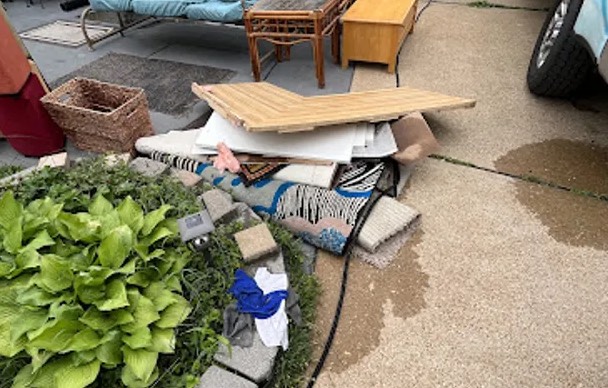
Floodwater Removal for Cedar Hills Homes and Businesses
In Cedar Hills, removing floodwater is the first step after any flood. It stops the water from spreading, protects belongings and lowers the chance of mold inside walls and under floors.
The area's oceanic climate with mild wet winters and dry summers affects how often heavy rain floods homes in Cedar Hills, and how long drying takes afterward. Local flood damage pros pump out storm water and clean up sewage. Homeowners in Beaverton, Cedar Mill and West Slope get the same extraction and drying work.
The Floodwater Removal Process for Cedar Hills
Contaminated Floodwater Removal
Contaminated floodwater leaves behind pollutants on surfaces. The cleanup service includes agitating and removing silt, mud, and other debris from floors and walls.
Flooded Carpet Water Removal
Soggy carpets require immediate attention to prevent permanent damage. Water removal experts perform detailed extraction to remove moisture from the carpet backing and pad.
Storm Flood Water Pumping
Post-storm flooding often requires large-scale water removal. Professionals deploy powerful pumping equipment to evacuate standing water from affected zones.
Sewage Flood Cleanup
Black water flooding requires specialized expertise. After the initial extraction of the contaminated fluid, the focus shifts to detailed cleaning and sanitization of all surfaces.
Flooded Room Drying Services
Simply removing standing water isn't enough. Professional drying services use a calculated balance of airflow and dehumidification to draw moisture out of building materials.
Common Signals for Floodwater Removal in Cedar Hills
Visible Water Lines on Walls
Visible water lines on drywall indicate significant water intrusion. The wet section of drywall usually has to be cut out.
Mold or Mildew
Mold or mildew after a flood means materials stayed wet too long and need cleanup and drying.
High Indoor Humidity Levels
Indoor humidity that stays high after a flood means drying is not finished.
Gurgling Sounds in Drains
Gurgling drains can signal a sewer line problem that may cause backup. Contaminated floodwater needs protective gear and disinfection.
How Floodwater Removal Works in Cedar Hills
Step 1: Standing Water Removal
The first response focuses on removing all visible flood water from the property. Getting the bulk water out first makes every later step faster.
Step 2: Flooded Basement Water Extraction
Submersible pumps and extractors clear flooded basements. Lower levels often require the most intensive floodwater removal effort.
Step 3: Moisture Elimination & Drying
Drying equipment removes moisture from materials and air, and drywall that cannot be saved is removed.
Step 4: Claim-Ready Damage Reporting
You get a damage log for your insurer, which decides what is covered.
Why Floodwater Damage Occurs in Cedar Hills
Faulty Sump Pump Failure
A sump pump that fails in heavy rain leaves the basement open to flooding.
Burst or Leaking Pipes
A burst water pipe can release hundreds of gallons quickly, causing extensive flood damage.
Clogged or Faulty Gutters
Clogged gutters let water pool next to the foundation, where it seeps into basements.
Severe Weather and Storms
Heavy rain can overwhelm drains and cause flash flooding that leaves standing water in homes and businesses.
Both Residential and Commercial Floodwater Removal in Cedar Hills
Residential Floodwater Removal
Emergency flood cleanup becomes urgent when flood damage affects a home. The pros pump out basements and pull soaked carpet to limit further harm.
Commercial Floodwater Removal
Commercial buildings with large-scale flooding need large pumps, extractors and dehumidifiers to clear and dry the space. In retail spaces, the pros remove sewage and contaminated floodwater, then run industrial drying to protect stock and fixtures.
Floodwater Removal vs. DIY Cleanup in Cedar Hills
If safe to do so and the water is clean, you can use a wet-dry vacuum or mops to remove small amounts of standing water. Always wear protective gear like gloves and boots.
What Affects Floodwater Removal Pricing in Cedar Hills
The cost of floodwater removal in Cedar Hills depends on the type of water, how much is standing and how long materials have been wet. Sewage adds to the work.
Emergency Service Timing
A night or weekend call may carry after-hours labor rates for the first extraction.
Duration of Drying Process
Drying can take several days, and longer drying means more equipment days and visits.
Additional Restoration Services
Follow-up work like antimicrobial treatment or cleaning contents adds to the total.
Does Insurance Cover Floodwater Removal?
Flooded house cleanup from a sudden internal leak is commonly covered. Natural disaster flooding from outside usually requires specific flood insurance. Your insurer makes the final determination on reimbursement, so maintain open communication with them.
Why Choose Local Pros in Cedar Hills for Floodwater Removal
Structural Drying Expertise
Knowing how framing and subfloor dry helps save them instead of tearing them out.
Contaminated Water Protocols
For sewage, protective gear and disinfection are used to deal with the health risks.
Industrial-Grade Drying Equipment
Air movers and dehumidifiers are set up to dry the home steadily after the flood.
Round-the-Clock Emergency Floodwater Removal in Cedar Hills
Don't wait with contaminated floodwater in your home. For urgent water extraction service and storm flood water pumping in Cedar Hills, reach the pros at (503) 224-3149.
Call Now (503) 224-3149Floodwater Removal Near Cedar Hills: Communities Served
Flood cleanup needs to start early to prevent mold. Floodwater and wet carpet removal are available in Cedar Hills and nearby Beaverton, Cedar Mill and West Slope.
Common Floodwater Removal FAQs for Cedar Hills
What is included in flood damage restoration?
Besides water removal, it covers drying, cleaning and disinfecting, and often repairs to drywall and flooring.
What steps are taken for water trapped beneath flooring?
Extraction tools draw water from subfloors, though sometimes the flooring has to come up so the subfloor can dry.
What is involved in floodwater removal?
Pumping out standing water, extracting water from carpets, setting up drying equipment and checking humidity until the structure is dry.
What equipment is used for water extraction service?
Submersible pumps for deep water, truck-mounted or portable extractors for carpet, and air movers and dehumidifiers for drying.
Can flooded carpet be saved after water removal?
It depends on the type of water and how long it sat. Carpet soaked by clean water can often be saved if it is extracted and dried quickly.