Cedar Hills, OR · Washington County
Temperature-Controlled Drying in Cedar Hills, ORHumidity Control For Restoration & Drying Equipment Deployment
Temperature-Controlled Drying in Cedar Hills includes moisture mapping, rapid structural drying services and water damage drying logs from local temperature-controlled drying specialists.
Answered 24/7
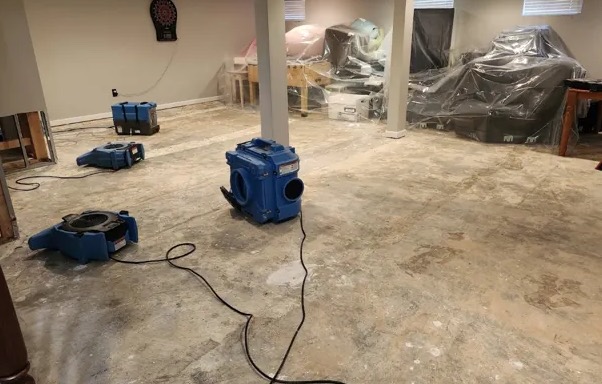
Expert Temperature-Controlled Drying Services in Cedar Hills, Oregon
In Cedar Hills, materials dry at different rates. Local pros map moisture content so each material gets the drying it needs.
In Cedar Hills and nearby Beaverton, Cedar Mill and West Slope, local pros take baseline moisture readings, then run air movers and dehumidifiers and log moisture levels as they drop.
Temperature-Controlled Drying Services in Cedar Hills
Humidity Control for Restoration
Dehumidifiers lower the dew point in the affected area, so materials give up their moisture more easily.
Drying Equipment Deployment
Local temperature-controlled drying specialists set up LGR dehumidifiers, axial fans and cavity drying systems to work together on the wet structure.
Climate-Controlled Drying Systems
The specialists set up systems that control temperature, humidity and airflow together, adjusting them as moisture readings change.
Rapid Structural Drying Services
Rapid drying mitigates risk of long-term weaknesses or rot in wooden structures. The specialists use specialized techniques like injecting dry air into wall cavities.
Moisture Mapping
Moisture mapping uses penetrating and non-penetrating meters to document water migration. This creates a blueprint of wet areas, including hidden moisture behind walls.
Signs You Need Professional Temperature-Controlled Drying in Cedar Hills
Cracking of Plaster or Joints
Plaster or drywall joint tape develops new cracks or fissures. These cracks occur as wet materials swell and then contract during drying.
High Humidity Readings Inside
A hygrometer showing unusually high indoor humidity after water damage means the building is still wet.
Soft Drywall or Sagging Ceiling
Drywall feels spongy to the touch or a ceiling sags downward. This softness means the material is saturated and structurally compromised.
Visible Mold Growth in Corners
Black, green or white specks in damp corners or on baseboards are usually mold, which means moisture has been there a while.
How Temperature-Controlled Drying Works in Cedar Hills
Step 1: Initial Moisture Survey and Readings
Pros take baseline moisture readings across the property to plan the drying.
Step 2: Precision Air Mover Placement
Air movers are placed at set angles and distances to target specific wet materials.
Step 3: Deployment of Drying Systems
Dehumidifiers are sized to the moisture load and the size of the space.
Step 4: Ongoing Monitoring and Adjustment
Equipment is moved and adjusted as materials dry, so drying keeps moving.
Causes of Persistent Dampness Requiring Controlled Drying in Cedar Hills
Inadequate Initial Water Extraction
Water left behind after a leak or flood moves into subfloors and walls, where it is harder to dry.
Foundation Cracks and Seepage
Hydrostatic pressure forces groundwater through cracks in the foundation wall. This seepage creates a constant dampness that challenges standard drying technology.
Sprinkler System Activation
A fire sprinkler discharges, releasing a large volume of water quickly. This event saturates entire areas and requires precise air mover placement and strategy.
Overflowing Sinks or Bathtubs
A simple blockage or forgetfulness leads to an overflow event. Water spreads quickly, soaking cabinetry and flooring, and requires thorough drying equipment deployment.
Residential & Commercial Temperature-Controlled Drying in Cedar Hills
Residential Temperature-Controlled Drying
At home, moisture hides in attics, crawl spaces and behind finished walls. Pros map it before setting up equipment so the whole house dries.
Commercial Temperature-Controlled Drying
In offices, schools and clinics, pros use quieter drying equipment that can run in occupied spaces, and document when drying is complete.
Professional Temperature-Controlled Drying vs. Do-It-Yourself in Cedar Hills
Photograph all affected areas and items for insurance and move undamaged belongings to a dry room. Drying the structure takes industrial equipment that DIY gear cannot replace.
Factors in Temperature-Controlled Drying Pricing for Cedar Hills, OR
In Cedar Hills, cost depends on the size of the wet area and how aggressive the drying must be.
Moisture Mapping Complexity
Checking moisture in layered floors or hidden cavities takes more time and equipment.
Structural Material Types
Porous materials like concrete or dense wood require more aggressive drying strategies and extended monitoring, influencing the project timeline and cost.
Humidity Control Measures
Controlling humidity in tight spaces often takes specialized drying equipment and frequent adjustments.
Does Insurance Cover Temperature-Controlled Drying?
Whether insurance pays for thermal drying for water damage depends on your policy's specific language and the cause of loss. The pros meticulously record moisture levels and drying progress to create a verifiable log for your adjuster.
Selecting Local Specialists for Temperature-Controlled Drying in Cedar Hills
Targeted Thermal Drying
Applying directed heat energy safely accelerates the drying of dense materials, reducing the overall timeline for the restoration project.
Ongoing Moisture Monitoring
Regular checks with moisture meters verify that drying goals are met, helping ensure no residual dampness remains within walls or floors.
IICRC-Standard Drying Methods
Drying follows industry guidelines and is checked with meters, which keeps framing and floors from staying wet.
Emergency Moisture Control in Cedar Hills
Stop water damage from getting worse while materials sit wet. Call (503) 224-3149 24/7 for drying help from the pros in Cedar Hills.
Call Now (503) 224-3149Temperature-Controlled Drying Serving Cedar Hills and Nearby Areas
The pros provide temperature-controlled drying for Cedar Hills and adjacent areas such as Beaverton, Cedar Mill and West Slope.
- Temperature-Controlled Drying in Beaverton
- Temperature-Controlled Drying in Cedar Mill
- Temperature-Controlled Drying in West Slope
- Temperature-Controlled Drying in West Haven-Sylvan
- Temperature-Controlled Drying in Raleigh Hills
- Temperature-Controlled Drying in Oak Hills
- Temperature-Controlled Drying in Rockcreek
- Temperature-Controlled Drying in Aloha
Your Temperature-Controlled Drying Questions Addressed
What should a property owner do while waiting for help with drying?
If safe, remove obvious standing water with a mop or towels, move dry contents away from the wet area, and avoid using household fans which can spread contaminants.
How is drying progress verified during moisture monitoring?
Progress is verified by taking comparative moisture readings with penetrating and non-penetrating meters over time, ensuring levels drop to established dry standards for each material.
How does humidity control aid in restoration?
Drier air pulls water out of wet materials faster, so lowering humidity speeds up drying.
What are water damage drying logs used for?
Drying logs are detailed records of moisture readings, equipment settings, and progress; they provide documentation for the restoration process and are often required for insurance claims.
What are the benefits of rapid structural drying services?
Rapid structural drying minimizes the time materials are wet, reducing the risk of swelling, warping, and secondary damage like mold, which helps preserve property value.