Banks, OR · Washington County
HVAC Leak Water Removal in Banks, ORCoil Leak Water Damage Repair & HVAC Drain Line Flood Cleanup
HVAC Leak Water Removal in Banks handles coil leak water damage repair, HVAC drain line flood cleanup and moisture remediation for HVAC systems.
Answered 24/7
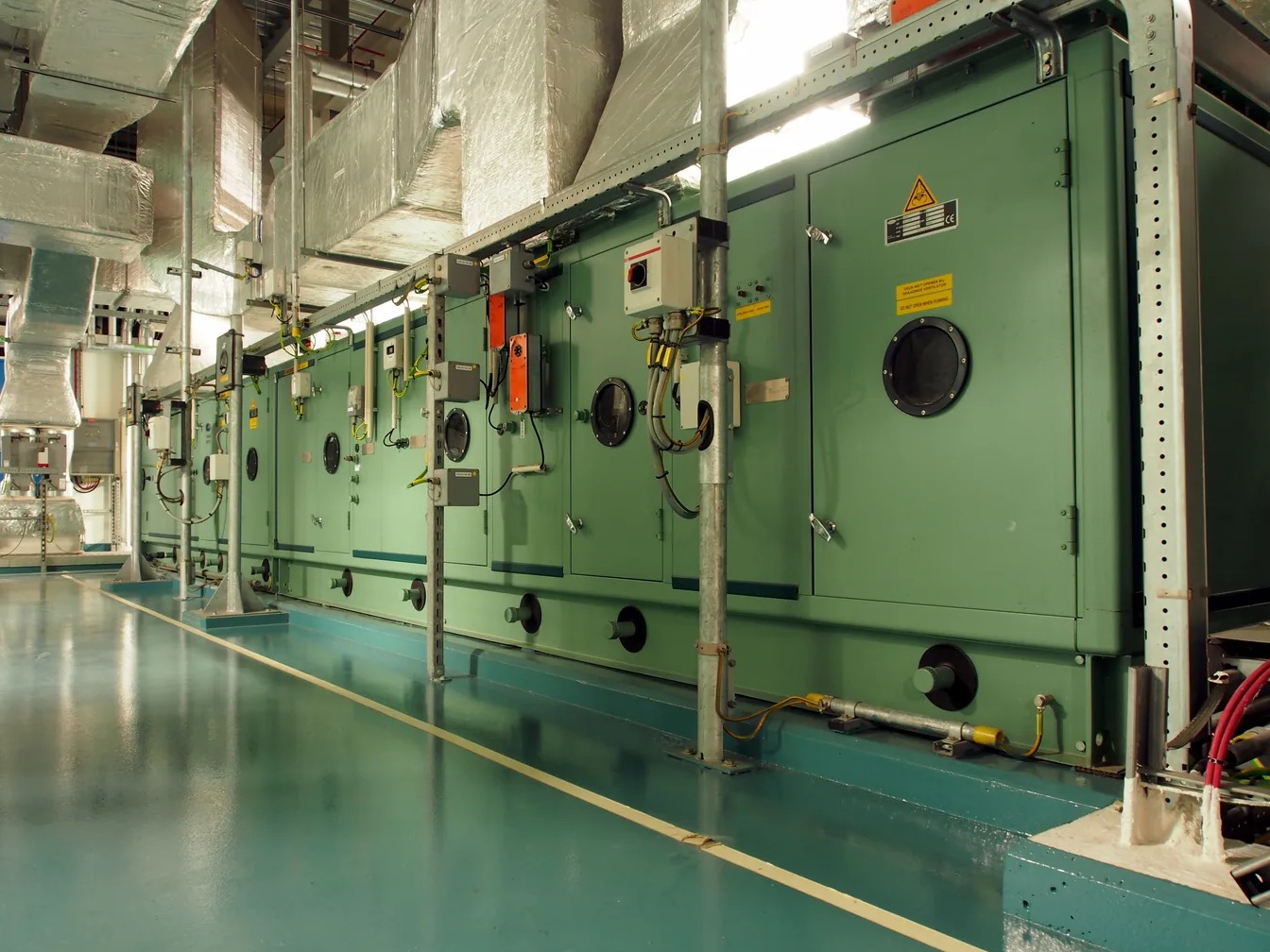
Local HVAC Leak Water Removal for Banks, Oregon
A leaking coil in Banks creates two jobs. An HVAC contractor repairs the coil, and the water that already escaped has to be removed and dried.
When an HVAC leak occurs in Banks, water needs to come out quickly to protect interior finishes and electrical systems. Local water removal pros serve this community and nearby areas like North Plains, Forest Grove and Cornelius, extracting water around the unit and drying wet ductwork before damage spreads.
HVAC Leak Water Removal Services in Banks
Coil Leak Water Damage Repair
A pinhole coil leak causes slow, persistent water damage, warping flooring over time. Repair involves water extraction, drying, and addressing damaged subfloor.
HVAC Drain Line Flood Cleanup
A broken drain line can flood a mechanical room or closet. The water is contained and extracted before it reaches flooring and equipment nearby.
Moisture Remediation for HVAC Systems
Removing standing water is only the first part. Moisture meters show water still held in drywall, insulation and wood, and readings continue until they are dry.
HVAC Cabinet Water Extraction
Standing water in the cabinet rusts the pan, panels and fasteners. Getting it out early stops that, and the cabinet is dried before the system runs again.
Emergency HVAC Leak Cleanup
An actively dripping or flooding HVAC leak is an emergency. Immediate cleanup focuses on water extraction and setting up drying equipment.
When to Consider HVAC Leak Water Removal in Banks
Stained Ceilings or Walls Near Vents
Stains on drywall or ceilings around supply vents often trace back to ducts that are sweating or leaking.
Unusual Sounds From the AC Unit
Gurgling, dripping, or hissing noises from the indoor unit frequently accompany a condensate drainage failure.
Musty Odors Near Air Vents
A musty smell when the system runs can point to wet insulation or mold inside the unit or ducts.
Visible Rust on Metal Components
Rust forming on the evaporator coil cabinet, drain pan, or supports indicates prolonged moisture exposure.
How HVAC Leak Water Removal Works in Banks
Step 1: Emergency Assessment and Water Extraction
Local water removal pros stop the water at the unit and extract the standing water from the cabinet, the closet floor and any wet carpet.
Step 2: System Inspection and Moisture Mapping
Moisture meters and thermal cameras show where water went, including wet insulation and duct sections, and the drying plan is built from that.
Step 3: Targeted Drying and Dehumidification
Air movers and dehumidifiers are placed to dry the walls, ceiling, floor and duct runs that got wet.
Step 4: Cleaning and Final Verification
Affected surfaces and HVAC components are cleaned. Final moisture readings confirm the area is dry.
Common Causes of HVAC Water Damage in Banks
Excessive Ductwork Condensation
Poorly insulated ducts in humid spaces sweat and drip water into walls, ceilings and insulation.
Clogged Condensate Drain Line
Algae, sludge, or debris blocking the primary drain pipe causes water to back up into the HVAC cabinet.
Frozen Evaporator Coil Thawing
A coil freezing due to low refrigerant or airflow can release large volumes of water upon thawing.
Refrigerant Leak at the Coil
A pinhole leak in the evaporator coil itself can allow refrigerant and moisture to escape simultaneously.
HVAC Leak Water Removal for Homes & Businesses in Banks
Residential HVAC Leak Water Removal
In homes, an HVAC leak usually wets the ceiling under an attic unit or the walls and floor around the air handler closet. Wet insulation near the unit is removed so it does not hold water.
Commercial HVAC Leak Water Removal
In stores, offices and warehouses, leaks come from large air handlers, VAV boxes and ducts above the ceiling. The water is removed fast so the space can reopen.
When DIY Fails for HVAC Leak Water Removal in Banks
You can inspect the condensate drain line's outside termination for blockages. Gently pouring distilled vinegar down the drain may clear minor algae. Check and replace a dirty air filter. Do not open the HVAC cabinet or handle electrical components.
Cost Insights for HVAC Leak Water Removal in Banks
In Banks, the cost of HVAC water cleanup depends on how many rooms and materials got wet. Water around coils and cabinets takes careful work in tight spaces.
HVAC System Accessibility
Units in tight closets or attics take more labor to reach, clean around and dry.
Leak Source and Severity
Whether the leak came from a drain line, the coil or the pan changes how much water there is and where it went.
Extent of Water Spread
Water from a leaking AC can travel along ducts and inside walls, which makes the drying area larger.
Does Insurance Cover HVAC Leak Water Removal?
AC unit water damage coverage hinges on the leak source. Sudden failures like a burst drain line may be covered, while gradual neglect often is not. Homeowners should confirm specifics with their insurer.
Benefits of Local Water Damage Pros for HVAC Leak Water Removal in Banks
IICRC-Standard Drying Methods
Drying follows industry standards so the unit area, ducts and walls are dry before the system runs again.
Structured Dehumidification Strategy
Air movers and dehumidifiers are placed to dry the cabinet area and nearby walls without blowing water further.
Component-Safe Water Removal
Work around the unit is done carefully so coils, wiring and control boards are not damaged further.
Emergency HVAC Leak Water Removal Services in Banks
HVAC drain line floods need immediate attention to stop water damage. For prompt HVAC leak cleanup and moisture remediation, contact the experts at (503) 224-3149.
Call Now (503) 224-3149HVAC Leak Water Removal Locations Near Banks
In Banks and nearby North Plains, Forest Grove and Cornelius, the pros handle water from HVAC cabinets, drain lines and wet insulation around the unit.
- HVAC Leak Water Removal in North Plains
- HVAC Leak Water Removal in Forest Grove
- HVAC Leak Water Removal in Cornelius
- HVAC Leak Water Removal in Hillsboro
- HVAC Leak Water Removal in Rockcreek
- HVAC Leak Water Removal in Scappoose
- HVAC Leak Water Removal in Vernonia
- HVAC Leak Water Removal in Aloha
- Emergency Damage Restoration in 97106
- Storm Damage Restoration in 97106
- Water Damage Restoration in 97106
- Water Extraction Service in 97106
- Water Leak Detection in 97106
- Water Removal Service in 97106
- Emergency Damage Restoration in 97125
- Storm Damage Restoration in 97125
HVAC Leak Water Removal FAQ for Banks Homeowners
How is moisture removed from HVAC ductwork?
Air movers and dehumidifiers dry the area around the ducts. Duct sections or lining that stayed wet may need cleaning or replacing by an HVAC contractor.
Why is fast response critical for a flooded HVAC unit?
Water can damage the unit's wiring, rust metal parts and soak into walls and floors, which makes repairs larger and more expensive.
How long does wet ductwork drying typically take?
It depends on how much water there is and how easy it is to reach. Most jobs take two to four days of drying with commercial equipment.
What's the difference between water extraction and drying?
Extraction removes the liquid water. Drying uses dehumidifiers and air movers to pull out the moisture left in insulation, drywall and wood.
Is emergency HVAC leak cleanup necessary?
It is when water is spreading. Removing it early keeps it from reaching walls, ceilings and the rooms nearby, which keeps the damage smaller.