Banks, OR · Washington County
High-Velocity Air Mover Drying in Banks, ORBasement Water Drying & Carpet Drying With Air Movers
High-Velocity Air Mover Drying in Banks includes wall cavity drying, hardwood floor drying and basement water drying.
Answered 24/7
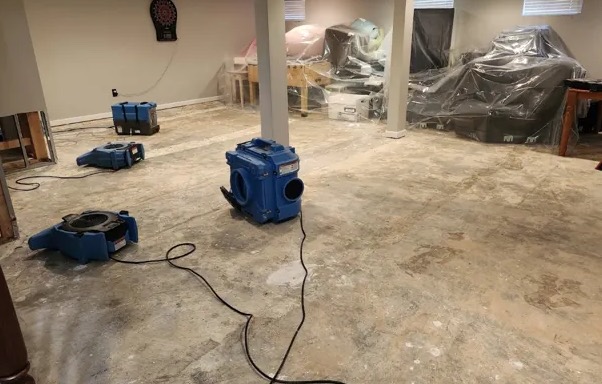
High-Velocity Air Mover Drying Solutions in Banks, Oregon
After any water damage in Banks, drying decides how much material can be saved. The faster water evaporates, the sooner the space can be used again.
Help with high-velocity air mover drying is a vital resource for homes and commercial properties throughout Banks and nearby areas like North Plains, Forest Grove and Cornelius following water incidents. Local water damage pros apply these rapid drying methods to address saturation in carpets, wall cavities, and subfloors, common issues in the area's structures.
Tailored High-Velocity Air Mover Drying for Banks Properties
Basement Water Drying
Basements stay damp after flooding. Air movers dry the concrete floor and foundation walls in Banks homes.
Carpet Drying With Air Movers
Wet carpet and pad hold water long after the surface looks dry. The carpet is lifted and air is pushed underneath to dry both layers.
Hardwood Floor Drying
Local water damage pros in Banks utilize air mover systems to generate consistent, high-volume airflow that pulls moisture out of the wood, helping to restore its original condition and finish.
Post-Extraction Structural Drying
After extraction, wood, drywall and insulation are still wet. Air movers start the drying of those materials.
Equipment Assisted Drying
Air movers are one part of a drying system. Dehumidifiers and moisture readings make sure the materials actually reach their drying goals.
Indicators for High-Velocity Air Mover Drying in Banks, OR
Visible Mold or Mildew
Fuzzy or speckled mold means moisture has been present for days and the area needs drying.
Visible Warping or Buckling Floors
Warped or buckled wood floors or baseboards mean moisture is trapped in the wood or the subfloor beneath.
Cold, Damp Feeling in Basement
A basement that always feels cold and damp may still be holding water in the floor and walls.
Swollen Wooden Doors or Cabinets
Doors or cabinets that stick or swell are often reacting to moisture in the room.
How High-Velocity Air Mover Drying Works in Banks
Step 1: Comprehensive Moisture Detection
Sensors find hidden water in floors, walls and ceilings to guide the drying plan.
Step 2: Airflow Pattern Configuration
Air movers are angled to create airflow patterns that dry each wet surface.
Step 3: Balanced Drying System Operation
Dehumidification is balanced with the airflow so materials dry without being over-dried.
Step 4: Achievement of Dry Equilibrium
Drying is done when wet materials read the same as dry ones nearby.
What Leads to Needing High-Velocity Air Mover Drying in Banks
Improper Grading and Poor Drainage
Ground that slopes toward the foundation sends rain at the walls and keeps them damp.
Human Error and Accidental Spills
Overflowing bathtubs, sink mishaps, or other indoor accidents introduce water that can soak into materials.
Plumbing Leaks and Pipe Bursts
A sudden pipe failure or slow leak from supply lines, drains, or appliances can flood areas quickly.
Foundation Cracks and Seepage
Cracks in a foundation wall can let groundwater seep into the basement over and over.
High-Velocity Air Mover Drying Across Property Types in Banks
Residential High-Velocity Air Mover Drying
In homes, fast drying saves belongings and keeps damage from spreading. Air movers are aimed at attics, crawl spaces and living areas wherever water reached.
Commercial High-Velocity Air Mover Drying
Office buildings and facilities use commercial air mover drying to meet reopening timelines. Air movers can be aimed at spaces behind fixed installations and in complex layouts.
High-Velocity Air Mover Drying vs. DIY Drying Methods
Documenting the damage with photos and notes is a prudent step for your insurance claim before any cleanup begins. Capture images of the water source, affected areas, and damaged belongings. Do not disturb the scene excessively.
Elements of High-Velocity Air Mover Drying Cost in Banks
The cost of drying depends on how wet the materials were, how easily they release water and the drying goals. A larger leak needs more equipment and costs more.
Equipment Quantity and Type
The number and size of air movers needed grows with the size of the wet area.
Material Permeability
Dense materials like concrete or hardwood dry slowly and need more equipment time.
Post-Drying Verification
Final moisture checks to confirm everything is dry are part of the cost.
Does Insurance Cover High-Velocity Air Mover Drying?
Coverage for high-velocity air mover drying depends on the cause of loss and the specific policy. The decision to cover this water damage drying process rests with the insurance adjuster; homeowners should confirm applicability directly.
Benefits of Local Pros for High-Velocity Air Mover Drying
Prevention of Secondary Damage
Fast, full drying stops mold, warped wood and crumbling drywall before they start.
Focused Airflow Management
Air movers are placed so air flows across every wet surface, not just the middle of the room.
Comprehensive Damage Documentation
Logs and photos of moisture levels support your insurance claim for the drying.
24/7 High-Velocity Air Mover Drying Available in Banks
If you need drying in Banks after a burst pipe or flood, call (503) 224-3149. The pros are available 24/7 to start drying and help prevent mold.
Call Now (503) 224-3149High-Velocity Air Mover Drying Availability in Banks and Nearby
Drying for homes and commercial buildings is available in Banks and surrounding communities like North Plains, Forest Grove and Cornelius. Fast drying helps keep floors, walls and framing intact after water damage.
- High-Velocity Air Mover Drying in North Plains
- High-Velocity Air Mover Drying in Forest Grove
- High-Velocity Air Mover Drying in Cornelius
- High-Velocity Air Mover Drying in Hillsboro
- High-Velocity Air Mover Drying in Rockcreek
- High-Velocity Air Mover Drying in Scappoose
- High-Velocity Air Mover Drying in Vernonia
- High-Velocity Air Mover Drying in Aloha
- Emergency Damage Restoration in 97106
- Storm Damage Restoration in 97106
- Water Damage Restoration in 97106
- Water Extraction Service in 97106
- Water Leak Detection in 97106
- Water Removal Service in 97106
- Emergency Damage Restoration in 97125
- Storm Damage Restoration in 97125
High-Velocity Air Mover Drying Information and FAQs
What is involved in wall cavity drying?
Pros use air movers directed at wall surfaces and often create strategic ventilation to dry moisture trapped inside walls.
What is high-velocity air mover drying?
It is drying with powerful fans that push fast-moving air across wet surfaces, so water evaporates faster after water damage.
What does equipment assisted drying include?
It means drying with professional tools like air movers, dehumidifiers and moisture meters instead of waiting for the room to dry naturally.
How are air movers used in different rooms?
Units are placed to move air across all wet surfaces, often several of them working together through doorways.
What areas need drying after a pipe leak?
Water often wicks into wall cavities, under trim and into subfloors, and all of those need to be checked and dried.