Raleigh Hills, OR · Washington County
Behind Wall Water Extraction in Raleigh Hills, ORWall Cavity Water Extraction & Hidden Water Damage Detection
Homeowners in Raleigh Hills get Behind Wall Water Extraction for hidden water damage detection, wet drywall removal and interior wall drying services.
Answered 24/7
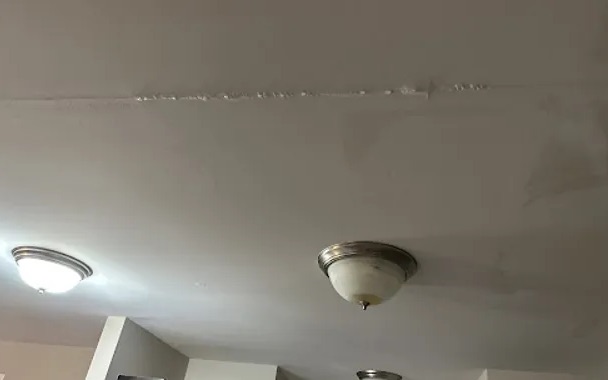
Local Behind Wall Water Extraction Solutions in Raleigh Hills, Oregon
Behind Wall Water Extraction in Raleigh Hills ends when readings show the wall is dry, not when it looks dry. Closing a wall over damp studs leads to odors, stains and repeat repairs.
In Raleigh Hills, behind-wall leaks are often found as a stain near a bathroom or kitchen. Local water extraction pros serve Raleigh Hills, West Slope, Garden Home and West Haven-Sylvan, tracing the source and drying the wall.
Complete Behind Wall Water Extraction Solutions for Raleigh Hills
Wall Cavity Water Extraction
Water trapped at the bottom of a wall cavity is drained through small holes or a removed baseboard, then extracted before drying starts.
Hidden Water Damage Detection
Moisture meters and thermal cameras show wet areas inside a wall without opening it, mapping how far water spread from the leak.
Post-Extraction Wall Sanitization
If the water came from a drain or sewer line, the cavity is cleaned and disinfected before it is closed up.
Wall Leak Source Identification
Leak tracing uses readings, thermal images and the pattern of the stain to find where water enters the wall.
Wet Drywall
A meter shows exactly how high the water wicked up the drywall, so the cut is made only where it is needed.
Do You Need Behind Wall Water Extraction? Common Signs in Raleigh Hills
Musty Odors in Rooms
A musty smell in one room, especially near a wall with plumbing, often points to a hidden leak.
Sudden Spike in Water Bill
A water bill that rises with no change in use can mean a supply line leaking inside a wall.
Sagging or Drooping Drywall
Drywall that sags or droops is holding water and can fail. Keep clear and call for help.
Sounds of Dripping Inside Walls
Dripping or running water sounds inside a wall when no fixture is on usually mean a pipe leak.
How Behind Wall Water Extraction Works in Raleigh Hills
Step 1: Non-Invasive Moisture Detection
Readings through the drywall show the wet area before any holes are made.
Step 2: Strategic Water Extraction
Small access points let water drain and be extracted from the bottom of the cavity.
Step 3: Structural Cavity Drying
Directed airflow dries the studs and plates, with equipment adjusted each day as readings drop.
Step 4: Area Sanitization and Monitoring
Surfaces are cleaned, framing that stayed wet is treated and readings are logged until dry.
Sources of Water Inside Walls in Raleigh Hills
Siding or Stucco Penetration
Cracks in siding or stucco, and gaps around fixtures, let rain into the wall cavity.
Roof Leak Seeping Down Walls
Rain from a roof leak can run down the inside of an exterior wall and soak the bottom of it.
Foundation Cracks and Seepage
Groundwater seeping through foundation cracks can wet the bottom of lower-level walls.
Overflow From Adjacent Rooms
Water from an overflowing tub or burst line in the next room runs under the wall into its cavity.
Both Residential & Commercial Behind Wall Water Extraction in Raleigh Hills
Residential Behind Wall Water Extraction
Homeowners often want to avoid tearing out whole walls. Drying through small holes or behind removed baseboards saves drywall when readings allow it.
Commercial Behind Wall Water Extraction
Commercial buildings with long plumbing runs can have leaks that travel far inside walls. Readings along the wall show the full extent before work begins.
DIY Risks for Behind Wall Water Extraction in Raleigh Hills Homes
If a small drip under a sink only wet the cabinet floor, drying it and fixing the fitting may be enough. Call local water extraction pros if a wall is stained, soft or smells musty, since water is likely inside it.
Understanding Behind Wall Water Extraction Costs in Raleigh Hills
The pros map the wet area before pricing behind wall water extraction in Raleigh Hills, then explain what will be opened, removed and dried.
Leak Source Complexity
Leaks that are hard to trace, such as roof water running down a wall, take more inspection time.
Emergency Service Timing
Night, weekend and holiday calls can cost more than a scheduled weekday visit.
Access Method Needed
Drying through small holes costs less than cutting out and replacing large sections of drywall.
Does Insurance Cover Behind Wall Water Extraction?
Insurers often ask how long a hidden leak ran. Notes on the source and the condition of the framing help answer that question.
Reasons to Hire Local Pros for Behind Wall Water Extraction in Raleigh Hills
24/7 Emergency Response
Help is available day or night when a pipe bursts inside a wall.
Advanced Moisture Detection
Thermal cameras and meters show water behind walls before anything is opened.
Industry Drying Standards
Drying follows industry water damage standards, with readings taken at every visit.
Urgent Behind Wall Water Extraction Available 24/7 in Raleigh Hills
The longer water sits inside a wall, the more framing and drywall rot. Call (503) 224-3149 for behind wall water extraction in Raleigh Hills as soon as you notice signs.
Call Now (503) 224-3149Behind Wall Water Extraction Available in Raleigh Hills and Nearby Communities
Nearby areas served for behind wall water extraction include West Slope, Garden Home and West Haven-Sylvan, with the same detection and drying steps used in Raleigh Hills.
- Behind Wall Water Extraction in West Slope
- Behind Wall Water Extraction in Garden Home
- Behind Wall Water Extraction in West Haven-Sylvan
- Behind Wall Water Extraction in Metzger
- Behind Wall Water Extraction in Beaverton
- Behind Wall Water Extraction in Cedar Hills
- Behind Wall Water Extraction in Cedar Mill
- Behind Wall Water Extraction in Oak Hills
Common Behind Wall Water Extraction Questions Answered
When is wet drywall and insulation removal required?
When drywall is soft, crumbling or wet with dirty water, or when insulation is soaked. Lightly damp drywall can sometimes be dried.
What tools are used for wall cavity water extraction?
Moisture meters, thermal cameras, wet vacs, air movers that push air into the wall and dehumidifiers.
What follows after behind wall water removal?
Once readings are normal, insulation is replaced, drywall is patched and the wall is finished and painted.
How long does interior wall drying take?
Often several days, depending on how long the wall was wet and whether insulation was removed.
What is a moisture barrier after water extraction?
A plastic vapor barrier in some exterior walls. If it was damaged or trapped water, it is replaced after the cavity is dry.