Cedar Mill, OR · Washington County
Behind Wall Water Extraction in Cedar Mill, ORWet Drywall & Post-Extraction Wall Sanitization
Homeowners in Cedar Mill get Behind Wall Water Extraction for hidden water damage detection, wet drywall removal and interior wall drying services.
Answered 24/7
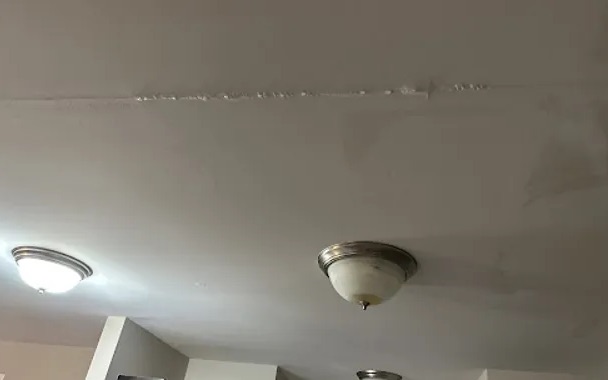
Expert Behind Wall Water Extraction Services for Cedar Mill Homes
Behind Wall Water Extraction in Cedar Mill ends when readings show the wall is dry, not when it looks dry. Closing a wall over damp studs leads to odors, stains and repeat repairs.
Homes in Cedar Mill and nearby Cedar Hills, Oak Hills and West Haven-Sylvan have plumbing, wiring and insulation inside their walls, all of which can hide a leak. The pros find the water, open the wall where needed and dry the cavity.
The Behind Wall Water Extraction Process in Cedar Mill, OR
Wet Drywall
Drywall that is soft, crumbling or soaked above the floor is cut out above the wet line so the cavity behind it can dry.
Post-Extraction Wall Sanitization
If the water came from a drain or sewer line, the cavity is cleaned and disinfected before it is closed up.
Hidden Water Damage Detection
Moisture meters and thermal cameras show wet areas inside a wall without opening it, mapping how far water spread from the leak.
Wall Leak Source Identification
Leak tracing uses readings, thermal images and the pattern of the stain to find where water enters the wall.
Wall Cavity Water Extraction
Extracting standing water from the bottom plate area keeps it from wicking into the floor and the next room.
How to Tell If You Need Behind Wall Water Extraction in Cedar Mill
Increased Humidity in Home
A home that feels more humid than usual can have wet materials inside the walls.
Unexplained Water Stains
A stain on a wall with no obvious source usually means water is coming from inside the wall or above it.
Condensation or Efflorescence
White, powdery deposits on masonry walls mean water is moving through them.
Sounds of Dripping Inside Walls
Dripping or running water sounds inside a wall when no fixture is on usually mean a pipe leak.
How Behind Wall Water Extraction Works in Cedar Mill
Step 1: Non-Invasive Moisture Detection
Readings through the drywall show the wet area before any holes are made.
Step 2: Strategic Water Extraction
Small access points let water drain and be extracted from the bottom of the cavity.
Step 3: Structural Cavity Drying
Directed airflow dries the studs and plates, with equipment adjusted each day as readings drop.
Step 4: Area Sanitization and Monitoring
Surfaces are cleaned, framing that stayed wet is treated and readings are logged until dry.
Why You Might Need Behind Wall Water Extraction in Cedar Mill
Roof Leak Seeping Down Walls
Rain from a roof leak can run down the inside of an exterior wall and soak the bottom of it.
Appliance Supply Line Leaks
Supply lines for refrigerators, washers and dishwashers can leak into the wall behind them.
Leaking Plumbing Inside Walls
Supply lines, drains and fittings inside walls can drip for months before the damage shows.
Overflow From Adjacent Rooms
Water from an overflowing tub or burst line in the next room runs under the wall into its cavity.
Behind Wall Water Extraction for Homes and Businesses in Cedar Mill
Residential Behind Wall Water Extraction
Homeowners often want to avoid tearing out whole walls. Drying through small holes or behind removed baseboards saves drywall when readings allow it.
Commercial Behind Wall Water Extraction
Commercial buildings with long plumbing runs can have leaks that travel far inside walls. Readings along the wall show the full extent before work begins.
DIY Risks for Behind Wall Water Extraction in Cedar Mill Homes
A fan blowing on the outside of a wall will not dry the cavity behind it. Professional drying pushes air into the wall and uses readings to confirm the studs are dry.
Behind Wall Water Extraction Cost in Cedar Mill, OR
The pros map the wet area before pricing behind wall water extraction in Cedar Mill, then explain what will be opened, removed and dried.
Extent of Saturation
Drywall and framing that soaked for weeks need more drying time or replacement than a fresh leak.
Emergency Service Timing
Night, weekend and holiday calls can cost more than a scheduled weekday visit.
Leak Source Complexity
Leaks that are hard to trace, such as roof water running down a wall, take more inspection time.
Does Insurance Cover Behind Wall Water Extraction?
Many policies pay to open the wall and repair the water damage, but not to replace the worn pipe that caused it. Ask your adjuster how your policy handles this.
Why Choose Local Pros for Behind Wall Water Extraction in Cedar Mill
Advanced Moisture Detection
Thermal cameras and meters show water behind walls before anything is opened.
Damage Assessment
The whole wall and the rooms beside it are checked, so hidden damage is not missed.
Detailed Claim Documentation
Photos, readings and drying logs are kept to support your insurance claim.
24/7 Emergency Behind Wall Water Extraction in Cedar Mill
If water is coming from outlets or switches, shut off that circuit at the panel and stay away. Then call (503) 224-3149 for help in Cedar Mill.
Call Now (503) 224-3149Behind Wall Water Extraction Services Throughout Washington County
Nearby areas served for behind wall water extraction include Cedar Hills, Oak Hills and West Haven-Sylvan, with the same detection and drying steps used in Cedar Mill.
- Behind Wall Water Extraction in Cedar Hills
- Behind Wall Water Extraction in Oak Hills
- Behind Wall Water Extraction in West Haven-Sylvan
- Behind Wall Water Extraction in Beaverton
- Behind Wall Water Extraction in Bethany
- Behind Wall Water Extraction in Raleigh Hills
- Behind Wall Water Extraction in West Slope
- Behind Wall Water Extraction in Rockcreek
FAQ: Behind Wall Water Extraction in Cedar Mill, OR
What are signs of water inside walls?
Stains, bubbling paint, soft drywall, musty smells, dripping sounds and a rising water bill.
How do pros find hidden water damage in walls?
With moisture meters and thermal cameras, which show wet areas behind drywall before anything is opened.
Is wet wall removal covered by homeowners insurance?
Often, if the leak was sudden. Slow leaks and the repair of the leaking pipe itself may not be covered.
What is behind wall water extraction?
Finding water inside a wall cavity, removing it through small openings or removed drywall, and drying the framing and insulation until readings are normal.
What tools are used for wall cavity water extraction?
Moisture meters, thermal cameras, wet vacs, air movers that push air into the wall and dehumidifiers.