Longview, WA · Cowlitz County
Basement Water Removal in Longview, WABasement Moisture Inspection & Basement Water Pump Out
Homeowners in Longview get Basement Water Removal for basement floor water damage, basement water pump out and basement moisture inspection.
Answered 24/7
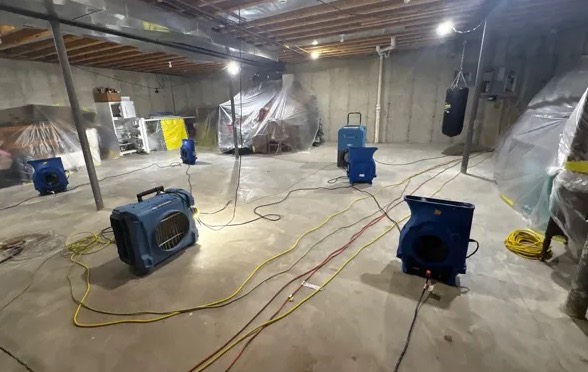
Expert Basement Water Removal in Longview, Kelso, Rainier and Kalama
In Longview, a finished basement or lower level takes more work after a flood. Carpet, pad, laminate, drywall and insulation all trap water against the concrete and framing.
In Longview, when a basement or below-grade room takes on water, it usually follows heavy rain, a sewer backup or a burst pipe. Local basement drying experts serve Longview, Kelso, Rainier and Kalama, pumping water out and drying the space.
Basement Water Removal Services in Longview
Basement Moisture Inspection
Moisture meters and thermal cameras check walls, floors and the slab for water that is not visible, including behind finished walls.
Basement Water Pump Out
A pump-out removes standing water from the basement with submersible pumps, discharging it outside and away from the foundation.
Sump Pump Failure Water Cleanup
A backup pump or battery system is worth discussing with a plumber after the cleanup, since sump failures often repeat in storms.
Basement Drying Services
After pumping, air movers and dehumidifiers dry the walls, framing and slab. Readings are taken daily until every surface is back to normal.
Basement Floor Water Damage
Concrete floors are squeegeed, extracted and dried with airflow and dehumidifiers until moisture readings drop.
Indicators You Need Professional Water Removal
Rusted Appliances or Furniture
Rust on appliance bases, furniture legs or metal shelving points to standing water or long-term dampness.
Gurgling Sounds From Drains
Gurgling floor drains or slow drains can be an early sign of a sewer line problem.
Mold or Mildew
Dark spots on drywall, framing or stored items mean the area has stayed wet for days.
Sump Pump Failure or Overflow
A sump pit that is full, overflowing or has a pump that will not start means water is about to spread.
How Basement Water Removal Works in Longview
Step 1: Source Control and Water Pump Out
The leak is shut off and standing water is pumped out, starting at the lowest point.
Step 2: Water Extraction
Extractors pull water from carpet, pad and concrete, and wet vacs clear corners and stairs.
Step 3: Dehumidification and Drying
Large dehumidifiers and air movers dry walls, framing and slab over several days.
Step 4: Inspection and Clearance for Repair
Final readings confirm the basement is dry and ready for drywall and flooring repairs.
What Causes Water Damage in Basements
Heavy Rainfall and Storm Flooding
Heavy rain saturates the soil and pushes water through walls, cracks and the floor joint.
Improper Landscape Grading
Soil that slopes toward the house directs rainwater straight to the basement walls.
High Water Table and Hydrostatic Pressure
A high water table presses groundwater against the slab and walls, forcing it inside.
Clogged or Damaged Gutters
Clogged gutters and short downspouts dump roof water right next to the foundation.
Professional Basement Water Removal for All Properties
Residential Basement Water Removal
In homes, a wet basement often means damaged carpet, drywall and stored belongings, plus a furnace or water heater sitting in water. Water is pumped out and the space dried.
Commercial Basement Water Removal
In commercial buildings, basements often house mechanical rooms and storage. Water is removed quickly so systems can be checked and restarted safely.
Professional Basement Water Removal Versus Do-It-Yourself
Checking appliance hoses and extending downspouts away from the house are good DIY steps before storm season. Once the basement floods, call (503) 224-3149 for help.
Factors Affecting Basement Water Removal Cost
Waterproofing and drainage work are separate costs. In Longview, they may be needed to stop the next flood.
Contamination Level
Sewage or dirty water needs protective gear, removal and disinfection, which costs more.
Additional Services
Antimicrobial treatment, contents cleaning and repairs after drying add to the cost.
Drying Time Required
Basements dry slowly, and each extra day of equipment adds to the total.
Does Insurance Cover Basement Water Removal?
Photograph the water level, damaged belongings and appliances before cleanup, and keep receipts for emergency pumping and drying equipment for your adjuster.
The Value of Professional Basement Water Removal
Focus on Drying Outcomes
Drying continues until readings are normal, not just until surfaces look dry.
Detailed Damage Documentation
Photos, readings and drying logs are kept to support your insurance claim.
Industry Drying Standards
Water removal and drying follow industry water damage standards, with readings at every visit.
Emergency Basement Flood Response in Longview
Standing water in a basement soaks walls and floors by the hour. Call (503) 224-3149 for basement water removal in Longview at any time, day or night.
Call Now (503) 224-3149Communities Served for Basement Water Removal
Other places served are listed below, each with its own page.
- Basement Water Removal in Kelso
- Basement Water Removal in Rainier
- Basement Water Removal in Kalama
- Basement Water Removal in Clatskanie
- Basement Water Removal in Woodland
- Basement Water Removal in Vernonia
- Basement Water Removal in La Center
- Basement Water Removal in Scappoose
- Emergency Damage Restoration in 98632
- Storm Damage Restoration in 98632
- Water Damage Restoration in 98632
- Water Extraction Service in 98632
- Water Leak Detection in 98632
- Water Removal Service in 98632
Frequently Asked Basement Water Removal Questions
Why is basement dehumidification important after pumping?
Walls and concrete keep releasing moisture for days. Dehumidifiers remove it so the basement does not stay damp.
Does basement flood cleanup include mold prevention?
Fast drying is the main prevention. Wood and concrete that stayed wet can be treated with an antimicrobial once dry.
How does a basement moisture inspection work?
Moisture meters and thermal cameras check walls, floors and the slab, including behind finished walls and under flooring.
What causes basement floor water damage?
Storm seepage, burst pipes, appliance leaks, foundation cracks and sewer backups through floor drains are the usual sources.
Can I dry my basement myself with fans?
Fans help with surface water, but walls and concrete need dehumidifiers and readings to dry fully.