Kalama, WA · Cowlitz County
Basement Water Removal in Kalama, WABasement Moisture Inspection & Basement Wall Drying
Basement Water Removal in Kalama runs from basement water pump out and basement drying services to basement dehumidification.
Answered 24/7
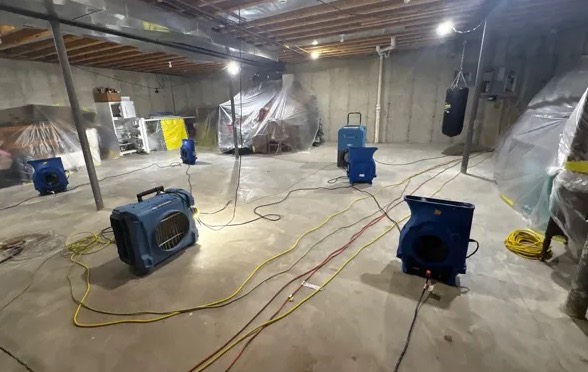
Local Basement Water Removal Services for Kalama
In Kalama, a burst pipe or heavy rain can let water rise fast in a basement. The water usually spreads from the low point across the whole floor and into finished rooms.
In Kalama, when a basement or below-grade room takes on water, it usually follows heavy rain, a sewer backup or a burst pipe. Local basement water removal pros serve Kalama, Rainier, Woodland and Kelso, pumping water out and drying the space.
Basement Water Removal Services in Kalama
Basement Moisture Inspection
An inspection shows how high water wicked up the walls and how far it spread under flooring, which sets the drying plan.
Basement Wall Drying
Opening the bottom of finished walls lets air reach the studs and sill plate, which otherwise stay wet behind the drywall.
Emergency Basement Flooding
A flooded basement threatens the furnace, water heater and anything stored on the floor. Fast pumping protects what can still be saved.
Basement Floor Water Damage
Water on a basement floor soaks into carpet pad, laminate seams and the concrete itself. Floor coverings are lifted where needed so the slab can dry.
Basement Drying Services
Drying plans for basements account for cool air and thick concrete, which hold moisture longer than upper floors.
Common Symptoms Requiring Basement Water Removal
Water Stains on Walls or Ceiling
Stains on lower walls or the ceiling below a bathroom or kitchen point to a leak.
Rusted Appliances or Furniture
Rust on appliance bases, furniture legs or metal shelving points to standing water or long-term dampness.
Wet or Damp Basement Walls
Basement walls that look dark, feel damp or show tide lines are taking on or holding water.
Soggy or Wet Carpeting
Carpet that feels damp or smells sour is holding water in the pad against the concrete.
How Basement Water Removal Works in Kalama
Step 1: Source Control and Water Pump Out
The leak is shut off and standing water is pumped out, starting at the lowest point.
Step 2: Water Extraction
Extractors pull water from carpet, pad and concrete, and wet vacs clear corners and stairs.
Step 3: Dehumidification and Drying
Large dehumidifiers and air movers dry walls, framing and slab over several days.
Step 4: Inspection and Clearance for Repair
Final readings confirm the basement is dry and ready for drywall and flooring repairs.
Common Causes of Basement Flooding in Kalama
High Water Table and Hydrostatic Pressure
A high water table presses groundwater against the slab and walls, forcing it inside.
Window Well Leaks and Drainage
Window wells without drains or covers fill with rain and leak through the windows.
Sump Pump Malfunction or Power Loss
A sump pump that fails mechanically or loses power during a storm lets groundwater rise.
Foundation Cracks and Seepage
Cracks in foundation walls and the slab let groundwater seep in during wet weather.
Residential and Commercial Basement Water Removal in Kalama
Residential Basement Water Removal
Finished basements used as bedrooms or family rooms need careful moisture checks behind walls and under flooring, since that is where water hides.
Commercial Basement Water Removal
Businesses with below-grade storage need wet inventory moved out and documented. Drying is planned around daily operations wherever possible.
The Risks of DIY Basement Water Removal
Do not step into basement water if cords, outlets or appliances are in it. Shut off power at the panel only if you can reach it from a dry spot, then call (503) 224-3149.
Basement Water Removal Cost in Kalama, WA
Sewage cleanup, finished walls, after-hours calls and damaged appliances all add to the total for basement water removal in Kalama.
Additional Services
Antimicrobial treatment, contents cleaning and repairs after drying add to the cost.
Water Depth and Volume
Deeper water takes more pumping time and usually means more materials got wet.
Basement Square Footage
Larger basements need more extraction, more drying equipment and more days of drying.
Does Insurance Cover Basement Water Removal?
Photos, moisture readings and drying logs from local basement water removal pros help support an insurance claim for basement water damage in Kalama.
Advantages of Local Basement Water Removal Experts
Methodical Water Removal Process
Water is removed in a set order: pump-out, extraction, removal of soaked materials, then drying.
Contamination Safety Protocols
Sewage and dirty water are handled with protective gear, containment and disinfection.
Advanced Drying Equipment
Pumps, extractors and large dehumidifiers remove water much faster than household tools.
24/7 Emergency Basement Water Removal in Kalama
If water is near outlets, the furnace or the electrical panel, stay out of it. Call (503) 224-3149 for help in Kalama and wait for power to be made safe.
Call Now (503) 224-3149Communities Served for Basement Water Removal
Basement water removal also covers homes and buildings in Rainier, Woodland and Kelso, close to Kalama, day or night.
- Basement Water Removal in Rainier
- Basement Water Removal in Woodland
- Basement Water Removal in Kelso
- Basement Water Removal in Longview
- Basement Water Removal in La Center
- Basement Water Removal in Ridgefield
- Basement Water Removal in Scappoose
- Basement Water Removal in Clatskanie
- Emergency Damage Restoration in 98625
- Storm Damage Restoration in 98625
- Water Damage Restoration in 98625
- Water Extraction Service in 98625
- Water Leak Detection in 98625
- Water Removal Service in 98625
Basement Water Removal in Kalama: Your Questions
Why is basement dehumidification important after pumping?
Walls and concrete keep releasing moisture for days. Dehumidifiers remove it so the basement does not stay damp.
Can I dry my basement myself with fans?
Fans help with surface water, but walls and concrete need dehumidifiers and readings to dry fully.
Does basement flood cleanup include mold prevention?
Fast drying is the main prevention. Wood and concrete that stayed wet can be treated with an antimicrobial once dry.
Why is fast water removal so important for basements?
Basements dry slowly, so every hour of standing water adds drying days and more materials to replace.
What equipment is used for basement water extraction?
Submersible pumps, extractors, wet vacs, air movers, large dehumidifiers and moisture meters to confirm drying.