Portland, OR · Multnomah County
Whole-Building Fire & Smoke Odor Removal in Portland, ORHVAC Duct Smoke Cleaning & Whole-House Air Scrubbing
Whole-Building Fire & Smoke Odor Removal in Portland pairs whole-house air scrubbing, HVAC duct smoke cleaning, and fire damaged material removal.
Answered 24/7
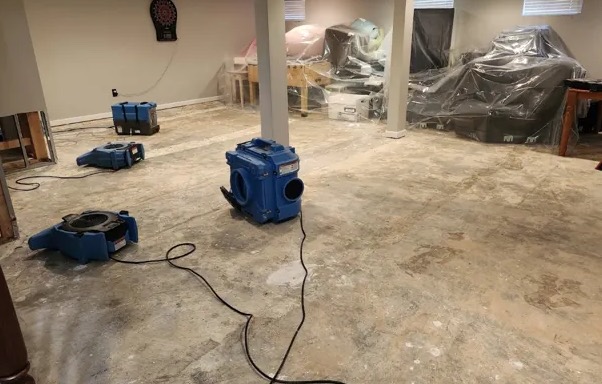
Complete Whole-Building Fire & Smoke Odor Removal for Portland Homes & Businesses
After a fire, smoke odor soaks into drywall, wood, fabric, and the air itself. Whole-building deodorization specialists use fogging and ozone to break down odor at its source instead of covering it.
Homes in Portland and nearby areas like Raleigh Hills, West Haven-Sylvan and West Slope share building styles that affect how smoke spreads through attics and walls. Local smoke odor elimination experts fog and ozone-treat the materials found in these homes.
Detailed Whole-Building Fire & Smoke Odor Removal Procedures for Portland
HVAC Duct Smoke Cleaning
After a fire in Portland, the duct system is cleaned with vacuum equipment and agitation tools before it is used again.
Whole-House Air Scrubbing
The experts run scrubbers through the cleanup so soot stirred up by cleaning is caught instead of drifting back onto fabrics.
Surface Sealing for Residual Odor
Pros find surfaces that absorbed smoke and still smell after cleaning, then coat them so odor cannot seep back out.
Ozone Treatment for Smoke Odor
Ozone treats the full air volume of a room. People, pets, and plants stay out until the space is aired out again.
Electrostatic Soot Removal
In Portland, the pros use electrostatic methods on soot-covered surfaces that would smear under a wet sponge.
Signs You Need Professional Fire Odor Removal
Soot Residue on Walls and Ceilings
Black or gray soot on walls and ceilings shows smoke residue that household cleaners tend to smear rather than remove.
Stinging Sensation in Eyes or Throat
Stinging eyes or a scratchy throat indoors can come from smoke particles still in the air after the fire is out.
Smoke Odor in Closed Cabinets
Items inside closed cabinets that smell of smoke show the odor has passed through gaps and seals throughout the house.
Discolored or Stained Fabrics
Yellowed or grayed curtains, upholstery, or clothing have absorbed smoke and usually need special cleaning to lose the odor.
How Whole-Building Fire & Smoke Odor Removal Works in Portland
Step 1: Source Removal and Cleaning
Burned materials are removed first, and electrostatic cleaning lifts soot from the walls and ceilings that remain.
Step 2: HVAC Duct Smoke Cleaning
The ductwork and air handler are cleaned so the HVAC system stops moving smoky air through the building.
Step 3: Ozone Treatment for Smoke Odor
Ozone generators run in the closed, empty building to break down the odor compounds that remain.
Step 4: Final Air Quality Verification
Pros check the building for any remaining smoke odor before it is reoccupied and the job is closed out.
What Makes Fire Odor So Difficult to Remove
Smoke Penetration Into Porous Materials
Smoke odor soaks deep into drywall, wood, and insulation, which then release the smell for months if left untreated.
Secondary Water Damage
Water used to fight the fire can spread soot into new areas and carry odor into floors and wall cavities.
Inadequate Ventilation During Fire
With windows and doors closed during a fire, smoke stays concentrated indoors and soaks deeper into materials.
Contaminated HVAC Ductwork
An HVAC system running during a fire pulls smoky air into the ducts and coats their insides with soot.
Comprehensive Odor Solutions for Any Building
Residential Whole-Building Fire & Smoke Odor Removal
In homes, smoke odor in the HVAC system reaches every room. Pros clean the ducts, use electrostatic soot removal, and treat with ozone while the family is out.
Commercial Whole-Building Fire & Smoke Odor Removal
Commercial buildings have large air volumes to treat. Pros use industrial equipment for air scrubbing, removal of burned material, and sealing across whole floors.
Why Whole-Building Fire & Smoke Odor Removal Requires Local Experts
Replace the furnace filter and wipe the vent covers. Baking soda on carpets before vacuuming can pull out some surface odor, but odor inside the ducts needs professional cleaning.
Understanding Whole-Building Fire & Smoke Odor Removal Cost Factors
Duct cleaning and content cleaning add to the scope and the price when the HVAC system and belongings also hold odor.
Affected Material Types
Porous materials like drywall and upholstery often need special treatment or removal, which adds work.
Content Cleaning Scope
The number and type of belongings to clean, and whether they go off-site, affect time and cost.
HVAC System Contamination
Cleaning ducts and HVAC parts adds equipment time and access work to the job.
Does Insurance Cover Whole-Building Fire & Smoke Odor Removal?
Property owners in Portland should ask their insurer whether odor treatment, including ozone, is covered under their homeowner or commercial policy.
Why Choose Local Experts for Whole-Building Fire & Smoke Odor Removal
Residual Odor Prevention
Sealing porous surfaces locks in trace odor that cleaning misses, so it does not return after repairs.
HVAC System Decontamination
Ducts are cleaned so the HVAC system does not keep pushing smoke odor through the building after cleanup.
Thorough Soot Removal
Electrostatic cleaning removes fine soot from surfaces, which has to happen before deodorizing can work.
Urgent Whole-Building Fire & Smoke Odor Removal When You Need It Most
Early containment limits the spread of soot and odor through the building. Call (503) 224-3149 24/7 if your property needs help after a fire.
Call Now (503) 224-3149Nearby Areas for Whole-Building Fire & Smoke Odor Removal in Portland
Smoke odor removal serves homes and businesses in Portland and the surrounding region, including Raleigh Hills, West Haven-Sylvan and West Slope.
Understanding Whole-Building Fire & Smoke Odor Removal: Frequently Asked Questions
Can fire smells come back after treatment?
They can if treatment is incomplete. Cleaning the ducts and sealing porous surfaces keeps odor from coming back after the work.
When is surface sealing for residual odor used?
Sealers go on porous surfaces like concrete or framing as a final step, holding in any remaining odor molecules before rebuilding.
What materials typically require fire damaged material removal?
Charred wood, melted plastics, contaminated insulation, and anything that cannot be cleaned or is unsafe are removed and disposed of.
What is the first step in smoke damage cleanup?
Pros assess the damage, then remove burned debris and soot-covered materials so deep cleaning can begin.
How does thermal fogging deodorization work?
A heated deodorant is turned into a fine fog that travels into porous materials and breaks down odor molecules where cleaning cannot reach.