Longview, WA · Cowlitz County
Water Damage Assessment in Longview, WAMold Growth Risk Assessment & Water Leak Source Detection
Water Damage Assessment in Longview involves water leak source detection, moisture mapping, and structural damage inspection.
Answered 24/7
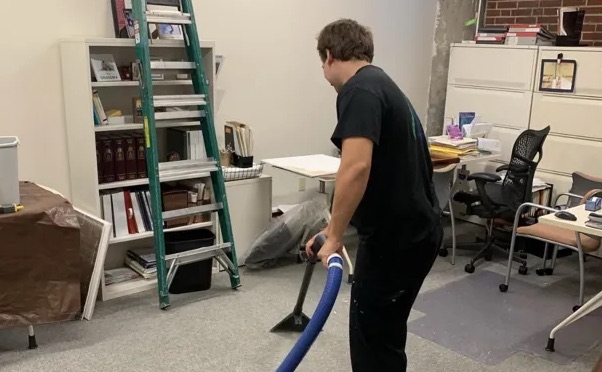
Professional Water Damage Assessment in Longview, WA
In Longview, an inspection after a leak or flood shows the risk to building materials and belongings, and what restoration is needed.
In Longview and nearby Kelso, Rainier and Kalama, local damage assessment specialists find leaks, map moisture, inspect the structure and evaluate contents to plan the restoration work.
Thorough Water Damage Assessment for Longview Homes and Businesses
Mold Growth Risk Assessment
Preventing mold is easier than remediating it. Local damage assessment specialists use moisture data to predict risk areas and recommend immediate actions during drying.
Water Leak Source Detection
A systematic search for leaks in plumbing, roofs, and foundations is part of the assessment. The specialists document findings with notes and photos.
Hidden Water Damage Inspection
Water often spreads to unseen areas in Longview. The specialists conduct a hidden water damage inspection using advanced detection tools.
Moisture Mapping
Accurate moisture mapping reveals invisible damage. The specialists scan walls and floors with meters to find trapped moisture in construction materials.
Structural Damage Inspection
Long-term moisture deteriorates wood and metal fasteners. The specialists examine joists and studs for hidden rot or corrosion during the assessment.
Indicators of Hidden Water Damage in Longview
Peeling Paint or Wallpaper
Blisters or peeling finishes on walls often mean trapped moisture is compromising the adhesive and drywall behind the surface.
Warped or Buckling Flooring
Hardwood floors that cup or laminate that buckles point to moisture underneath and possible structural damage.
Spongy or Soft Drywall
Walls that feel soft to the touch indicate significant water saturation, a key finding in any home water damage evaluation.
High Indoor Humidity Levels
Constantly foggy windows and a clammy feel in the air suggest elevated moisture that could lead to structural issues.
How Water Damage Assessment Works in Longview
Step 1: Emergency Contact and Leak Containment
The specialists respond to your call to first stop active water flow. This initial leak detection services step prevents further flooding and stabilizes the situation for a detailed inspection.
Step 2: Thorough Moisture Mapping and Inspection
Pros use moisture meters and thermal cameras to map all affected areas, including inside walls and under floors.
Step 3: Damage Classification and Scope Outline
The specialists determine the water category and class, assessing contamination levels. They then create a restoration scope and estimate outline detailing the necessary repairs and drying protocol.
Step 4: Detailed Reporting and Plan Presentation
You receive a complete water damage report with photos, moisture readings, and findings. The specialists review the drying equipment plan and next steps for restoring your property.
What Leads to Water Damage in Longview Homes
Roof Leaks and Compromised Flashing
Damaged shingles, cracked flashing, or clogged gutters allow water to seep into attics and walls during rainstorms.
HVAC System Condensation Issues
Clogged drain lines or malfunctioning condensate pumps in air conditioners can cause water to back up and damage ceilings and walls.
Sprinkler System or Irrigation Leaks
Broken sprinkler heads or underground line leaks can saturate soil next to a foundation, promoting water intrusion and mold.
Plumbing Leaks and Burst Pipes
Failed pipe joints, corrosion or freezing can cause sudden floods or slow hidden leaks.
Longview Water Damage Assessment for Houses, Apartments, and Offices
Residential Water Damage Assessment
In condos and houses, the assessment checks damp areas like crawl spaces for mold risk, which shapes the drying plan.
Commercial Water Damage Assessment
For restaurants and hotels, the specialists check kitchens, laundry areas and guest rooms so health concerns are part of the cleanup plan.
The Risks of Skipping Pro Water Damage Assessment in Longview
After a minor leak, watch the area for new stains or mold over the next few days. A professional inspection can find damage you cannot see.
Factors Influencing Water Damage Assessment Cost in Longview
In Longview, price depends on how much structural inspection is needed and how detailed the report must be.
Water Category and Class
Determining if water is clean, gray, or black, along with its evaporation rate, adds complexity to the evaluation.
Inspection Depth Required
Finding hidden water behind walls or under floors takes more tools and time.
Emergency Service Timing
An inspection at night or on a weekend may cost more than one during business hours.
Does Insurance Cover Water Damage Assessment?
Whether insurance covers a water damage inspection is a matter for your specific policy. The specialists provide a thorough report with moisture mapping to support your claim.
The Value of Expert Water Damage Assessment for Longview
Mold Risk Identification
The assessment includes evaluating conditions for mold growth after water damage to inform necessary next steps.
24/7 Emergency Response
Inspections are available at any hour, so the damage is recorded before it spreads.
Structural Integrity Evaluation
The inspection checks building materials for structural damage before any repairs are planned.
24/7 Emergency Water Damage Assessment in Longview
After a leak or flood, an early inspection limits damage. Call (503) 224-3149 24/7 to have the source found and the damage recorded.
Call Now (503) 224-3149Longview and Region Water Damage Assessment Availability
The places below are also served, and each one has its own page.
- Water Damage Assessment in Kelso
- Water Damage Assessment in Rainier
- Water Damage Assessment in Kalama
- Water Damage Assessment in Clatskanie
- Water Damage Assessment in Woodland
- Water Damage Assessment in Vernonia
- Water Damage Assessment in La Center
- Water Damage Assessment in Scappoose
- Emergency Damage Restoration in 98632
- Storm Damage Restoration in 98632
- Water Damage Restoration in 98632
- Water Extraction Service in 98632
- Water Leak Detection in 98632
- Water Removal Service in 98632
Frequently Asked Questions About Water Damage Assessment
Is mold inspection after water damage always necessary?
While not always immediately visible, assessing mold risk is a prudent part of the process, as mold can begin growing within 24-48 hours in damp conditions.
What is a drying equipment plan development?
Based on moisture mapping, pros outline the specific types, number, and placement of air movers, dehumidifiers, and other equipment needed for effective drying.
What is category and class determination for water?
It classifies water by contamination level (Category 1, 2, or 3) and by the amount and evaporation rate (Class 1-4) to guide the restoration response.
What is the difference between water damage inspection and restoration?
Inspection is the diagnostic phase that assesses and documents the damage. Restoration is the physical work of drying, cleaning, and repairing based on that assessment.
Why get a commercial water damage assessment?
For businesses, a prompt assessment minimizes downtime, accurately documents loss for insurance, and plans the restoration of operations with a detailed scope outline.