Beaverton, OR · Washington County
Under Carpet Water Extraction in Beaverton, ORSubfloor Moisture Inspection & Wet Carpet Pad Removal
Under Carpet Water Extraction in Beaverton involves wet carpet pad removal, carpet padding restoration, and post-extraction carpet sanitizing.
Answered 24/7
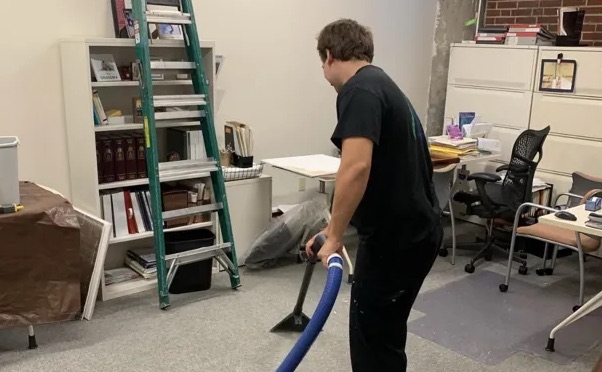
Under Carpet Water Extraction in Beaverton, Oregon
For homes in Beaverton, under carpet water damage is a common issue that compromises flooring systems. The padding acts like a sponge, holding moisture against the wooden subfloor and causing warping, staining, and potential microbial contamination if the water is not extracted promptly.
In Beaverton and nearby Cedar Hills, West Slope and Cedar Mill, local pros dry under carpets fast, using moisture meters to confirm nothing is left to cause mold or rot.
Under Carpet Water Extraction and Related Services in Beaverton
Subfloor Moisture Inspection
A subfloor moisture inspection records water levels for the property owner's documentation. Local moisture removal experts find hidden wet spots to prevent mold and structural issues later.
Wet Carpet Pad Removal
Wet carpet pad removal addresses foam that retains water like a sponge. Local restoration pros dispose of this material to eliminate a major moisture reservoir before effective drying.
Hidden Water Damage Repair
The experts fix structural consequences of water that lingered under carpet. They treat or replace damaged wood to return the floor to a stable, level condition before new installation.
Emergency Carpet Drying Services
After extraction, the pros dry the carpet and subfloor with commercial drying equipment.
Carpet Flood Water Cleanup
The experts use truck-mounted or portable extractors to pull flood water out of carpet and pad.
Indicators of Hidden Water Under Carpet in Beaverton
Carpet Padding Feels Wet
If you lift a corner and the pad feels damp, water has gotten under the carpet.
Increased Humidity in the Room
Unexplained high humidity levels around carpeted areas can signal evaporating water from a hidden under-carpet water damage source.
Persistent Musty or Moldy Odors
A lingering damp smell from your carpet is a common sign of hidden moisture and potential mold underneath.
Carpet Feels Spongy or Damp
If your carpet feels wet underfoot or has a squishy texture, water has likely saturated the pad and subfloor.
How Under Carpet Water Extraction Works in Beaverton
Step 1: Detailed Damage Evaluation
The experts perform a thorough evaluation, documenting the source and scope of damage with photos and moisture readings for your insurance.
Step 2: Extraction and Pad Disposal
High-powered extraction pulls water from deep within the carpet. Irreparably soaked padding is removed as part of the wet carpet pad removal service.
Step 3: Subfloor Moisture Mitigation
The subfloor is dried with industrial equipment and checked until it reads dry.
Step 4: Restoration and Deodorization
The final step involves carpet flood cleanup of the carpet itself, deodorization, and antimicrobial treatment to restore a clean, dry, and healthy floor.
Frequent Causes of Hidden Carpet Moisture in Beaverton
Ice Maker or Refrigerator Leaks
A slow leak from a refrigerator water line or ice maker can go undetected for weeks, soaking the under-carpet area.
Roof Leaks Traveling Down Walls
Water from a roof leak can run down interior wall cavities and pool on the subfloor, soaking the carpet from the edges.
Appliance Leaks and Malfunctions
A leaking washing machine, dishwasher, or water heater can release water that flows unnoticed beneath nearby carpeted flooring.
Overflowing Bathtubs or Sinks
A bathroom flood can send large volumes of water under doorways, quickly soaking into carpet padding in adjacent rooms.
Under Carpet Water Extraction Across Beaverton Property Types
Residential Under Carpet Water Extraction
At home, water reaches carpet from plumbing failures, appliance overflows and storms. The experts in Beaverton work to save the carpet and dry the subfloor in living rooms, bedrooms and halls.
Commercial Under Carpet Water Extraction
In offices, stores and lobbies in Beaverton, water under carpet from leaks or spills is extracted and the subfloor is dried so staff and customers are not disrupted for long.
Under Carpet Water Extraction vs. DIY: When to Call Moisture Removal Experts
You can move furniture and belongings from the wet area to a dry space to prevent further damage and allow better air circulation. Do not attempt to lift or remove installed carpet yourself, as this can cause tearing. Leave carpet and pad removal to the experts.
Factors Affecting Under Carpet Water Extraction Cost in Beaverton, OR
The experts calculate the price for under carpet water extraction based on the affected square footage and the time needed for thorough moisture removal.
Carpet Pad Condition
A soaked carpet pad usually has to be replaced, which adds material and labor.
Water Contamination Category
Clean water from a supply line is simpler to address than grey or black water, which requires more intensive sanitizing protocols.
Required Drying Time
The duration needed for industrial air movers and dehumidifiers to achieve proper drying standards affects operational costs.
Does Insurance Cover Under Carpet Water Extraction?
Whether an insurer covers under carpet water extraction hinges on the policy's terms and the incident's origin. The pros in Beaverton provide detailed documentation of the affected area, including photos and moisture readings, for the homeowner's claim submission.
The Value of Local Moisture Removal Experts in Beaverton for Under Carpet Water Extraction
Sequential Restoration Process
Services follow a logical sequence from extraction to drying to sanitizing, helping ensure no step in recovery is missed.
Post-Extraction Sanitizing Protocols
After water removal, the area is treated to sanitize surfaces and inhibit mold for a healthier environment.
Focused Subfloor Inspection
Pros check the subfloor separately so it is fully dry before the job is finished.
24/7 Under Carpet Water Extraction for Beaverton Emergencies
Water under carpet can ruin the pad and the subfloor beneath it. Call (503) 224-3149 24/7 for extraction and drying in Beaverton.
Call Now (503) 224-3149Locations Served for Under Carpet Water Extraction Near Beaverton
Carpet flood cleanup and subfloor moisture checks are available in Beaverton and areas like Cedar Hills, West Slope and Cedar Mill.
- Under Carpet Water Extraction in Cedar Hills
- Under Carpet Water Extraction in West Slope
- Under Carpet Water Extraction in Cedar Mill
- Under Carpet Water Extraction in Raleigh Hills
- Under Carpet Water Extraction in Garden Home
- Under Carpet Water Extraction in West Haven-Sylvan
- Under Carpet Water Extraction in Metzger
- Under Carpet Water Extraction in Bull Mountain
- Emergency Damage Restoration in 97003
- Storm Damage Restoration in 97003
- Water Damage Restoration in 97003
- Water Extraction Service in 97003
- Water Leak Detection in 97003
- Water Removal Service in 97003
- Emergency Damage Restoration in 97005
- Storm Damage Restoration in 97005
Common Under Carpet Water Extraction Questions Answered
What are the risks of delayed under carpet water extraction?
Delaying can lead to permanent carpet staining, delamination, mold growth within 24-48 hours, wood subfloor rot, and persistent musty odors in the home.
What happens during hidden water damage repair?
This involves accessing concealed spaces, removing damaged materials if necessary, applying targeted drying techniques, and repairing or replacing affected structural components.
What steps follow the main water extraction phase?
Following extraction, the focus shifts to continuous monitoring with moisture meters, adjusting drying equipment, and performing final sanitizing before the area is restored.
What is the process for under carpet water extraction?
The process involves using specialized extraction tools to pull water from the carpet, assessing the pad, inspecting the subfloor for moisture, and then deploying industrial drying equipment.
Can under carpet drying prevent mold growth?
Rapid and thorough drying using professional methods is the most effective way to prevent the conditions that allow mold to colonize damp materials.