Portland, OR · Multnomah County
Structural Drying & Dehumidification in Portland, ORCeiling Cavity Drying & Building Material Drying
Structural Drying & Dehumidification in Portland includes hardwood floor drying, ceiling cavity drying and concrete slab drying.
Answered 24/7
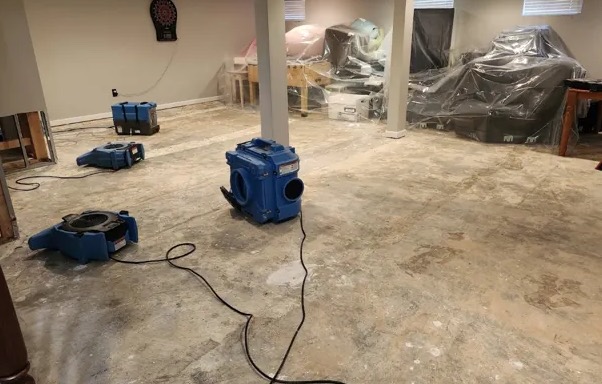
Structural Drying & Dehumidification Services in Portland, OR
In Portland, hidden moisture in wall cavities or under flooring can cause rot and draw pests. Local drying specialists dry wall cavities and crawl spaces until the property is stable again.
Water-damaged properties in Portland and nearby areas like Raleigh Hills, West Haven-Sylvan and West Slope often have hidden moisture in wall cavities, subfloors or slabs. Local drying specialists dry these areas and can explain each step before work begins.
Detailed Structural Drying & Dehumidification for Portland Properties
Ceiling Cavity Drying
Pros dry water from roof leaks above ceilings with ventilation and desiccant dehumidifiers before drywall sags.
Building Material Drying
The specialists monitor wet studs and sheathing until they are dry, protecting the home's framework.
Subfloor Moisture Extraction
The specialists in Portland dry wet subfloors before they weaken the whole floor system.
Wet Wall Cavity Drying
The specialists in Portland dry inside walls through small openings, so most drywall can stay in place.
Hardwood Floor Drying
Professional drying can often save hardwood that got wet, if it starts before the boards buckle.
Indicators for Structural Drying & Dehumidification in Portland
Peeling Paint or Wallpaper
Peeling paint or wallpaper is a common sign that moisture got behind the surface.
Musty Odors Lingering
A damp smell that lingers points to hidden moisture in wall cavities or under floors.
Damp or Staining Walls
Stains or damp drywall mean the wall cavity behind it is still wet.
Cold and Damp Concrete Floors
A concrete floor that stays cold and damp is pulling moisture up from below.
How Structural Drying & Dehumidification Works in Portland
Step 1: Source Containment and Extraction
The water source is stopped and all reachable water is extracted before drying begins.
Step 2: Dehumidification System Deployment
Commercial dehumidifiers are set up to pull moisture from the air and building materials.
Step 3: Focused Airflow for Drying
Air movers are aimed to create drying paths, speeding up crawl space and slab drying.
Step 4: Moisture Validation and Monitoring
Moisture is checked daily until materials reach dry standards for their type.
Sources of Moisture Requiring Dehumidification Services in Portland
Construction Defects or Leaks
Faulty flashing or poorly installed windows let water in slowly, where it stays hidden.
Appliance Malfunction or Overflow
A failing water heater, washing machine or dishwasher can release a lot of water suddenly.
Foundation Cracks and Seepage
Cracks in the foundation or slab let groundwater in, wetting concrete and basement walls.
Roof Leaks During Storms
Wind-driven rain or damaged shingles let water into the attic and ceiling cavities.
Structural Drying & Dehumidification for Homes and Businesses in Portland
Residential Structural Drying & Dehumidification
At home, pros dry wall cavities, hardwood floors and crawl spaces to protect your family's health and the value of the house.
Commercial Structural Drying & Dehumidification
For businesses, pros dry slabs, ceiling cavities and building materials to cut downtime in offices, stores and warehouses.
Why DIY Fails for Structural Drying & Dehumidification in Portland
Move valuables and furniture out of the water's path to prevent more damage. Water that pools under floors or inside walls needs professional drying equipment to remove.
Cost Considerations for Structural Drying & Dehumidification in Portland
The size of the wet area, hidden moisture in wall cavities and the type of water involved all affect pricing.
Type of Materials Involved
Porous drywall and insulation hold more water and sometimes must be removed as well as dried.
Access and Confinement
Tight crawl spaces and closed ceiling cavities are harder to reach and may need special setups.
Secondary Damage Prevention
Faster drying with extra equipment, used to prevent lasting damage, adds to the cost.
Does Insurance Cover Structural Drying & Dehumidification?
Many homeowners policies cover sudden, accidental water damage that needs drying. The cause matters, and your insurer decides coverage, while local pros document the damage for your claim.
Benefits of Local Specialists for Structural Drying & Dehumidification
Moisture Remediation Focus
The goal is full drying of hidden materials, not just removing the visible water.
Structured Drying Assessments
Pros check and adjust the equipment regularly so humidity and moisture keep dropping.
Industrial-Grade Equipment
Large air movers and dehumidifiers dry far faster than household fans and units.
Round-the-Clock Structural Drying & Dehumidification in Portland, OR
Stop water damage before it spreads. Call the pros at (503) 224-3149 for 24/7 drying in Portland, since a start lowers repair costs.
Call Now (503) 224-3149Structural Drying & Dehumidification Coverage in Portland, Raleigh Hills, West Haven-Sylvan and West Slope
Drying and dehumidification are available for properties in Portland and nearby communities like Raleigh Hills, West Haven-Sylvan and West Slope.
Your Structural Drying & Dehumidification Questions Addressed
What is wet wall cavity drying?
Small openings or injection systems push dry air inside the wall to dry studs and insulation that fans cannot reach.
What happens during property drying monitoring?
Pros return to check moisture readings, adjust equipment and give updates until the space is dry.
How long does emergency flood drying typically take?
It depends on water volume, materials and humidity, but most home jobs take several days of continuous drying.
How does concrete slab drying work?
Dehumidifiers lower the air humidity, which pulls moisture up through the concrete, sometimes with drying mats too.
What is crawl space dehumidification and when is it needed?
Equipment that lowers humidity and dries standing water under the house, needed after flooding or ongoing dampness.