Happy Valley, OR · Clackamas County
Roof Leak Water Removal in Happy Valley, ORAttic Water Extraction & Leak Source Identification
Roof Leak Water Removal in Happy Valley includes emergency roof tarping, ceiling water damage cleanup, wall cavity drying and wet contents protection.
Answered 24/7
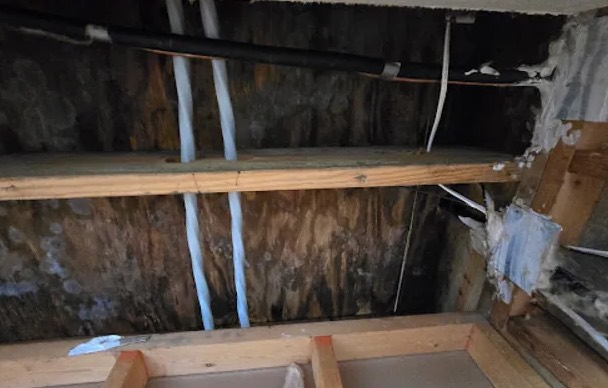
Roof Leak Cleanup and Drying in Happy Valley
Water from a roof leak lands on the ceiling first. Drywall can hold only so much before it sags, so getting water out of the attic quickly protects the room below.
Roof leak water removal is available in Happy Valley and nearby Sunnyside, Damascus and Clackamas. The pros tarp the opening if needed, extract the water and dry the attic framing and ceiling drywall.
Roof Leak Cleanup Services in Happy Valley, OR
Attic Water Extraction
Water that pools on attic floors, vapor barriers or ceiling drywall is pulled out with wet vacuums and portable extractors before it soaks through to the room below.
Leak Source Identification
Photos of the entry point, the wet decking and the path of the water give the roofer and your insurer a clear record of the leak.
Wet Contents Protection
Wet contents are sorted into items that can be dried and items that cannot. A photo list of each is kept for the insurance claim.
Ceiling Water Damage Cleanup
If water is trapped above the ceiling, the pros drain it through a small controlled hole, then dry the joists and decide what drywall must come down.
Wet Insulation Removal
Soaked batts and blown insulation hold water against the ceiling and framing for weeks. The pros bag and remove it so the attic can dry.
Signs of a Roof Leak in Your Happy Valley Home
Puddles Under the Ceiling
Water on the floor under a stain or a drip means the ceiling above is already holding more than it can absorb.
Gutters Spilling Over the Roof Edge
Gutters that overflow toward the house during storms can push water under the shingles and into the wall top plates.
Dripping From a Light Fixture
Water dripping from a light or ceiling fan means it has pooled above the ceiling. Turn off that circuit and keep people clear.
Wet or Flattened Insulation
Insulation that is matted, stained or damp to the touch in the attic means rain is getting past the roof deck.
How Roof Leak Water Removal Works in Happy Valley
Step 1: Stop the Water
The opening in the roof is tarped and drips inside are caught, so no more rain reaches the attic while the cleanup starts.
Step 2: Attic Water Extraction
Standing water is pulled from the attic floor and from on top of the ceiling with wet vacuums and portable extractors.
Step 3: Remove Wet Insulation
Soaked insulation is bagged and taken out so the drywall and joists underneath are open to air.
Step 4: Structural Drying
Air movers and dehumidifiers dry the rafters, decking and ceiling, with readings taken each day until the wood is dry.
What Causes Roof Leaks in Happy Valley Homes
Open Roof Valleys
Valleys carry the most water on a roof. Worn or poorly sealed valleys let that concentrated flow into the decking.
Storm Debris and Hail
Falling branches and hail can crack shingles or puncture the deck, opening a direct path for rain into the attic.
Cracked Vent Boots
The rubber collars around plumbing vents dry out and split with age, letting rain drip down the pipe into the attic.
Worn Flashing
Flashing around chimneys, skylights and wall joints can crack, rust or pull loose, and water runs in along the gap.
Roof Leak Water Removal for Every Property in Happy Valley, OR
Residential Roof Leak Water Removal
Attic work in a house is tight. Local roof leak water removal pros in Happy Valley work from the joists, remove wet insulation and dry the ceiling drywall without stepping through it.
Commercial Roof Leak Water Removal
Leaks over stores and offices can wet stock, desks and electronics. The pros move contents out of the drip zone, extract the water and set up drying for the affected suites.
When a Roof Leak Is Too Big for DIY
A wet-dry vacuum can pick up water from hard floors you can reach safely. Household vacuums are not made for water and can shock you.
Pricing Roof Leak Water Removal in Happy Valley
Costs rise when water has reached walls and floors below the attic, because each level needs its own extraction and drying setup.
Attic Access
Low, tight attics with little floor to stand on take longer to work in than open attics with a walkway.
Belongings in the Way
Moving and drying furniture, stored boxes and electronics under the leak adds time to the job.
Drying Time
Each extra day of air movers, dehumidifiers and moisture checks adds to the cost, so wet wood that dries slowly costs more.
Does Insurance Cover Roof Leak Water Removal?
Insurance may pay for water removal and drying after a covered roof leak, while the roof repair is handled under different terms. Check your policy and deductible.
Why Call Local Pros for Roof Leak Water Removal in Happy Valley
One Job, Start to Finish
Tarping, extraction, insulation removal and drying happen in order, so each step is not left waiting on another company.
Finding Hidden Water
Thermal cameras and moisture meters find wet insulation and wall cavities that are not visible from the room below.
Drying to Measured Targets
Drying stops only when meters show the wood and drywall are dry, not when the surface looks dry.
Emergency Attic Water Removal in Happy Valley
Roof leaks get worse with every hour of rain. Call (503) 224-3149 any time for tarping, attic extraction and drying in Happy Valley.
Call Now (503) 224-3149Local Roof Leak Water Removal Coverage for Happy Valley
From Happy Valley to Sunnyside, Damascus and Clackamas, roof leak cleanup follows the same steps: stop the water, remove it from the attic and dry the structure.
- Roof Leak Water Removal in Sunnyside
- Roof Leak Water Removal in Damascus
- Roof Leak Water Removal in Clackamas
- Roof Leak Water Removal in Oatfield
- Roof Leak Water Removal in Gresham
- Roof Leak Water Removal in Milwaukie
- Roof Leak Water Removal in Oak Grove
- Roof Leak Water Removal in Gladstone
- Emergency Damage Restoration in 97086
- Storm Damage Restoration in 97086
- Water Damage Restoration in 97086
- Water Extraction Service in 97086
- Water Leak Detection in 97086
- Water Removal Service in 97086
Roof Leak Water Removal Questions Answered
What should I do first when I find a roof leak?
Catch drips, move belongings away, turn off power to wet fixtures and take photos. Then call (503) 224-3149 to have the water removed and the attic dried.
How soon should water removal start after a roof leak?
As soon as possible. Wet drywall and insulation can start to grow mold in 24 to 48 hours, and a ceiling holding water can sag and fall.
How is water removed from an attic?
Standing water is pulled out with wet vacuums and extractors, then soaked insulation is removed so the ceiling and framing can be dried.
Are old ceiling stains a sign of an active leak?
Not always. A dry stain may be from a past leak. A stain that is damp, growing or bulging means water is still getting in.
How do the pros find where a roof is leaking?
They trace the water from the stain up into the attic, follow it along the rafters and decking, and use moisture meters to find the entry point.