Beaverton, OR · Washington County
Rapid Structural Drying in Beaverton, OREmergency Structural Drying & Structural Dehumidification
Rapid Structural Drying in Beaverton involves services like wall cavity drying, subfloor drying, and crawl space drying from restoration pros.
Answered 24/7
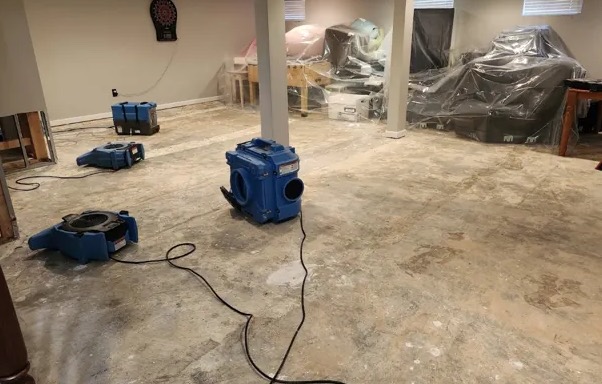
Professional Rapid Structural Drying in Beaverton, OR
Commercial properties have complex building assemblies that require specialized drying strategies. A fast, coordinated response minimizes downtime and limits damage.
Residential structural drying in Beaverton focuses on protecting family homes from water-related deterioration. Local moisture removal experts perform flood drying services and moisture mapping services as part of a full response. Coverage includes areas around Cedar Hills, West Slope and Cedar Mill for convenient access.
Rapid Structural Drying Services in Beaverton
Emergency Structural Drying
A sudden water event requires an immediate drying protocol. High-capacity dehumidifiers then work to pull moisture from the air and structural components, starting the recovery process.
Structural Dehumidification
The core of rapid structural drying is aggressive dehumidification. Using low-grain refrigerant (LGR) or desiccant units, pros control the environment to halt secondary damage.
Crawl Space Drying
Properties in Beaverton may have crawl spaces affected by seasonal moisture. The pros seal vapor barriers and run drying equipment until wood moisture content returns to safe levels.
Subfloor Drying
In many water damage situations, the subfloor is critically affected. Subfloor drying prevents costly replacement by using specialized equipment like LGR dehumidifiers and directed airflow.
Concrete Slab Drying
After a major flood, a concrete floor often holds significant moisture. Drying the slab prevents future problems with flooring and humidity.
When to Consider Rapid Structural Drying in Beaverton
Water Pooling in Crawl Spaces
Standing water under your home puts floor framing at risk and needs pumping and drying.
Peeling Paint or Wallpaper
Paint or wallpaper that is blistering and peeling is often caused by hidden moisture behind the surface.
Soggy or Spongy Drywall
Drywall that feels soft to the touch has absorbed a lot of water and needs drying right away.
Mold Growth on Baseboards
Mold appearing along floor edges often points to hidden moisture in wall cavities or subfloors needing extraction.
How Rapid Structural Drying Works in Beaverton
Step 1: Water Extraction and Containment
The process begins with extracting any standing water, then containing the affected area to prevent moisture migration to dry parts of the building.
Step 2: Professional Drying Equipment Deployment
Powerful desiccant and refrigerant dehumidifiers are deployed alongside air movers to aggressively remove moisture from the air and building materials.
Step 3: Focused Crawl Space and Slab Drying
Hard areas get specific methods, such as ducted air for crawl spaces and floor mats for concrete slabs.
Step 4: Final Moisture Validation and Documentation
Final moisture readings are taken and documented with photos and reports for your insurer, confirming the structure is dry and stable.
Common Causes of Water Damage Requiring Rapid Structural Drying in Beaverton
Burst Pipes or Plumbing Failures
A burst pipe can release hundreds of gallons, soaking drywall, subfloors and framing well beyond the room where it broke.
Landscaping or Grading Problems
Improper yard slope can direct water toward a foundation, leading to persistent dampness in slabs and crawl spaces.
Severe Weather and Flooding
Heavy rainfall or localized flooding can overwhelm drainage, leading to water intrusion.
Poor Ventilation in Enclosed Spaces
Inadequate airflow in crawl spaces or wall cavities traps moisture, promoting rot and mold that experts must address.
Property Types Requiring Rapid Structural Drying in Beaverton
Residential Rapid Structural Drying
Subfloor drying preserves the stability of residential floors. The pros use injectidry systems and floor mat drying to extract moisture from between joists without removing the finished flooring above.
Commercial Rapid Structural Drying
Restaurants and hotels need kitchen subfloors and guest room walls dried quickly. The pros use commercial extraction and drying equipment and work around service hours.
Rapid Structural Drying vs. DIY: When to Call Moisture Removal Experts
Wipe down accessible surfaces with towels and increase ventilation by opening windows if weather permits. Avoid using household fans on wet drywall, as they can spread mold spores.
Factors Affecting Rapid Structural Drying Pricing
In Beaverton, the cost of professional structural drying is influenced by the number of rooms affected and the type of materials involved. Drying thick concrete slabs or enclosed wall cavities typically requires more resources.
Affected Structural Materials
Drying dense materials like concrete slabs or enclosed wall cavities demands specialized techniques and longer durations than drying open areas.
Extent of Water Damage
The square footage and depth of saturation in materials like drywall and subflooring directly impact the drying time and equipment needed.
Secondary Damage Prevention
Efforts to prevent mold growth during the drying process, such as applying antimicrobials, can be a factor in the service cost.
Does Insurance Cover Rapid Structural Drying?
Whether residential structural drying is covered depends on your insurer's interpretation of the cause. You are responsible for filing the claim and discussing coverage specifics with your insurance agent.
The Importance of Expert Rapid Structural Drying
24/7 Emergency Response
Help is available day or night to begin the rapid structural drying process and limit further damage.
Detailed Documentation for Claims
Comprehensive logs of moisture readings and photos are taken to document the damage for insurance purposes.
Advanced Moisture Detection
Tools like thermal imagers and moisture meters are used for accurate moisture mapping to find hidden water.
Emergency Moisture Removal for Beaverton
After a burst pipe or flood in Beaverton, call (503) 224-3149 any time, day or night, so drying can start before materials soak further.
Call Now (503) 224-3149Rapid Structural Drying Near Beaverton: Areas Served
Rapid structural drying is available for homes and businesses in Beaverton. The experts also serve nearby places like Cedar Hills, West Slope and Cedar Mill.
- Rapid Structural Drying in Cedar Hills
- Rapid Structural Drying in West Slope
- Rapid Structural Drying in Cedar Mill
- Rapid Structural Drying in Raleigh Hills
- Rapid Structural Drying in Garden Home
- Rapid Structural Drying in West Haven-Sylvan
- Rapid Structural Drying in Metzger
- Rapid Structural Drying in Bull Mountain
- Emergency Damage Restoration in 97003
- Storm Damage Restoration in 97003
- Water Damage Restoration in 97003
- Water Extraction Service in 97003
- Water Leak Detection in 97003
- Water Removal Service in 97003
- Emergency Damage Restoration in 97005
- Storm Damage Restoration in 97005
Your Rapid Structural Drying Questions Answered
How long does concrete slab drying typically take?
Concrete slab drying time varies with thickness and saturation but often takes several days, as dense concrete releases moisture slowly, requiring sustained use of industrial dehumidifiers and air circulation.
Why is wall cavity drying important after a leak?
Water trapped inside wall cavities can lead to hidden mold, wood rot, and compromised insulation.
What is rapid structural drying?
Rapid structural drying is a focused water mitigation process using industrial equipment to quickly remove moisture from building materials like walls, floors, and substructures to prevent further damage.
Can flood drying services prevent mold?
Prompt flood drying services that quickly remove water and lower humidity can significantly reduce the risk of mold growth, which often begins within 24-48 hours in damp conditions.
What happens if wall cavity drying is delayed?
Delayed wall cavity drying allows moisture to promote mold growth inside walls, degrade insulation, and potentially weaken drywall or wooden studs, leading to more extensive and invasive repairs.