Banks, OR · Washington County
Rapid Structural Drying in Banks, ORWall Cavity Drying & Structural Dehumidification
Rapid Structural Drying in Banks includes emergency structural drying, moisture mapping services, and flood drying services.
Answered 24/7
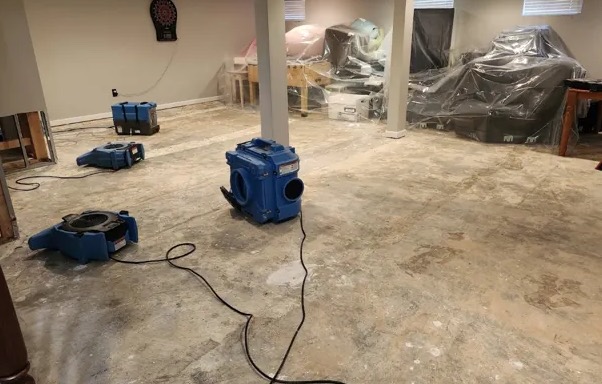
Expert Rapid Structural Drying for Banks Properties
Concrete slabs, subfloors and wall studs all absorb moisture at different rates. Incomplete drying leaves residual dampness that weakens structures over time.
Residential structural drying in Banks focuses on protecting family homes from water-related deterioration. Local moisture removal experts perform flood drying services and moisture mapping services as part of a full response. Coverage includes areas around North Plains, Forest Grove and Cornelius for convenient access.
Rapid Structural Drying Methods and Techniques
Wall Cavity Drying
Wall cavity drying uses specialized techniques, like injection systems or strategic venting, to circulate dry air into the hidden space.
Structural Dehumidification
Dehumidification is the engine that drives the structural drying process. It involves calculating the space's cubic volume and moisture load to select the right capacity equipment.
Crawl Space Drying
Crawl spaces are vulnerable to groundwater and plumbing leaks. Effective drying here combines pumping, debris removal, and the strategic placement of air movers and dehumidifiers.
Concrete Slab Drying
After a major flood, a concrete floor often holds significant moisture. Drying the slab prevents future problems with flooring and humidity.
Subfloor Drying
Water seeping under flooring requires immediate attention. High-capacity dehumidifiers then capture the water vapor to protect the subfloor's strength.
Indications for Rapid Structural Drying
Soggy or Spongy Drywall
Drywall that feels soft to the touch has absorbed a lot of water and needs drying right away.
Musty Odors in Your Home
A musty smell that will not go away usually means moisture is trapped inside walls or under floors.
Squeaking or Soft Floor Areas
Unusual noises or soft spots when walking indicate compromised subflooring from water damage that needs assessment.
Condensation Inside Window Frames
Excessive condensation can lead to wall cavity moisture and rot, a common issue addressed by local water damage pros.
How Rapid Structural Drying Works in Banks
Step 1: Site Evaluation for Hidden Moisture
The service starts with a thorough evaluation using probes and sensors to locate all hidden moisture within wall cavities, subfloors, and concrete slabs.
Step 2: Deployment of Industrial Drying Systems
Commercial dehumidifiers and air movers are set up to pull water out of dense materials like hardwood and framing.
Step 3: Active Wall and Subfloor Drying Cycle
An active drying cycle begins, with equipment running continuously to evaporate and extract moisture, focusing on wall cavity and subfloor drying.
Step 4: Assurance of Complete Moisture Removal
Before concluding, pros verify complete moisture removal with final checks, ensuring the structure is protected from future mold or rot issues.
Common Causes Requiring Rapid Structural Drying in Banks
Severe Weather and Flooding
Heavy rainfall or localized flooding can overwhelm drainage, leading to water intrusion.
Landscaping or Grading Problems
Improper yard slope can direct water toward a foundation, leading to persistent dampness in slabs and crawl spaces.
Clogged Gutters and Downspouts
When gutters overflow, water pools against the foundation and can seep into crawl spaces, slabs and lower walls.
Appliance Malfunctions and Leaks
Faulty water heaters, washing machines, or dishwashers can leak slowly, causing hidden damage in walls and floors over time.
Rapid Structural Drying for Homes and Businesses
Residential Rapid Structural Drying
Subfloor drying preserves the stability of residential floors. The pros use injectidry systems and floor mat drying to extract moisture from between joists without removing the finished flooring above.
Commercial Rapid Structural Drying
Restaurants and hotels need kitchen subfloors and guest room walls dried quickly. The pros use commercial extraction and drying equipment and work around service hours.
Professional Rapid Structural Drying vs. DIY Methods
Wipe down accessible surfaces with towels and increase ventilation by opening windows if weather permits. Avoid using household fans on wet drywall, as they can spread mold spores.
Understanding Rapid Structural Drying Investment
The cost of structural drying in Banks depends on the damage. Large areas with soaked wall cavities or subfloors take more labor and time.
Extent of Water Damage
The square footage and depth of saturation in materials like drywall and subflooring directly impact the drying time and equipment needed.
Project Duration
The total time needed for complete structural dehumidification and achieving dry standards affects the overall labor and equipment rental period.
Moisture Mapping Scope
Detailed moisture mapping services to track drying progress across a structure require additional time and diagnostic tools from the pros.
Does Insurance Cover Rapid Structural Drying?
Whether insurance covers emergency structural drying in Banks is determined by your specific policy language. It is essential to confirm coverage details with your insurance provider before authorizing any major work.
Why Choose Local Restoration Pros for Rapid Structural Drying in Banks
Water Mitigation Drying Expertise
The approach is part of a complete water mitigation process to stabilize the property quickly.
Detailed Documentation for Claims
Comprehensive logs of moisture readings and photos are taken to document the damage for insurance purposes.
24/7 Emergency Response
Help is available day or night to begin the rapid structural drying process and limit further damage.
24/7 Rapid Structural Drying When You Need It
A plumbing failure or appliance leak can soak framing and subfloors within hours. Call (503) 224-3149 to start rapid structural drying.
Call Now (503) 224-3149Local Rapid Structural Drying Coverage Area
Rapid structural drying is available for homes and businesses in Banks. The pros also serve nearby places like North Plains, Forest Grove and Cornelius.
- Rapid Structural Drying in North Plains
- Rapid Structural Drying in Forest Grove
- Rapid Structural Drying in Cornelius
- Rapid Structural Drying in Hillsboro
- Rapid Structural Drying in Rockcreek
- Rapid Structural Drying in Scappoose
- Rapid Structural Drying in Vernonia
- Rapid Structural Drying in Aloha
- Emergency Damage Restoration in 97106
- Storm Damage Restoration in 97106
- Water Damage Restoration in 97106
- Water Extraction Service in 97106
- Water Leak Detection in 97106
- Water Removal Service in 97106
- Emergency Damage Restoration in 97125
- Storm Damage Restoration in 97125
Common Queries About Structural Drying
What is involved in subfloor drying?
Subfloor drying involves using specialized air movers and dehumidifiers to draw moisture out of the wooden or concrete layer beneath flooring, often requiring access panels or strategic placement of equipment.
Can flood drying services prevent mold?
Prompt flood drying services that quickly remove water and lower humidity can significantly reduce the risk of mold growth, which often begins within 24-48 hours in damp conditions.
How does emergency structural drying differ from regular drying?
It is drying that starts as an emergency call, often outside business hours, with equipment set up to protect the structure before materials swell or grow mold.
What is rapid structural drying?
Rapid structural drying is a focused water mitigation process using industrial equipment to quickly remove moisture from building materials like walls, floors, and substructures to prevent further damage.
Is rapid structural drying needed for clean water leaks?
Yes, even clean water from a broken pipe requires rapid structural drying to prevent absorption into porous materials, which can lead to swelling, warping, and potential mold.