Aloha, OR · Washington County
Moisture Mapping in Aloha, ORPipe Leak Moisture Mapping & Subfloor Moisture Inspection
Moisture Mapping in Aloha includes condensation damage evaluation, thermal imaging moisture detection and wall cavity moisture mapping.
Answered 24/7
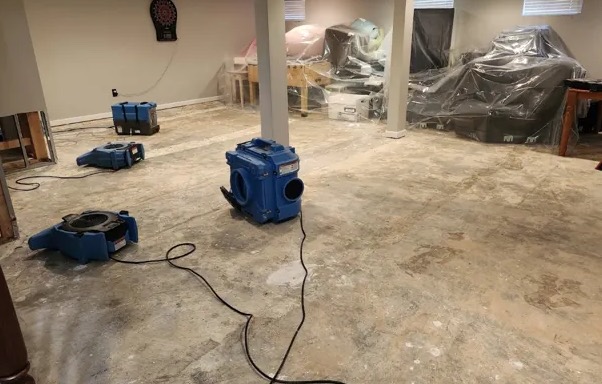
Accurate Moisture Mapping for Aloha Properties
Accurate mapping directly informs and guides all subsequent drying equipment placement and repair work, making it a foundational service for any successful restoration project.
Moisture mapping in Aloha addresses water intrusion with precise post-flood moisture assessment and leak identification. Local pros serve Aloha and locations like Beaverton, Cedar Hills and Cedar Mill. They offer around-the-clock help for comprehensive moisture inspection and documentation.
Detailed Moisture Mapping Offered in Aloha
Pipe Leak Moisture Mapping
A moisture map of a pipe leak shows the insurer how far the water spread, which supports the scope of the claim.
Subfloor Moisture Inspection
Moisture mapping under flooring prevents warping, cupping, and mold. This inspection is often needed after appliance leaks or slab leaks in properties throughout Aloha, a census-designated place in Washington County.
Structural Drying Verification
A final round of mapping compares readings with the first ones, so you know the home in Aloha is dry before repairs.
Thermal Imaging Moisture Detection
Infrared cameras allow non-invasive scanning to locate hidden moisture. This technology identifies water behind walls or under floors in homes throughout Aloha, without causing damage.
Wall Cavity Moisture Mapping
Mapping moisture levels within walls helps prevent mold growth and structural rot. Local moisture mapping pros use penetrating meters to check insulation and framing, a common need in homes across Aloha.
When to Schedule Moisture Mapping in Aloha
Cracking or Efflorescence on Masonry
White, chalky deposits or cracks on concrete or brick can signal ongoing moisture penetration and damage.
Wet Spots on Carpets
Damp areas or wet carpets that do not dry may indicate a deeper moisture issue in the pad or subfloor.
Visible Mold or Mildew Growth
Mold spots on walls or ceilings mean moisture has been there for days, often from a hidden leak.
Peeling Paint or Wallpaper
Bubbling paint or peeling wallpaper is a clear visual indicator of moisture intrusion behind the surface.
How Moisture Mapping Works in Aloha
Step 1: Initial Moisture Inspection
Local moisture mapping pros begin with a visual assessment and use moisture meters to take baseline readings in the affected and surrounding areas.
Step 2: Thermal Imaging Water Detection
Specialized infrared cameras are used to perform thermal imaging moisture detection, revealing hidden dampness and temperature differences in walls and floors.
Step 3: Detailed Moisture Mapping
Professionals create a detailed map of all moisture levels, documenting the extent of water damage for a clear visual record of the affected zones.
Step 4: Documentation for Assessment
Meter readings and thermal images are put into a report for the damage assessment and your insurance claim.
Causes of Hidden Water Damage in Aloha
Foundation Cracks and Seepage
Cracks in the foundation or slab can permit groundwater intrusion, leading to persistent subfloor moisture problems.
Faulty or Clogged Gutters
Gutters that overflow or are blocked can direct water against the siding and foundation, causing moisture intrusion.
Roof Leaks and Damaged Flashing
Compromised shingles, seals, or flashing allow water to seep into attics and walls.
Plumbing Leaks and Pipe Bursts
Failed pipe joints, corrosion, or sudden bursts can release water into wall cavities and subfloors.
Aloha Moisture Mapping for All Property Types
Residential Moisture Mapping
In homes, moisture mapping is crucial after any water event. The pros use thermal imaging moisture detection to find hidden dampness in walls and under floors.
Commercial Moisture Mapping
For businesses, hidden moisture can disrupt operations and damage stock. The pros check subfloors and map the affected areas after a flood.
Why DIY Moisture Detection Fails in Aloha
You can visually inspect accessible areas for obvious signs of water, like puddles or stains, and wipe up surface water promptly. Ensure the area is well-ventilated by opening windows if it is safe to do so.
What Affects Moisture Mapping Pricing in Aloha
In Aloha, pricing for moisture mapping is influenced by the number of rooms requiring assessment and the technology used, such as thermal imaging cameras.
Property Square Footage
Larger homes take longer to check room by room, which adds time and cost.
Reporting Detail
Providing thorough moisture meter readings and annotated maps for insurance adds to the post-assessment analysis time.
Number of Moisture Sources
Properties with multiple leak points, like several pipe leaks, require more extensive mapping and documentation efforts.
Does Insurance Cover Moisture Mapping?
For a roof leak moisture tracing claim, an insurance policy might pay for the inspection if the leak caused internal damage. A property owner should verify what is covered by discussing the assessment report with their insurance adjuster.
The Value of Local Moisture Mapping in Aloha
Advanced Thermal Imaging
Thermal imaging finds hidden water without needless demolition of walls or floors.
Condensation Issue Evaluation
A thorough condensation damage evaluation distinguishes condensation problems from active leaks, guiding the correct repair approach.
Targeted Subfloor Inspection
Specialized tools assess moisture beneath floors to identify problems early, protecting your home's foundation and integrity.
24/7 Emergency Moisture Mapping in Aloha
Discover a water leak? Call the pros at (503) 224-3149 for 24/7 emergency response to start thermal imaging water damage detection immediately.
Call Now (503) 224-3149Local Moisture Mapping Areas: Aloha and Beyond
Moisture mapping is available in Aloha and communities like Beaverton, Cedar Hills and Cedar Mill, with meter readings and drying checks.
Frequently Asked Moisture Mapping Questions
After mapping, what is the next step?
Following moisture mapping, the next step is often implementing a targeted drying plan based on the map, or if the leak is active, arranging immediate repairs before drying begins.
When should I get a subfloor moisture inspection?
If floors feel soft, smell musty or have been through a leak or flood, a subfloor check can find moisture before it rots the subfloor or leads to mold.
What does a moisture mapping report include?
The report includes annotated floor plans showing wet areas, moisture meter data logs, thermal images, photos of damage, and recommendations for drying or repair based on the water damage assessment.
Is moisture mapping disruptive to my home?
Moisture mapping is largely non-invasive, primarily using external scanners; only minor access points might be needed for probe readings, minimizing disruption compared to exploratory demolition.
What is structural drying verification?
Structural drying verification is a final assessment using moisture meters to confirm that building materials have reached a safe, dry equilibrium after water removal and drying procedures are complete.