Portland, OR · Multnomah County
Grocery Store Damage Restoration in Portland, OREmergency Dehumidification Services & Grocery Store Water Extraction
Grocery Store Damage Restoration in Portland includes storm damage water removal, flooded cooler drying and wet drywall replacement.
Answered 24/7
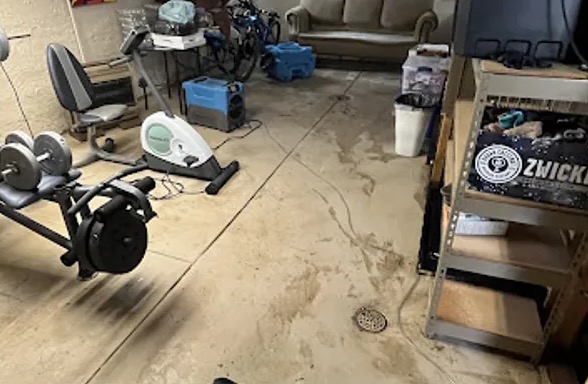
Local Grocery Store Damage Restoration Serving Portland, Oregon
Sewage backups present severe biological hazards in a grocery store setting. Standard cleaning is insufficient for this level of health risk.
In Portland, leaks and flooding threaten refrigeration units and need fast cleanup. Local water damage pros handle sewage backups and mold, here and in nearby places like Raleigh Hills, West Haven-Sylvan and West Slope. Fast response helps minimize business interruption.
Grocery Store Damage Restoration Offerings in Portland, OR
Emergency Dehumidification Services
Large-scale dehumidification pulls moisture from air and materials after water damage. Local pros deploy industrial desiccant and LGR units to lower humidity across sales floors and stockrooms in Portland.
Grocery Store Water Extraction
When a grocery store floods, water damage pros prioritize removing water from under shelving and walk-in coolers in Portland. They use moisture meters to find hidden moisture.
Supermarket Fire Damage Cleanup
After a supermarket fire, soot and smoke residues coat every surface. The pros use chemical sponges and ozone treatment to deodorize.
Sewage Backup Cleanup
Sewage backup in a grocery store poses serious health risks. Affected porous materials are removed as biohazard waste in Portland.
Flooded Cooler Drying
Walk-in cooler flood damage can compromise refrigeration and food safety. The pros use injectidry systems to dry insulation within walls in Portland. This targeted drying prevents mold inside sealed panels.
Common Signals for Grocery Store Damage Restoration in Commercial Spaces
Smoke Residue on Shelves
Visible soot or smoke residue on shelving and products after a fire. Fire cleanup must happen before the store can reopen.
Damp Insulation in Ceiling
Damp or sagging insulation above drop ceilings holds moisture and can hide mold.
Condensation on Interior Windows
Excessive condensation on interior windows or glass doors signals poor ventilation. Grocery store dehumidification helps control moisture and prevent mold.
Water Pooling Near Exterior Doors
Water pooling near exterior doors after storms can lead to flooding. Storm damage water removal prevents ingress and protects inventory.
How Grocery Store Damage Restoration Works in Portland
Step 1: Water Removal
The priority is emergency water removal commercial to stop the spread of damage. Powerful extraction equipment removes water from floors, back rooms and any affected storage areas.
Step 2: Structural Drying Process
A structural drying plan is carried out with commercial equipment. This grocery store dehumidification phase pulls moisture from walls, subfloors and hidden cavities.
Step 3: Content Cleaning and Restoration
Salvageable shelving, fixtures and non-contaminated inventory are cleaned and dried. For fire damage, soot and odor are cleaned from surfaces.
Step 4: Detailed Damage Logging
The pros maintain a detailed log of all actions, moisture readings and photos. This creates a clear record for the property owner's insurance claim file.
What Causes Leaks in Portland Grocery Stores
Sewer Line Backup
Municipal sewer line backups can force contaminated water into drains. Sewage cleanup is required to meet health codes.
Pipe Burst in Walls
A burst water pipe within a wall cavity soaks insulation and drywall. Drywall then has to be replaced and the area dried.
Cooling Unit Condensation Line
A clogged or broken condensation line from refrigeration units causes water overflow. Water must be extracted from the cooler and the cooler dried.
Foundation Crack Seepage
Water seepage through foundation cracks during wet seasons wets subfloors. This hidden moisture often necessitates mold remediation for grocery stores.
Expert Grocery Store Damage Restoration for Portland Commercial Properties
Grocery Store Damage Restoration for Homeowners
A house fire leaves pervasive smoke odor and soot on all surfaces. The pros clean contents and structure, using specialized equipment for odor removal.
Grocery Store Damage Restoration for Owners and Facility Managers
A supermarket fire affects vast square footage, inventory and sensitive electrical systems. Detailed logs aid in the complex commercial insurance process.
The Risks of DIY Grocery Store Damage Restoration for Portland Stores
If you notice a minor leak from a display case, you can place a bucket to catch water and turn off the water supply if accessible. However, for any significant water intrusion affecting floors or walls, call the pros for grocery store water damage cleanup.
Estimating Grocery Store Damage Restoration Expenses for Portland Stores
Cost considerations for commercial mold remediation account for containment protocols and air scrubbing. Food safety steps can add sanitizing and cost.
Containment Needs
Mold cleanup for grocery stores often requires physical barriers and negative air machines to prevent spore spread, adding to equipment and setup expenses.
Equipment Duration
The number of days commercial drying services like dehumidifiers and air movers must run to achieve proper dryness is a primary cost driver.
Sanitation Protocols
Food safety rules may require special cleaning agents and extra steps, which adds cost.
Does Insurance Cover Grocery Store Damage Restoration?
In cases of flooded grocery store cleanup, insurance might cover the water removal and drying if the flood source is covered. You must consult your policy and adjuster to confirm what restoration costs are eligible for reimbursement.
Advantages of Hiring Commercial Water Damage Pros in Portland for Grocery Store Damage Restoration
IICRC-Standard Methods
The pros follow industry standards for water extraction and drying in food retail spaces.
Detailed Damage Documentation
Thorough photo and moisture documentation supports your insurance claim process after storm damage water removal or other incidents.
Hazard-Specific Protocols
Commercial mold remediation and fire damage cleanup follow specific procedures for dealing with contaminants like spores or soot.
24/7 Grocery Store Damage Restoration Response in Portland, OR
A sewage backup or major leak requires urgent attention. Contact (503) 224-3149 any time, day or night, to reach the pros for emergency sewage backup cleanup commercial services.
Call Now (503) 224-3149Grocery Store Damage Restoration for Portland and Surrounding Communities
In Portland and nearby places like Raleigh Hills, West Haven-Sylvan and West Slope, the pros restore supermarkets, including flooded coolers and sewage backups.
Grocery Store Damage Restoration FAQs
How is commercial drying services progress monitored?
Moisture meters and sensors track drying in walls and floors until they reach a dry standard.
When is wet drywall replacement necessary after water damage?
Drywall is replaced when it is soaked and cannot be dried, or when mold is present. New, dry materials are installed to complete the repair.
What is the purpose of emergency dehumidification services?
Emergency dehumidification services use industrial dehumidifiers to rapidly lower humidity levels, preventing secondary water damage like swelling and mold after the initial water is removed.
What is involved in grocery store water extraction?
Commercial water extraction uses truck-mounted or portable pumps to remove standing water quickly, followed by assessment for hidden moisture in floors and walls to plan drying.
How does storm damage water removal protect a store?
Storm water is extracted fast to prevent structural weakening and mold, then the store is dried.