Dayton, OR · Yamhill County
Emergency Water Extraction in Dayton, ORFlooded Basement Water Removal & Wet Drywall Water Removal
Emergency Water Extraction in Dayton runs from standing water removal and emergency flood water extraction to wet drywall water removal.
Answered 24/7
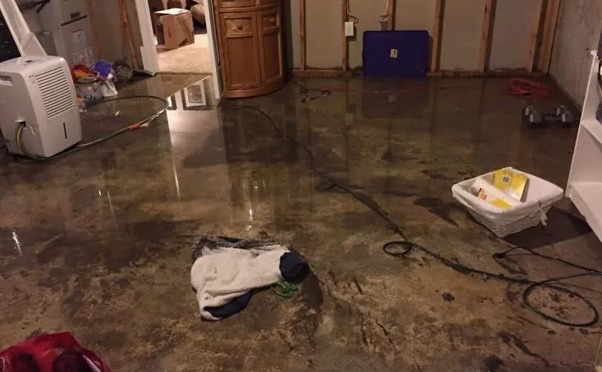
Emergency Water Extraction Services Available in Dayton Today
A water emergency in a Dayton business can close the doors. Extraction can start at night or on a weekend so the space can reopen as soon as possible.
In Dayton, emergency extraction calls come at all hours. Local water damage pros serve Dayton, Lafayette, St. Paul and Dundee, pumping standing water and extracting carpet and floors as soon as the source is off.
Key Emergency Water Extraction Procedures in Dayton
Flooded Basement Water Removal
A flooded lower level is pumped out, then carpet, pad and wet drywall are extracted or removed and the space is dried with dehumidifiers.
Wet Drywall Water Removal
Drywall that wicked up water is checked with a meter. Lightly damp drywall can be dried in place, while soaked drywall is cut out.
Carpet Water Extraction Services
Weighted extraction tools press water out of carpet and pad in slow passes, removing far more water than a surface wand.
Emergency Flood Water Extraction
When floodwater gets inside, submersible pumps remove the deep water first, then extractors clear floors and carpet room by room.
Standing Water Removal
Removing standing water quickly is what keeps a single wet room from turning into several.
Warning Signs You Need Emergency Water Extraction
Mold or Mildew
Dark spots on walls, baseboards or carpet backing mean an area has stayed wet for days.
Buckling Hardwood Floors
Hardwood that cups or buckles has absorbed water from a leak above or below it.
Dripping Sounds or Leaks
Dripping or running water sounds when nothing is on mean a leak is still active somewhere.
Visible Standing Water
Standing water anywhere inside needs extraction right away, before it soaks into walls, cabinets and subfloors.
How Emergency Water Extraction Works in Dayton
Step 1: Initial Water Damage Evaluation
Meters and thermal cameras show how far the water spread beyond what is visible.
Step 2: Standing Water Removal
Standing water is pumped out, and wet debris and soaked materials are cleared away.
Step 3: Structural Drying and Air Scrubbing
Drying equipment runs continuously, and air scrubbers filter dust from any removal work.
Step 4: Claim-Ready Damage Reporting
Photos, readings, removal lists and drying logs are organized into a report for the adjuster.
Common Causes of Water Damage in Dayton
Burst or Leaking Pipes
Pipes can crack or burst from age, pressure or cold weather, releasing water fast.
HVAC System Condensation Issues
Clogged AC condensate lines overflow into closets, attics and the ceilings of rooms below.
Appliance Malfunctions and Overflows
Washers, dishwashers, water heaters and refrigerator lines fail and flood the floor around them.
Roof Leaks From Storm Damage
Storm-damaged roofs let rain pour into attics and through ceilings into the rooms below.
Whole-Property Emergency Water Extraction in Dayton, OR
Residential Emergency Water Extraction
In two-story homes, water from an upstairs leak can reach the ceiling and rooms below. Both levels are extracted and dried.
Commercial Emergency Water Extraction
Commercial buildings with sprinkler discharges may have water on several floors. Each floor is extracted in order, starting with the wettest.
Emergency Water Extraction vs. DIY: When to Call the Pros
A shop vac picks up shallow water on hard floors, but it cannot pull water from carpet pad, wall cavities or subfloors. Those need professional extraction equipment.
Estimating Emergency Water Extraction Expenses in Dayton
Sewage, floodwater and deep standing water in Dayton cost more to extract than a clean water leak on one floor.
Water Source and Type
Clean water costs less to extract and dry than sewage or floodwater, which needs disinfection.
Location and Accessibility
Lower levels, crawl spaces and tight areas take more effort to reach and drain.
Necessary Demolition Work
Carpet pad, drywall and flooring that must be removed add labor and disposal costs.
Does Insurance Cover Emergency Water Extraction?
Insurers expect you to limit further damage. Calling for extraction right away and keeping records helps show that you did.
The Value of Local Emergency Water Extraction Experts in Dayton
Clear Communication
You get plain updates on what was extracted, what was removed and how drying is going.
Carpet Extraction
Weighted tools press water out of carpet and pad, giving the carpet a good chance of being saved.
Contained Removal
Wet drywall and flooring are removed inside plastic containment to keep dust out of clean rooms.
24/7 Emergency Water Extraction Availability in Dayton
Every hour water sits, more carpet, drywall and flooring are lost. Call (503) 224-3149 for emergency water extraction in Dayton at any hour, including holidays.
Call Now (503) 224-3149Emergency Water Extraction Service Area Around Dayton, OR
Need emergency water extraction outside Dayton? Service also covers Lafayette, St. Paul and Dundee, including help during storms and holidays.
- Emergency Water Extraction in Lafayette
- Emergency Water Extraction in St. Paul
- Emergency Water Extraction in Dundee
- Emergency Water Extraction in McMinnville
- Emergency Water Extraction in Carlton
- Emergency Water Extraction in Amity
- Emergency Water Extraction in Newberg
- Emergency Water Extraction in Gervais
- Emergency Damage Restoration in 97114
- Storm Damage Restoration in 97114
- Water Damage Restoration in 97114
- Water Extraction Service in 97114
- Water Leak Detection in 97114
- Water Removal Service in 97114
Common Emergency Water Extraction Questions Answered
How fast should flood water extraction begin?
As soon as the source is stopped and power is safe. Water soaks deeper into materials every hour it sits.
What happens after the water is extracted?
Moisture readings show what is still wet, materials that cannot be saved are removed and drying equipment runs for several days.
What should I do while waiting for emergency water extraction?
Shut off the water, turn off power to wet rooms if safe, move belongings and take photos of the damage.
What does emergency water damage cleanup include?
Extracting water, clearing wet debris, moving belongings, cleaning dirty-water areas and setting up drying equipment.
How is wet drywall handled during water removal?
Lightly damp drywall is dried through small holes near the base. Soaked drywall is cut out so the cavity can dry.