Sandy, OR · Clackamas County
Desiccant Dehumidification in Sandy, ORCrawl Space Drying & Construction Drying Services
Desiccant Dehumidification in Sandy runs from emergency dehumidification and flood drying services to firefighting water drying.
Answered 24/7
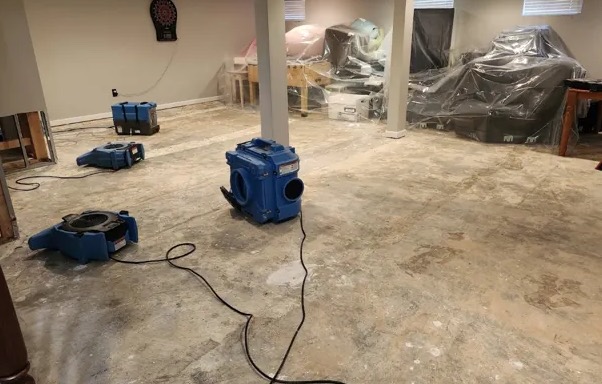
Expert Desiccant Dehumidification for Sandy Properties
Construction projects in Sandy can trap moisture in new concrete, drywall mud and framing. Flooring and finishes may fail if laid over damp materials.
A flood in a large Sandy building can need high-capacity drying. Local moisture removal pros serve Sandy and nearby Damascus, Estacada and Gresham, with help available around the clock.
Desiccant Dehumidification Options Available in Sandy
Crawl Space Drying
Crawl spaces are cool and damp, which suits desiccant units. Dry air is pushed in to pull moisture from the joists and subfloor.
Construction Drying Services
New construction can trap moisture in concrete, drywall mud and framing. Desiccant units help dry the building before finishes go in.
Emergency Dehumidification
Equipment is sized to the space on the first visit and adjusted each day based on readings.
Mold Prevention Drying
In contained work areas, desiccant dehumidifiers keep the air dry while damaged materials are removed and framing is cleaned.
Water Damage Dehumidification
After a leak or flood, dehumidifiers remove moisture from the air so wet drywall, wood and carpet can dry out.
When to Consider Desiccant Dehumidification in Sandy
Cold, Damp Feeling in Air
Air that feels cold and damp, especially in lower levels, can be too cool for standard dehumidifiers to work well.
Musty Smell in Stored Items
Boxes and fabrics that smell musty show the space has stayed damp too long.
Spongy Drywall or Soft Spots
Drywall that feels soft or spongy has absorbed water and may need removal if it does not dry.
High Humidity Readings on Meter
A hygrometer that keeps reading high humidity days after a leak shows the space is not drying.
How Desiccant Dehumidification Works in Sandy
Step 1: Moisture Mapping
Readings across walls, floors and framing show exactly where moisture remains in the building.
Step 2: Equipment Placement
Dehumidifiers and air movers are placed where the moisture readings are highest.
Step 3: Continuous Moisture Extraction
Drying runs until the wettest areas match the rest of the building.
Step 4: Confirmation and Reporting
A report shows the starting and final moisture readings for each area that was dried.
Origins of Dampness and Desiccant Dehumidification in Sandy Buildings
Poor Ventilation in Enclosed Areas
Closed, poorly ventilated spaces trap moisture and dry very slowly after water damage.
New Construction Moisture Trapped
New concrete, drywall mud and framing on job sites hold moisture until they are dried.
Severe Weather and Storm Flooding
Storms and flooding soak lower levels and leave large volumes of wet material.
Roof Leaks From Damaged Shingles
Roof leaks from damaged shingles soak attic insulation, roof decking and the ceilings below.
Both Residential and Commercial Desiccant Dehumidification in Sandy
Residential Desiccant Dehumidification
In homes, desiccant drying is most often used in crawl spaces and cool lower levels after leaks or floods. Standard units are used in warm rooms where they work well.
Commercial Desiccant Dehumidification
In commercial buildings, high-capacity desiccant units can dry large floors and high-ceiling spaces after sprinkler leaks or floods, with drying planned around business hours.
The Limits of DIY Desiccant Dehumidification in Sandy
For a small spill in a warm room, a household dehumidifier and fan may be enough. Call local moisture removal pros if drywall, flooring or framing got wet or the space is cool and damp.
Investing in Desiccant Dehumidification for Sandy Properties
In Sandy, starting drying right after a leak or flood usually shortens the job and lowers the total equipment cost.
Affected Area Size
Larger affected areas need more drying units and more air movers running at once.
Duration of Equipment Use
Drying usually takes several days, and each day of equipment use adds to the total.
Moisture Saturation Level
Materials that are fully soaked take longer to dry than lightly damp ones.
Does Insurance Cover Desiccant Dehumidification?
Many homeowner policies cover drying after sudden water damage, like a burst pipe, but not long-term humidity or groundwater problems. Check your policy and call your insurer early.
Selecting Local Pros for Desiccant Dehumidification in Sandy, Oregon
Damage Assessment
The full affected area is checked, including rooms next to and below the source.
Targeted Drying
Equipment is placed for the specific materials and spaces that are wet.
Post-Flood Drying
Floodwater cleanup is followed by drying that continues until readings are normal.
24/7 Desiccant Dehumidification for Sandy Emergencies
If the wet area has electrical hazards or sagging ceilings, stay clear and shut off power if it is safe. Then call (503) 224-3149 for help in Sandy.
Call Now (503) 224-3149Locations for Desiccant Dehumidification Around Sandy
Need desiccant dehumidification outside Sandy? Service also covers Damascus, Estacada and Gresham, including emergency drying after hours.
- Desiccant Dehumidification in Damascus
- Desiccant Dehumidification in Estacada
- Desiccant Dehumidification in Gresham
- Desiccant Dehumidification in Troutdale
- Desiccant Dehumidification in Happy Valley
- Desiccant Dehumidification in Wood Village
- Desiccant Dehumidification in Clackamas
- Desiccant Dehumidification in Sunnyside
- Emergency Damage Restoration in 97055
- Storm Damage Restoration in 97055
- Water Damage Restoration in 97055
- Water Extraction Service in 97055
- Water Leak Detection in 97055
- Water Removal Service in 97055
Desiccant Dehumidification FAQs
How are moisture levels monitored during drying?
With hygrometers for air and moisture meters for drywall, wood and concrete, checked every day.
What equipment is used for commercial building drying?
High-capacity desiccant or refrigerant dehumidifiers, air movers, moisture meters and sometimes ducting to direct dry air.
What is desiccant dehumidification used for?
Drying spaces after water damage where standard dehumidifiers struggle, such as cool crawl spaces, large buildings and dense materials.
What is involved in basement dehumidification after a flood?
Removing water, placing dehumidifiers and air movers and running them until concrete and framing read dry.
What is the goal of flood drying services?
To remove the moisture left after floodwater is pumped out so the building can be cleaned and repaired.