Beaverton, OR · Washington County
Desiccant Dehumidification in Beaverton, ORMold Prevention Drying & Flood Drying Services
Property owners in Beaverton get Desiccant Dehumidification for water damage dehumidification, crawl space drying and flood drying services.
Answered 24/7
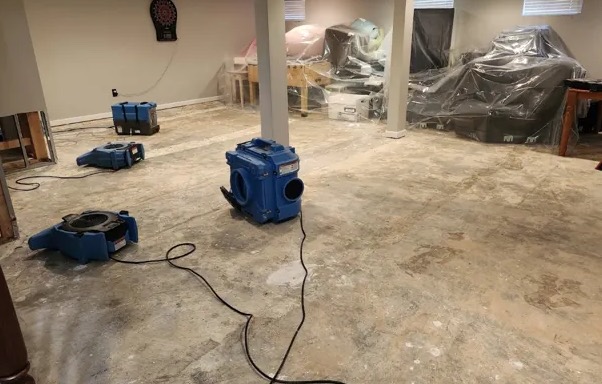
Desiccant Dehumidification Solutions in Beaverton, Oregon
Crawl spaces in Beaverton are cool, damp and tight, which slows drying with standard equipment. Desiccant units push dry air in to pull moisture from the joists and subfloor.
Property owners in Beaverton can call (503) 224-3149 day or night when water damage needs drying. Service also covers Cedar Hills, West Slope and Cedar Mill, with equipment sized to the space.
Comprehensive Desiccant Dehumidification for Beaverton
Mold Prevention Drying
Drying continues until readings on the remaining framing are normal, before walls are closed up again.
Flood Drying Services
Flood drying pairs desiccant units with air movers aimed at wet materials, with readings taken every day until the structure is dry.
Crawl Space Drying
Crawl spaces are cool and damp, which suits desiccant units. Dry air is pushed in to pull moisture from the joists and subfloor.
Construction Drying Services
Readings on slabs and framing show when materials are dry enough for the next stage of work.
Emergency Dehumidification
Equipment is sized to the space on the first visit and adjusted each day based on readings.
Red Flags for Desiccant Dehumidification in Beaverton Properties
Cold, Damp Feeling in Air
Air that feels cold and damp, especially in lower levels, can be too cool for standard dehumidifiers to work well.
Musty Smell in Stored Items
Boxes and fabrics that smell musty show the space has stayed damp too long.
Active Mold Spots
Dark spots appearing on walls or ceilings mean materials stayed damp long enough for mold.
High Humidity Readings on Meter
A hygrometer that keeps reading high humidity days after a leak shows the space is not drying.
How Desiccant Dehumidification Works in Beaverton
Step 1: Initial Damage Inspection
Humidity and moisture readings are taken across the affected area to set the drying plan.
Step 2: Deployment of Drying Equipment
Desiccant or standard dehumidifiers and air movers are placed based on the space and readings.
Step 3: Monitored Drying Cycle
Readings are logged daily, and equipment is moved or adjusted as each material dries.
Step 4: Completion and Clearance
Final readings confirm materials are dry, and the space is cleared for repairs.
What Leads to Humidity Damage Needing Desiccant Dehumidification in Beaverton
Roof Leaks From Damaged Shingles
Roof leaks from damaged shingles soak attic insulation, roof decking and the ceilings below.
Severe Weather and Storm Flooding
Storms and flooding soak lower levels and leave large volumes of wet material.
Poor Ventilation in Enclosed Areas
Closed, poorly ventilated spaces trap moisture and dry very slowly after water damage.
New Construction Moisture Trapped
New concrete, drywall mud and framing on job sites hold moisture until they are dried.
Residential and Commercial Desiccant Dehumidification in Beaverton
Residential Desiccant Dehumidification
Homes with wet attics after roof leaks may need attic drying equipment placed carefully on boards for safe footing.
Commercial Desiccant Dehumidification
Schools, offices and medical buildings may schedule equipment setup and removal after hours to limit disruption to staff and visitors.
The Limits of DIY Desiccant Dehumidification in Beaverton
For a small spill in a warm room, a household dehumidifier and fan may be enough. Call local moisture removal pros if drywall, flooring or framing got wet or the space is cool and damp.
Desiccant Dehumidification Cost in Beaverton, OR
Repairs after drying are a separate cost. In Beaverton, fully dried materials often mean fewer repairs are needed.
Access and Complexity
Crawl spaces, tight areas and large buildings take more effort to set up and monitor.
Additional Restoration Steps
Extraction, material removal and cleaning before drying are separate steps that add to the total.
Moisture Saturation Level
Materials that are fully soaked take longer to dry than lightly damp ones.
Does Insurance Cover Desiccant Dehumidification?
Daily humidity and moisture logs from local moisture removal pros help support an insurance claim for drying after water damage in Beaverton.
Why Choose Local Pros for Desiccant Dehumidification in Beaverton
Large Projects
Large buildings and job sites get drying plans that keep work and business moving.
Post-Flood Drying
Floodwater cleanup is followed by drying that continues until readings are normal.
Targeted Drying
Equipment is placed for the specific materials and spaces that are wet.
Round-the-Clock Desiccant Dehumidification in Beaverton, OR
Crawl space or lower level wet after a storm? Call (503) 224-3149 now for desiccant dehumidification in Beaverton before the framing stays damp.
Call Now (503) 224-3149Desiccant Dehumidification Near Beaverton: Areas Served
Nearby areas served for desiccant dehumidification include Cedar Hills, West Slope and Cedar Mill, with the same equipment and readings used in Beaverton.
- Desiccant Dehumidification in Cedar Hills
- Desiccant Dehumidification in West Slope
- Desiccant Dehumidification in Cedar Mill
- Desiccant Dehumidification in Raleigh Hills
- Desiccant Dehumidification in Garden Home
- Desiccant Dehumidification in West Haven-Sylvan
- Desiccant Dehumidification in Metzger
- Desiccant Dehumidification in Bull Mountain
- Emergency Damage Restoration in 97003
- Storm Damage Restoration in 97003
- Water Damage Restoration in 97003
- Water Extraction Service in 97003
- Water Leak Detection in 97003
- Water Removal Service in 97003
- Emergency Damage Restoration in 97005
- Storm Damage Restoration in 97005
Common Desiccant Dehumidification Questions Answered
How are moisture levels monitored during drying?
With hygrometers for air and moisture meters for drywall, wood and concrete, checked every day.
How do rapid drying methods protect my property?
They dry materials before they swell, warp or grow microbes, which keeps repairs smaller.
Why use desiccant drying after a fire?
Firefighting water soaks large areas, and high-capacity drying helps remove that moisture once debris is cleared.
How is emergency dehumidification different from standard service?
It starts right after a leak or flood, any time of day, so materials do not keep soaking up moisture.
What areas can benefit from moisture control services?
Crawl spaces, lower levels, attics, large commercial spaces and any room where materials got wet.