Garden Home, OR · Washington County
Concrete Water Damage Restoration in Garden Home, ORConcrete Slab Water Extraction & Patio Slab Drying Services
Concrete Water Damage Restoration in Garden Home includes concrete crack seepage repair notes, patio slab drying services and pool deck water removal.
Answered 24/7
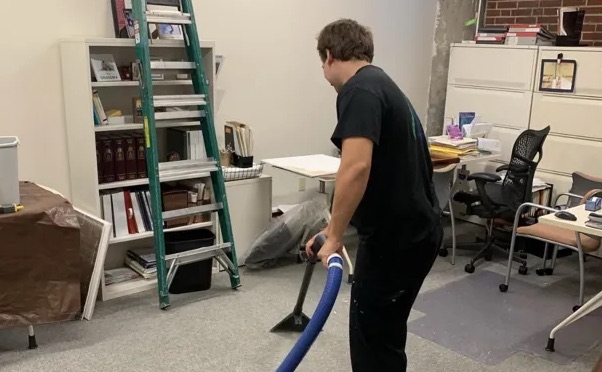
Expert Concrete Water Damage Restoration for Garden Home Homes
Concrete Water Damage Restoration in Garden Home often starts in the garage. Water heaters, washers and rain under the door spread water across the slab and into the base of the walls.
Property owners in Garden Home can call (503) 224-3149 day or night when water reaches a slab floor or garage. Service also covers Metzger, Raleigh Hills and West Slope, with the same steps.
Complete Concrete Water Damage Restoration for Garden Home
Concrete Slab Water Extraction
Readings across the slab show where moisture remains, which decides how long drying equipment needs to run.
Patio Slab Drying Services
Interior flooring next to a patio door is checked for water underneath and lifted if needed.
Sidewalk Water Damage Cleanup
Sidewalk cleanup after storms often goes along with drying entryways and floors inside the building.
Driveway Water Damage Restoration
Driveway concrete dries on its own outdoors. The work focuses on water that came into the garage or house, plus mud and debris cleanup.
Pool Deck Water Removal
Pool deck drainage that sends water toward the foundation is noted, since it can wet the slab and wall bases inside.
Indications for Concrete Water Damage Restoration in Garden Home
Spalling or Concrete Surface Flaking
Concrete surfaces that flake or pop off can be damaged by water that freezes and thaws inside them.
Standing Water on Concrete Slabs
Standing water on a slab floor or garage needs extraction before it soaks into flooring and wall bases.
Soft or Spongy Adjacent Soil
Soft, soggy soil next to a slab or foundation means water is collecting against the concrete.
Mold or Mildew on Slab Edges
Dark spots along slab edges and baseboards mean water has been sitting there for days.
How Concrete Water Damage Restoration Works in Garden Home
Step 1: Initial Damage Documentation
Photos record the water, the slab and any cracks or drainage problems before work begins.
Step 2: Bulk Water and Debris Removal
Water, mud and debris are cleared from slab floors, garages and entries before drying starts.
Step 3: Structural Drying Techniques
Drying equipment is aimed at the concrete and the wood resting on it until readings drop.
Step 4: Sanitization and Mold Prevention
Surfaces touched by dirty water are cleaned, and wall bases that stayed wet can be treated.
Common Causes of Concrete Water Damage in Garden Home
Sprinkler System Misalignment
Irrigation sprinklers aimed at walls and walkways keep concrete and wall bases wet.
Poor Drainage and Grading
Soil and concrete that slope toward the house send rainwater against the foundation.
Swimming Pool Leaks and Overflows
Pool overflows and leaks can send water across decks and toward the house.
Sewer Line Backups and Overflows
A blocked sewer line can back up through floor drains on a slab and soak the floor.
Residential & Commercial Concrete Water Damage Restoration in Garden Home
Residential Concrete Water Damage Restoration
Families with pools may see water from pool overflows reach the house. Interior floors and walls are dried.
Commercial Concrete Water Damage Restoration
Restaurants and shops with slab floors need water removed and floors dried quickly so customers and staff can walk safely.
Hiring Local Pros for Concrete Water Damage Restoration vs Self-Service in Garden Home
You can move stored items off a wet garage floor, clear debris from drains and take photos. Drying concrete under flooring or along wall bases needs readings and equipment.
Understanding Concrete Water Damage Restoration Cost in Garden Home
Concrete dries slowly, so drying equipment days often make up much of the cost of concrete water damage restoration in Garden Home.
Water Depth and Saturation
Water that soaked deep into concrete takes longer to dry than water caught on the surface.
Required Drying Duration
Concrete can take several days to dry, and each extra day of equipment adds cost.
Crack and Seepage Severity
Active seepage through cracks can keep rewetting the area until the crack is sealed.
Does Insurance Cover Concrete Water Damage Restoration?
Repairs to driveways, patios and walkways are usually treated separately from interior water damage. Ask your adjuster how your policy handles each.
Reasons to Select Local Pros for Concrete Water Damage Restoration in Garden Home
Industry Drying Standards
Drying follows industry water damage standards, with readings taken at every visit.
Damage Documentation
Photos, readings and drying logs are kept to support your insurance claim.
24/7 Emergency Response
Help is available day or night when water is spreading across a slab floor or garage.
24/7 Emergency Concrete Water Damage Restoration in Garden Home
If water is near outlets or appliances on a wet slab, shut off power at the panel if it is safe and stay clear. Then call (503) 224-3149 for help in Garden Home.
Call Now (503) 224-3149Concrete Water Damage Restoration Serving Garden Home and Beyond
Need concrete water damage restoration outside Garden Home? Service also covers Metzger, Raleigh Hills and West Slope, including emergency help after storms.
- Concrete Water Damage Restoration in Metzger
- Concrete Water Damage Restoration in Raleigh Hills
- Concrete Water Damage Restoration in West Slope
- Concrete Water Damage Restoration in Tigard
- Concrete Water Damage Restoration in Beaverton
- Concrete Water Damage Restoration in Bull Mountain
- Concrete Water Damage Restoration in Cedar Hills
- Concrete Water Damage Restoration in West Haven-Sylvan
Concrete Water Damage Restoration FAQs Answered
Why is concrete foundation drying important?
Sill plates and wall bases resting on wet concrete stay damp until the concrete dries, which can lead to rot and odors.
How is concrete mold prevention achieved after water damage?
By drying the slab and the materials on it quickly and treating wall bases and sill plates that stayed wet.
When is basement floor water extraction needed?
Whenever water is standing on a basement slab or soaking flooring and wall bases after seepage or a leak.
Does drying wet concrete prevent mold growth?
It helps a lot. Mold usually starts on wood, drywall and flooring sitting on damp concrete, so drying protects them.
How does concrete slab water extraction work?
Standing water is pumped or extracted, flooring that traps water is lifted, and the slab is dried with dehumidifiers and air movers.