Dayton, OR · Yamhill County
Ceiling Water Extraction in Dayton, ORWet Ceiling Drywall Removal & Ceiling Leak Water Cleanup
During a storm, Ceiling Water Extraction in Dayton means roof leak water removal, emergency ceiling water extraction and ceiling leak water cleanup.
Answered 24/7
Local Ceiling Water Extraction Services for Dayton Homes
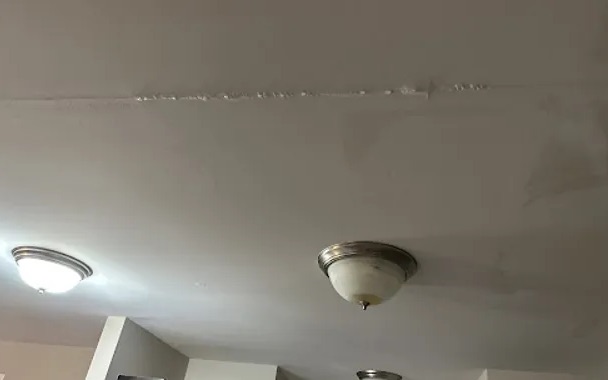
Ceilings under bathrooms and laundry rooms in Dayton take water from overflows, failed wax rings and supply line leaks. The first sign is usually a stain below the fixture.
Homes and businesses in Dayton and nearby Lafayette, St. Paul and Dundee see ceiling leaks from roofs, attic AC units and upstairs plumbing. Help with ceiling water extraction covers draining, extraction, cavity drying and repair.
Detailed Ceiling Water Extraction Services for Dayton
Wet Ceiling Drywall Removal
Wet drywall left in place keeps the joists damp and can still fall, so removing it is often the safer choice.
Ceiling Leak Water Cleanup
Fallen drywall and soaked insulation are bagged and removed, and the floor below is extracted and dried.
Ceiling Mold Prevention Services
After drying, framing and drywall edges that were damp for days can be cleaned and treated before the ceiling is closed.
Ceiling Moisture Inspection
An inspection shows how far water spread across the ceiling, which decides what is drained, dried or removed.
Ceiling Cavity Drying Services
The cavity is checked with readings each day, and equipment is moved until every part of it reads dry.
Symptoms That Demand Ceiling Water Extraction in Dayton
Dripping Sounds Behind Walls
Dripping sounds inside walls below a ceiling leak can mean water is running down the wall cavity.
Water Pooling on the Floor
Water pooling on the floor below the ceiling needs extraction to protect flooring and furniture.
Wet Spots or Dampness to Touch
Ceiling spots that feel damp or cool to the touch are holding water inside or above them.
Dark Water Stains or Discoloration
Dark stains or rings on the ceiling show where water has soaked into the drywall from above.
How Ceiling Water Extraction Works in Dayton
Step 1: Emergency Assessment and Containment
The room is cleared, floors are covered and power to wet light fixtures is turned off.
Step 2: Water Extraction From Ceiling
Trapped water is drained through a controlled opening and the floor below is extracted.
Step 3: Ceiling Cavity Drying
Air movers and dehumidifiers dry the joists and insulation above the ceiling, with readings daily.
Step 4: Verification and Moisture Mapping
Final readings across the ceiling confirm it is dry before repairs begin.
Sources of Water Requiring Ceiling Water Extraction in Dayton
Overflowing or Leaking Appliances
Washers, dishwashers and water heaters on upper floors can leak into the ceiling below.
Failed Bathroom Waterproofing
Cracked grout, failed shower pans and worn wax rings let bathroom water into the floor below.
Roof Leaks From Storm Damage
Storm damage to shingles and flashing lets rain into the attic and onto the ceiling below.
Condensation From HVAC Systems
Attic air handlers overflow when the condensate line clogs or the drain pan cracks.
Ceiling Water Extraction for Homes and Businesses in Dayton
Residential Ceiling Water Extraction
Families can usually stay home during ceiling drying, using other rooms while the affected room is closed off.
Commercial Ceiling Water Extraction
In medical offices and restaurants, ceiling work is contained so dust and debris stay away from patients, food and customers.
Ceiling Water Extraction vs. DIY: When to Call the Pros
If a small stain appeared and the drywall is firm, you can fix the source and watch it. If the stain grows or the ceiling softens, call (503) 224-3149 to have it checked and dried.
Estimating Ceiling Water Extraction Costs in Dayton
Insulation replacement, texture matching, storm calls and wet walls below all add to the total for ceiling water extraction in Dayton.
Moisture Inspection Complexity
Leaks that travel far before dripping take more inspection to trace and map.
Ceiling Height and Accessibility
High, vaulted or stairwell ceilings need ladders or lifts, which adds time and equipment.
Mold Prevention Measures
Antimicrobial treatment of joists and drywall that stayed wet is an added step.
Does Insurance Cover Ceiling Water Extraction?
Many homeowner policies cover ceiling damage from sudden leaks, like a burst pipe or storm damage, but not slow leaks or worn roofing. Check your policy and call your insurer early.
The Value of Local Pros for Ceiling Water Extraction in Dayton
Damage Documentation
Photos, readings and drying logs are kept to support your insurance claim.
Drying Verification
Final readings confirm the cavity is dry before any patching or painting begins.
Moisture Detection
Meters and thermal cameras show how far water spread above the ceiling, beyond the stain.
24/7 Emergency Ceiling Water Extraction for Dayton
The sooner water is drained from a ceiling, the less drywall must be replaced. Call (503) 224-3149 for ceiling water extraction in Dayton right away.
Call Now (503) 224-3149Ceiling Water Extraction Near Dayton: Areas Served
Help with ceiling water extraction is also available in communities near Dayton, including Lafayette, St. Paul and Dundee, for roof leaks, upstairs overflows and burst pipes.
- Ceiling Water Extraction in Lafayette
- Ceiling Water Extraction in St. Paul
- Ceiling Water Extraction in Dundee
- Ceiling Water Extraction in McMinnville
- Ceiling Water Extraction in Carlton
- Ceiling Water Extraction in Amity
- Ceiling Water Extraction in Newberg
- Ceiling Water Extraction in Gervais
- Emergency Damage Restoration in 97114
- Storm Damage Restoration in 97114
- Water Damage Restoration in 97114
- Water Extraction Service in 97114
- Water Leak Detection in 97114
- Water Removal Service in 97114
Your Ceiling Water Extraction Questions Resolved
How does ceiling mold prevention work after water extraction?
Fast drying is the main step. Joists and drywall that stayed wet can be treated with an antimicrobial once dry.
What is the difference between extraction and drying for a ceiling?
Extraction removes the liquid water. Drying removes the moisture left in the joists, insulation and drywall.
What equipment is used for water extraction from a ceiling?
Buckets and wet vacs for draining, extractors for the floor, air movers, dehumidifiers, meters and thermal cameras.
How quickly should I deal with water in my ceiling?
Right away. Water adds weight to the drywall and keeps soaking in, and a bulging ceiling can fall without warning.
What happens during ceiling leak water cleanup?
Water, wet insulation and fallen drywall are removed from above and below, and the room is cleaned and dried.