Hillsboro, OR · Washington County
Basement Water Removal in Hillsboro, ORBasement Moisture Inspection & Basement Wall Drying
After a burst pipe or storm, Basement Water Removal in Hillsboro means basement water pump out, basement wall drying and basement drying services.
Answered 24/7
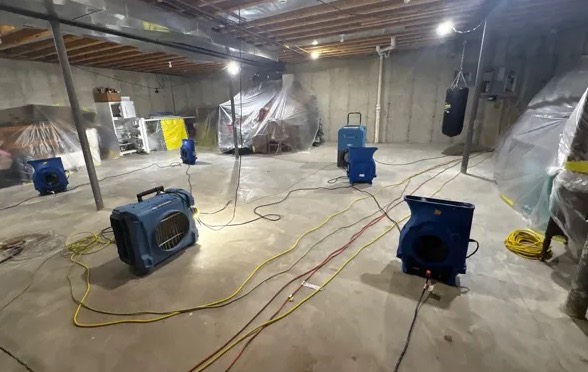
Professional Basement Water Removal in Hillsboro, OR
Dehumidification is the slow but necessary part of basement water removal in Hillsboro. Pumps remove standing water quickly, but walls and concrete keep releasing moisture for days.
Homes in Hillsboro and nearby Cornelius, North Plains and Forest Grove with basements face storm seepage, sewer backups and plumbing leaks. Help with basement water removal covers pump-out, wall and floor drying and dehumidification.
Comprehensive Basement Water Removal Solutions
Basement Moisture Inspection
An inspection shows how high water wicked up the walls and how far it spread under flooring, which sets the drying plan.
Basement Wall Drying
Opening the bottom of finished walls lets air reach the studs and sill plate, which otherwise stay wet behind the drywall.
Sump Pump Failure Water Cleanup
A backup pump or battery system is worth discussing with a plumber after the cleanup, since sump failures often repeat in storms.
Emergency Basement Flooding
A flooded basement threatens the furnace, water heater and anything stored on the floor. Fast pumping protects what can still be saved.
Basement Water Pump Out
A pump-out removes standing water from the basement with submersible pumps, discharging it outside and away from the foundation.
Signs of Basement Water Damage in Hillsboro
Soggy or Wet Carpeting
Carpet that feels damp or smells sour is holding water in the pad against the concrete.
Mold or Mildew
Dark spots on drywall, framing or stored items mean the area has stayed wet for days.
High Humidity and Condensation
Water on pipes and windows, or a constantly clammy feel, means basement humidity is too high.
Gurgling Sounds From Drains
Gurgling floor drains or slow drains can be an early sign of a sewer line problem.
How Basement Water Removal Works in Hillsboro
Step 1: Emergency Water Extraction
Power is made safe, then pumps and extractors remove standing water from the basement floor.
Step 2: Detailed Moisture Inspection
Meters map wet walls, framing and slab areas, including behind finished walls and under flooring.
Step 3: Drying and Dehumidification
Air movers and large dehumidifiers run continuously, with readings checked every day.
Step 4: Final Verification and Monitoring
Readings are compared to dry areas, and equipment is removed only when the basement tests dry.
Common Causes of Basement Flooding in Hillsboro
Plumbing Leaks or Pipe Bursts
Supply lines, drain pipes and water heaters in the basement can leak or burst onto the floor.
Improper Landscape Grading
Soil that slopes toward the house directs rainwater straight to the basement walls.
High Water Table and Hydrostatic Pressure
A high water table presses groundwater against the slab and walls, forcing it inside.
Clogged or Damaged Gutters
Clogged gutters and short downspouts dump roof water right next to the foundation.
Basement Water Removal for Homes and Businesses
Residential Basement Water Removal
Finished basements used as bedrooms or family rooms need careful moisture checks behind walls and under flooring, since that is where water hides.
Commercial Basement Water Removal
Businesses with below-grade storage need wet inventory moved out and documented. Drying is planned around daily operations wherever possible.
Professional Basement Water Removal Versus Do-It-Yourself
Do not step into basement water if cords, outlets or appliances are in it. Shut off power at the panel only if you can reach it from a dry spot, then call (503) 224-3149.
Investing in Professional Basement Water Removal
Waterproofing and drainage work are separate costs. In Hillsboro, they may be needed to stop the next flood.
Drying Time Required
Basements dry slowly, and each extra day of equipment adds to the total.
Affected Materials
Finished walls, carpet and laminate take more removal work than bare concrete.
Additional Services
Antimicrobial treatment, contents cleaning and repairs after drying add to the cost.
Does Insurance Cover Basement Water Removal?
Many homeowner policies cover sudden basement water from a burst pipe but not groundwater seepage. Sewer backup coverage is often an add-on, so check yours.
The Value of Professional Basement Water Removal
Clear Communication
You get plain updates on what was found, what was removed and how drying is going.
Moisture Inspection
Meters and thermal cameras find water in walls, floors and slab that looks dry.
Detailed Damage Documentation
Photos, readings and drying logs are kept to support your insurance claim.
24/7 Emergency Basement Water Removal in Hillsboro
If water is near outlets, the furnace or the electrical panel, stay out of it. Call (503) 224-3149 for help in Hillsboro and wait for power to be made safe.
Call Now (503) 224-3149Basement Water Removal Near Hillsboro: Areas Served
Nearby areas served for basement water removal include Cornelius, North Plains and Forest Grove, with the same pumping and drying steps used in Hillsboro.
- Basement Water Removal in Cornelius
- Basement Water Removal in North Plains
- Basement Water Removal in Forest Grove
- Basement Water Removal in Rockcreek
- Basement Water Removal in Aloha
- Basement Water Removal in Oak Hills
- Basement Water Removal in Bethany
- Basement Water Removal in Cedar Mill
- Emergency Damage Restoration in 97123
- Storm Damage Restoration in 97123
- Water Damage Restoration in 97123
- Water Extraction Service in 97123
- Water Leak Detection in 97123
- Water Removal Service in 97123
- Emergency Damage Restoration in 97124
- Storm Damage Restoration in 97124
Answers to Top Basement Water Removal Queries
How long does basement drying take?
Often several days or longer, because concrete and cool basement air hold moisture. Daily readings show when it is done.
Does basement flood cleanup include mold prevention?
Fast drying is the main prevention. Wood and concrete that stayed wet can be treated with an antimicrobial once dry.
What happens during basement moisture control?
Dehumidifiers and air movers keep humidity low while materials dry, and readings confirm when the space is normal.
What causes basement floor water damage?
Storm seepage, burst pipes, appliance leaks, foundation cracks and sewer backups through floor drains are the usual sources.
Why is basement dehumidification important after pumping?
Walls and concrete keep releasing moisture for days. Dehumidifiers remove it so the basement does not stay damp.