Independence, OR · Polk County
Basement Water Damage Restoration in Independence, ORBasement Sewer Backup Cleanup & Basement Dehumidification
Basement Water Damage Restoration in Independence includes emergency basement flood cleanup, basement sewer backup cleanup and basement wall drying.
Answered 24/7
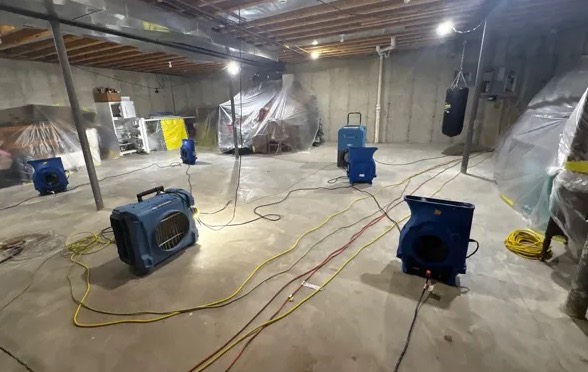
Expert Basement Water Damage Restoration Serving Independence
Basements collect water from every direction: rain seeping through walls, groundwater pushing up through the slab, sewage backing up through floor drains and pipes bursting overhead. In an Independence home with a basement or below-grade room, any of these can leave inches of water on the floor.
Homeowners in Independence can call (503) 224-3149 day or night when water is rising in the basement. Service also covers Monmouth, Salem and Turner, with the same pumping and drying steps.
The Basement Water Damage Restoration Process in Independence
Basement Sewer Backup Cleanup
Porous materials touched by sewage, such as carpet, pad and lower drywall, are removed. Concrete and framing are cleaned and disinfected.
Basement Dehumidification
Large dehumidifiers pull moisture from the basement air so walls, framing and the slab can release their water.
Basement Mold Prevention
Keeping basement humidity low after drying helps prevent mold from returning, especially in finished spaces.
Basement Wall Drying
Finished basement walls hide wet insulation and framing. Removing the bottom of the drywall lets air reach the cavity.
Basement Drying Services
Drying a basement takes longer than drying an upper floor because the air is cool and the concrete holds moisture.
Warning Signs You Need Basement Water Damage Restoration
Condensation on Windows or Pipes
Water beading on cold pipes or basement windows shows high humidity that keeps materials damp.
Efflorescence on Concrete Walls
White, chalky deposits on concrete walls mean water is moving through the concrete and leaving minerals behind.
Sump Pump Failure or Overflow
A sump pump that runs constantly, fails to start or lets the pit overflow puts the basement at risk.
High Humidity Levels Below-Grade
A basement that stays damp and clammy even on dry days has a moisture source that needs attention.
How Basement Water Damage Restoration Works in Independence
Step 1: Initial Assessment and Water Removal
The source and type of water are identified, and standing water is removed right away.
Step 2: Focused Drying of Materials
Walls, framing and the slab are dried with directed airflow, with wet insulation removed.
Step 3: Air Quality Management
Air scrubbers filter dust and odors from removal work while drying continues.
Step 4: Documentation for Restoration
Photos, readings and a list of removed materials are prepared for insurance and rebuilding.
Frequent Sources of Water Damage in Independence
Stormwater Runoff Into Lower Levels
Heavy rain running off hard ground or a sloped yard can pour down stairwells and under doors into below-grade rooms.
Faulty Basement Waterproofing
Old or failed waterproofing on foundation walls lets water through during wet weather.
Sump Pump Mechanical Failure
A sump pump that fails, loses power or is too small lets groundwater rise into the basement.
Clogged Floor Drains
A floor drain blocked by debris cannot carry off water from a leak or overflow, so it spreads across the basement floor.
Both Residential & Commercial Basement Water Damage Restoration in Independence
Residential Basement Water Damage Restoration
Homeowners with older basements may have seepage that returns with each storm. Drying fixes the current damage, and the source is noted for a waterproofing contractor.
Commercial Basement Water Damage Restoration
Apartment and condo buildings with shared basements or lower levels may have laundry and storage below grade. Each area is extracted, dried and recorded for the building manager.
When to DIY and When to Call the Pros for Basement Water Damage Restoration
Keeping gutters and downspouts clear and checking water heater and washer hoses are good DIY steps before storm season. Once water is on the floor, call (503) 224-3149.
Factors Affecting Basement Water Damage Restoration Cost in Independence
Before pricing basement water damage restoration in Independence, the pros check the water depth, the type of water and what the basement is finished with.
Access Complexity
Narrow stairs, low ceilings and stored contents can make the work slower.
Emergency Service
Night, weekend and storm calls can cost more than a scheduled visit.
Affected Square Footage
Larger basements need more extraction, more drying equipment and more days of drying time.
Does Insurance Cover Basement Water Damage Restoration?
Photos, moisture readings and drying logs from local water removal pros help support an insurance claim for basement water damage in Independence.
Why Choose Local Pros for Basement Water Damage Restoration in Independence
Industry Drying Standards
Drying follows industry water damage standards, with readings taken at every visit.
Advanced Moisture Detection
Moisture meters and thermal cameras find water in walls and slabs that looks dry.
Mold Prevention Focus
Fast drying is the main way to limit microbial growth in a below-grade space.
Round-the-Clock Emergency Basement Water Damage Restoration in Independence
If water is near outlets or the electrical panel, do not walk into it. Call (503) 224-3149 for help in Independence and wait for the power to be made safe.
Call Now (503) 224-3149Basement Water Damage Restoration Serving Independence, Monmouth, Salem and Turner
Help with basement water damage restoration is also available in communities near Independence, including Monmouth, Salem and Turner, for flooded basements and sewer backups.
- Basement Water Damage Restoration in Monmouth
- Basement Water Damage Restoration in Salem
- Basement Water Damage Restoration in Turner
- Basement Water Damage Restoration in Four Corners
- Basement Water Damage Restoration in Keizer
- Basement Water Damage Restoration in Jefferson
- Basement Water Damage Restoration in Hayesville
- Basement Water Damage Restoration in Aumsville
- Emergency Damage Restoration in 97351
- Storm Damage Restoration in 97351
- Water Damage Restoration in 97351
- Water Extraction Service in 97351
- Water Leak Detection in 97351
- Water Removal Service in 97351
Your Basement Water Damage Restoration Questions Addressed
Why is dehumidification so important after basement water removal?
Basements hold moisture in the air and concrete. Without dehumidifiers, walls and framing stay damp long after the water is gone.
What does below-grade moisture removal include beyond pumping?
Extracting carpet and pad, opening wet walls, running air movers and dehumidifiers, and checking readings until dry.
Should I try below-grade waterproofing myself after flooding?
Sealing a small crack can be a DIY job, but drying must come first, and larger waterproofing work should go to a contractor.
What are signs of hidden moisture after below-grade water extraction?
Musty smells, tide lines on walls, damp carpet edges and moisture readings that stay high in walls or the slab.
How is basement sewer backup cleanup different from regular flooding?
Sewage carries bacteria, so it needs protective gear, removal of porous materials and disinfection before drying.