Cedar Mill, OR · Washington County
Attic Water Removal in Cedar Mill, ORAttic Moisture Inspection & Attic Leak Water Cleanup
Attic Water Removal in Cedar Mill includes emergency attic water extraction, ceiling water damage cleanup and attic drying services after a leak.
Answered 24/7
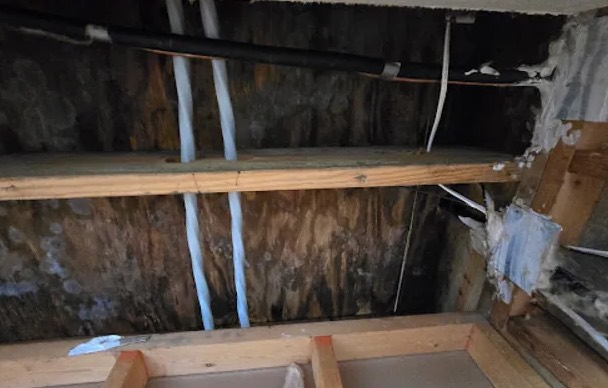
Expert Attic Water Removal for Cedar Mill
An attic leak is easy to miss and expensive to ignore. In Cedar Mill, water from a roof, pipe or AC pan can soak insulation and decking for weeks, then show up all at once as a stained or sagging ceiling.
In Cedar Mill, Cedar Hills, Oak Hills and West Haven-Sylvan, many attic leaks go unnoticed until the ceiling stains. The pros get the water and wet insulation out before the ceiling has to be replaced.
Specialized Attic Water Removal for Cedar Mill
Attic Moisture Inspection
Moisture meters and thermal cameras check rafters, decking, insulation and the ceiling below, even in spots that look dry.
Attic Leak Water Cleanup
Cleanup focuses on the low spots where water collects: the bays between joists, the area around the hatch and the space under an air handler.
Attic Mold Prevention
Fast drying is the main protection. Antimicrobial treatment is added only where framing and decking stayed wet long enough to need it.
Roof Leak Water Removal
A temporary tarp over the damaged section keeps more rain out until the roofer can make a permanent repair.
Emergency Attic Water Extraction
Water sitting on top of ceiling drywall adds weight fast. Removing it quickly can mean the difference between drying a ceiling and replacing it.
Symptoms Requiring Attic Water Removal in Cedar Mill
Wet or Damp Attic Insulation
Insulation that feels damp, looks dark or has packed down in one area has absorbed water.
Rotting Wood on Attic Beams
Soft, dark or crumbling wood on rafters and beams points to long-term moisture.
Visible Mold in Attic Spaces
Dark spots on rafters or roof decking mean the wood has stayed damp for days or longer.
Sagging or Bubbling Ceiling Drywall
Ceiling drywall that sags, bulges or bubbles at the seams is holding water and may fall.
How Attic Water Removal Works in Cedar Mill
Step 1: Initial Attic Water Damage Assessment
The pros check safety, find the source and map the wet area with moisture meters.
Step 2: Bulk Water and Material Removal
Pooled water, soaked insulation and any sagging drywall are removed from the attic and ceiling.
Step 3: Attic Drying and Evaporation
Warm, dry airflow is aimed at wet wood, with dehumidifiers removing the moisture it releases.
Step 4: Attic Mold Prevention
Once dry, decking and framing that stayed wet can be cleaned and treated with an antimicrobial.
Frequent Sources of Attic Water Damage in Cedar Mill
Roof Leaks From Damaged Shingles
Cracked, missing or lifted shingles let rain reach the decking and drip into the attic.
Overflow From Clogged Bathroom Exhaust Ducts
Bathroom fan ducts that are loose or vented into the attic release moisture onto the wood.
Condensation From Poor Attic Ventilation
Moist air from the house condenses on roof decking when attic ventilation is poor.
HVAC System Leaks or Drain Pan Overflow
An attic air handler overflows when its condensate line clogs or the drain pan cracks.
Home and Business Attic Water Removal Solutions
Residential Attic Water Removal
In houses, attic water usually reaches a bedroom or hallway ceiling. Water and wet insulation are removed from above, and the ceiling below is dried or replaced.
Commercial Attic Water Removal
In commercial buildings, water above a drop ceiling soaks tiles and insulation over several rooms. Wet tiles are removed and the plenum space above is dried.
Choosing Between DIY and the Pros for Attic Water Removal
If you can do it safely, look into the attic with a flashlight to find the wet area. Removing soaked insulation and drying the framing needs boards, protective gear and equipment.
What Affects Attic Water Removal Cost in Cedar Mill
Tight attic access, blown-in insulation removal and storm-night calls all add to the total for attic water removal in Cedar Mill.
Access and Attic Complexity
Low headroom and small access hatches make attic work slower than open spaces.
Extent of Water Damage
A leak confined to one bay costs less than water spread across the attic and the rooms below.
Water Contamination Level
Clean rainwater is simpler to handle than water from a drain line or other dirty source.
Does Insurance Cover Attic Water Removal?
Many homeowner policies cover sudden attic leaks from storms or burst pipes, but not damage from worn roofing or slow leaks. Read your policy and call your insurer early.
Why Choose Local Pros for Attic Water Removal in Cedar Mill
Post-Cleanup Verification
Final readings confirm the attic is dry before new insulation goes in.
Mold Inhibitor Application
Wood that stayed wet can be treated with an antimicrobial after it is dried.
24/7 Emergency Response
Help is available day or night when water is coming through the ceiling.
24-Hour Emergency Attic Water Removal Near Cedar Mill
If water is dripping from a light fixture, shut off that circuit at the panel and keep clear. Then call (503) 224-3149 for help in Cedar Mill.
Call Now (503) 224-3149Communities Served for Attic Water Removal
Help with attic water removal reaches Cedar Hills, Oak Hills and West Haven-Sylvan, plus other communities around Cedar Mill, for one-story and two-story homes alike.
Common Attic Water Removal Queries Answered
Why is emergency attic drying important?
Wet wood and drywall break down quickly. Drying fast saves more of the ceiling and lowers the risk of microbial growth.
How can mold be prevented after attic water removal?
By drying wood quickly, fixing ventilation problems and treating framing that stayed wet with an antimicrobial.
What happens during wet attic cleanup?
Water, wet insulation and debris are removed, stored items are moved out and the attic floor is cleaned before drying.
How long does attic drying take?
Often several days, depending on how wet the wood is, the attic temperature and how much insulation was removed.
How do professionals dry an attic?
With air movers and dehumidifiers placed on boards across the joists, checking moisture readings daily until the wood is dry.