Hayesville, OR · Marion County
Attic Water Extraction in Hayesville, ORAttic Leak Water Cleanup & Ceiling Water Damage Cleanup
Get attic water extraction in Hayesville for attic moisture inspection, wet attic insulation removal and attic mold prevention after a leak.
Answered 24/7
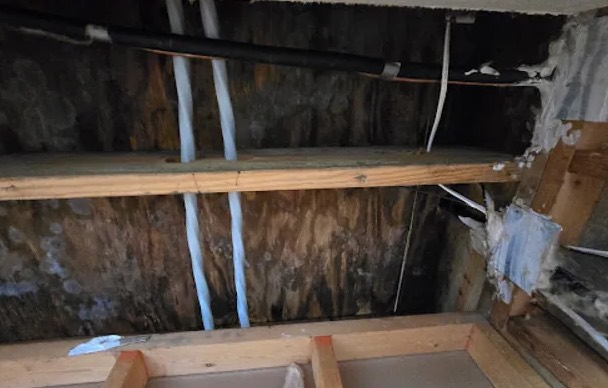
Attic Water Extraction Solutions in Hayesville, Oregon
Attic water is hard to reach. Joists are narrow, headroom is low and the ceiling drywall cannot hold a person's weight. In Hayesville, extraction in an attic takes boards, lighting and careful footing.
A storm in Hayesville can push water into an attic in one night. Local water removal experts serve Hayesville and nearby Keizer, Four Corners and Salem, with extraction available around the clock.
Detailed Attic Water Extraction Offerings in Hayesville
Attic Leak Water Cleanup
Water from a roof or plumbing leak usually runs along rafters before it drips. Cleanup follows that path and removes water wherever it pooled.
Ceiling Water Damage Cleanup
A ceiling holding water is punctured in a controlled way to drain it into buckets, then the soaked section is cut out.
Wet Attic Insulation Removal
Insulation is removed only where it got wet. Dry insulation nearby is left in place and protected during the work.
Attic Drying Services
Air movers and dehumidifiers are set on boards across the joists to dry rafters, decking and the ceiling below safely.
Roof Leak Water Removal
Roof leaks often show up far from where they start. Moisture meters trace the water back along the decking to its entry point.
Warning Signs You Need Attic Water Extraction in Hayesville
Increased Indoor Humidity
Upstairs rooms that feel humid or clammy may have moisture coming down from the attic.
Sagging or Bulging Ceilings
A ceiling that bulges or droops is holding water and can fall. Keep people out of the room below.
Peeling Paint or Wallpaper
Paint that bubbles or peels on upstairs ceilings often has water behind it.
Insect Infestations in Attic
Wet wood draws insects, so new activity in the attic can be a sign of an ongoing leak.
How Attic Water Extraction Works in Hayesville
Step 1: Emergency Water Extraction
Active drips are caught and pooled water is vacuumed from the decking and drywall tops right away.
Step 2: Wet Insulation Removal
Soaked insulation is bagged and removed so air can reach the wood and the ceiling drywall below.
Step 3: Attic Drying Process
Air movers and dehumidifiers are set on boards across the joists and run until readings drop.
Step 4: Final Moisture Inspection
Readings on decking, rafters and the ceiling confirm the attic is dry before new insulation goes in.
What Leads to Attic Water Extraction Needs in Hayesville
Gutter and Downspout Blockages
Clogged gutters and downspouts let water back up under the roof edge.
Skylight or Chimney Flashing Failure
Worn flashing around skylights and chimneys lets rain run down into the attic.
Attic Appliance Malfunction
Water heaters, humidifiers and other attic equipment can fail and leak with no warning.
HVAC System Condensate Overflow
AC air handlers in the attic overflow when the condensate line clogs or the pan cracks.
Attic Water Extraction for Homes and Businesses in Hayesville
Residential Attic Water Extraction
At home, attic water usually ends up on a bedroom or hallway ceiling. Water is extracted from above, wet insulation removed and the ceiling below dried or replaced.
Commercial Attic Water Extraction
In commercial buildings, water above a drop ceiling soaks tiles and insulation across several rooms. Wet tiles come down and the space above them is extracted and dried.
Professional Attic Water Extraction or DIY in Hayesville?
If it is safe, you can look into the attic with a flashlight to find the wet area. Removing water and insulation from between joists takes boards, protective gear and drying equipment.
Factors in Attic Water Extraction Pricing in Hayesville, OR
Storm calls, tight attic access, insulation replacement and ceiling repair all add to the total for attic water extraction in Hayesville.
Mold Prevention Steps
Antimicrobial treatment of wood that stayed wet is an added step, priced by area.
Extent of Water Damage
More water and a larger wet area mean more extraction time and more drying equipment.
Size of the Affected Area
A leak that spread across the whole attic costs more than one confined to a single bay.
Does Insurance Cover Attic Water Extraction?
Many homeowner policies cover sudden storm damage and burst pipes in the attic, but not leaks from worn roofing or poor upkeep. Read your policy and call your insurer early.
Why Choose Local Pros for Attic Water Extraction in Hayesville
Detailed Documentation
Photos, readings and drying logs are kept to support your insurance claim.
Mold Prevention Focus
Fast drying of attic wood is the main way to limit microbial growth after a leak.
Roof Leak Location
The leak point is marked and photographed so the roofer can fix the right spot.
Urgent Attic Water Extraction Available in Hayesville
The longer insulation stays wet, the more ceiling has to be replaced. Call (503) 224-3149 for attic water extraction in Hayesville as soon as you see a drip.
Call Now (503) 224-3149Attic Water Extraction for Hayesville and Surrounding Communities
Attic extraction and drying also cover homes and buildings in Keizer, Four Corners and Salem, close to Hayesville, at any hour.
Your Attic Water Extraction Questions in Hayesville, OR
Can wet attic insulation be saved?
Lightly damp areas sometimes dry, but soaked or matted insulation is usually removed and replaced after the attic is dry.
Does a roof leak always cause attic water damage?
Almost always some. Even a small leak wets the decking and insulation, which should be checked and dried.
What equipment is used for attic drying services?
Air movers, dehumidifiers, moisture meters and thermal cameras, plus wet vacs and HEPA vacuums for water and insulation removal.
Is microbial growth common after an attic leak?
It is more likely when wood and insulation stay wet for days. Fast extraction and drying lower that risk.
Can I remove attic water myself?
Small drips onto plastic can be handled, but pooled water and soaked insulation need safe footing, equipment and drying.