Dayton, OR · Yamhill County
Attic Water Extraction in Dayton, ORCeiling Water Damage Cleanup & Roof Leak Water Removal
Attic Water Extraction in Dayton includes attic leak water cleanup, roof leak water removal and ceiling water damage cleanup.
Answered 24/7
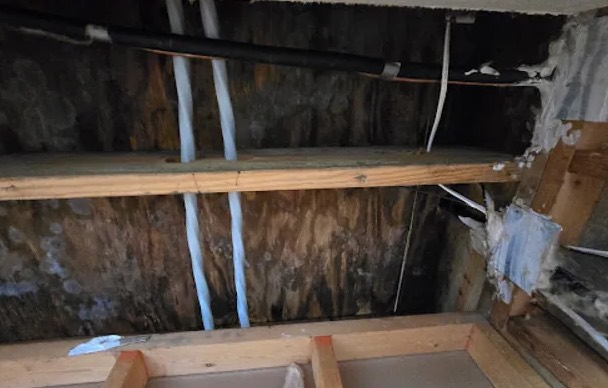
Professional Attic Water Extraction in Dayton, OR
Attic Water Extraction in Dayton is planned around safety. Wet wiring, light fixtures and sagging drywall are checked before anyone works in the attic or the room below.
In Dayton, attic extraction calls often follow heavy rain or a clogged AC drain line. Local attic water extraction pros serve Dayton, Lafayette, St. Paul and Dundee, removing water and wet insulation and drying the ceiling below.
Attic Water Extraction and Damage Mitigation in Dayton
Ceiling Water Damage Cleanup
A ceiling holding water is punctured in a controlled way to drain it into buckets, then the soaked section is cut out.
Roof Leak Water Removal
Rain that entered through damaged shingles, flashing or vents is extracted, and the leak point is photographed so the roofer can find it.
Emergency Attic Water Extraction
Help is available any hour, because water sitting on top of a ceiling can bring the drywall down within a day.
Attic Moisture Inspection
Moisture meters and thermal cameras check decking, rafters, insulation and ceiling drywall for water that is not visible.
Attic Drying Services
Attic ventilation affects drying time. Dehumidifiers pull moisture from the air while air movers push dry air over wet wood.
Indicators of Attic Water Damage in Dayton
Increased Indoor Humidity
Upstairs rooms that feel humid or clammy may have moisture coming down from the attic.
Condensation on Attic Surfaces
Droplets or damp patches on the underside of the roof decking point to a moisture and ventilation problem.
Water Stains on Ceiling
A brown or yellow stain on an upstairs ceiling usually means water is sitting on the drywall from the attic.
Rotting Wood in Attic
Soft or crumbling wood in the attic, especially around vents and valleys, points to long-term leaks.
How Attic Water Extraction Works in Dayton
Step 1: Attic Leak Source Identification
The pros trace the water to the roof, a pipe or the AC pan and stop it with a tarp or shut-off.
Step 2: Flooded Attic Cleanup
Water, wet debris and fallen insulation are removed, and stored items are moved out of the attic.
Step 3: Structural Drying Setup
Equipment is placed to dry the framing and decking, with the room below checked and dried too.
Step 4: Attic Mold Prevention Treatment
Once dry, wood that stayed wet for days can be cleaned and treated with an antimicrobial.
Frequent Sources of Attic Leaks in Dayton
Bathroom Exhaust Fan Vent Leaks
Bathroom fans vented into the attic, or with loose ducts, release moisture onto the wood.
Attic Appliance Malfunction
Water heaters, humidifiers and other attic equipment can fail and leak with no warning.
HVAC System Condensate Overflow
AC air handlers in the attic overflow when the condensate line clogs or the pan cracks.
Plumbing Leaks in Attic
Supply lines and water heaters in the attic can leak or burst onto the ceiling below.
Attic Water Extraction for Homes and Businesses in Dayton
Residential Attic Water Extraction
In townhomes and condos, attic leaks can cross into a neighbor's space. Clear photos and readings help sort out repairs with the association.
Commercial Attic Water Extraction
Property managers get records for each affected unit or suite, which helps with roof repair planning and insurance claims.
The Risks of DIY Attic Water Extraction in Dayton
A bulging ceiling can drop without warning. Keep everyone out of the room below, put a bucket nearby and call local attic water extraction pros to drain it safely.
Evaluating Attic Water Extraction Expenses in Dayton
The cost of attic water extraction in Dayton depends on how much water reached the attic, how much insulation is soaked and how long the framing takes to dry.
Required Drying Time
Dense framing and decking can take several days to dry, adding equipment time.
Access and Complexity
Low headroom, tight access hatches and narrow joists make the work slower.
Type of Water Involved
Clean rainwater is simpler to remove than water from a drain line or a dirty source.
Does Insurance Cover Attic Water Extraction?
Insurers often want to know what caused the leak and when it started. Notes on the leak point and roof condition help answer that.
Advantages of Hiring Local Pros for Attic Water Extraction in Dayton
Dehumidification Plan
Dehumidifiers and air movers are placed for the attic's size and airflow, then adjusted daily.
Mold Prevention Focus
Fast drying of attic wood is the main way to limit microbial growth after a leak.
Ceiling Damage Mitigation
Sagging ceilings are drained and removed safely before they can fall into the room.
Around-the-Clock Attic Water Extraction in Dayton
Night, weekend or holiday, the pros handle attic water in Dayton. Call (503) 224-3149 to get the water out and the ceiling protected.
Call Now (503) 224-3149Attic Water Extraction for Dayton and Surrounding Communities
Help with attic water extraction reaches Lafayette, St. Paul and Dundee, plus other communities around Dayton, for houses, townhomes and commercial buildings.
- Attic Water Extraction in Lafayette
- Attic Water Extraction in St. Paul
- Attic Water Extraction in Dundee
- Attic Water Extraction in McMinnville
- Attic Water Extraction in Carlton
- Attic Water Extraction in Amity
- Attic Water Extraction in Newberg
- Attic Water Extraction in Gervais
- Emergency Damage Restoration in 97114
- Storm Damage Restoration in 97114
- Water Damage Restoration in 97114
- Water Extraction Service in 97114
- Water Leak Detection in 97114
- Water Removal Service in 97114
Frequently Asked Questions About Attic Water Extraction
What should I do while waiting for water damage help?
Catch drips with a bucket, move belongings, keep away from sagging ceilings and turn off power to wet fixtures.
What is the purpose of attic mold prevention?
To slow microbial growth on wood that stayed wet, by drying it quickly and treating it with an antimicrobial if needed.
Why is wet insulation removal often necessary?
Soaked insulation stays wet for a long time, adds weight to the ceiling and loses its insulating value.
What follows after the attic is dry?
New insulation can be installed, and ceiling drywall below is repaired, taped and painted.
What causes attic water damage?
Roof leaks, attic plumbing failures, overflowing AC drain pans, poor ventilation and bath fans venting into the attic.