Brush Prairie, WA · Clark County
Antimicrobial Treatment Services in Brush Prairie, WAKitchen Surface Disinfection & Mold Remediation Antimicrobial Treatment
For sewage and flood cleanup, Antimicrobial Treatment Services in Brush Prairie include emergency sewage sanitization, post flood disinfection services and kitchen surface disinfection.
Answered 24/7
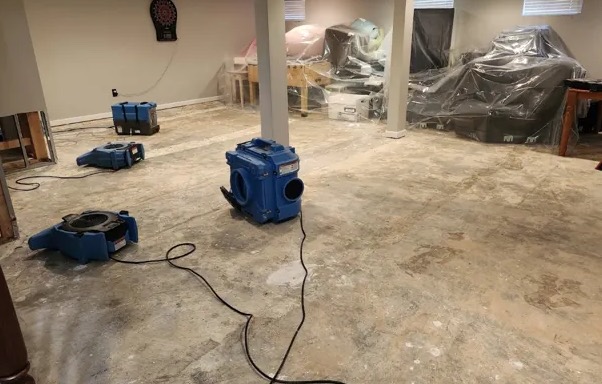
Local Surface Sanitization Experts Serving Brush Prairie, Hockinson, Battle Ground and Salmon Creek
A leak that sat behind a wall or under a floor in Brush Prairie often leaves stained, musty framing once the drywall comes off. That wood can usually stay if it is dried, cleaned and treated.
Property owners in Brush Prairie can call (503) 224-3149 to schedule treatment after a leak or flood, or day or night after a sewage backup. Service also covers Hockinson, Battle Ground and Salmon Creek.
Antimicrobial Treatment Services Options for Brush Prairie Properties
Kitchen Surface Disinfection
After a dishwasher, sink or refrigerator leak, the cabinet floors, toe kicks and wall behind them are dried and then cleaned and disinfected.
Mold Remediation Antimicrobial Treatment
After damaged materials are removed and the area is dried, an EPA-registered antimicrobial is applied to framing and subfloor to slow regrowth on surfaces that stay in place.
Crawl Space Antimicrobial Treatment
Crawl spaces stay damp after a plumbing leak. Once standing water is removed and the space dried, joists and subfloor are treated with an antimicrobial.
Emergency Sewage Sanitization
Areas touched by sewage are contained so contamination is not tracked into clean rooms, then cleaned and disinfected step by step.
Bathroom Mold Treatment
Damaged caulk and stained drywall near a shower are removed, the area is dried, and an antimicrobial is applied before new materials go in.
Signs You Need Professional Antimicrobial Treatment
Wet Materials Left for Days
Drywall, carpet or framing that stayed wet for more than a couple of days is a likely place for microbial growth.
Visible Mold on Surfaces
Dark spots on drywall, wood or grout after a leak mean the surface stayed wet long enough to need cleaning and treatment.
Poor Airflow From HVAC Vents
A musty smell from vents or weak airflow can mean moisture reached the ductwork or air handler.
Peeling Paint or Warped Drywall
Bubbling paint, soft drywall or warped trim show water got into the material, which may need removal before treatment.
How Antimicrobial Treatment Services Work in Brush Prairie
Step 1: Inspection and Moisture Check
The pros find the source of the water, check moisture levels and decide which materials can stay.
Step 2: Containment and Material Removal
Work areas are sealed with plastic, and soaked drywall, carpet and pad that cannot be saved are removed.
Step 3: Cleaning and Antimicrobial Application
Remaining surfaces are cleaned, then an EPA-registered antimicrobial is sprayed or wiped onto wood and concrete.
Step 4: Drying Check and Final Cleaning
Moisture readings confirm the area is dry, and dust and debris are cleaned up before rebuilding.
What Leads to Post Water Damage Cleaning in Brush Prairie
Foundation Cracks and Groundwater
Groundwater seeping through foundation cracks keeps lower walls and slabs wet over long periods.
Storm Flooding and Natural Disasters
Floodwater carries soil and contaminants into walls, floors and anything it reaches.
Condensation on Cold Surfaces
Warm, humid air condensing on cold pipes, ducts and windows keeps nearby surfaces wet.
Poorly Maintained HVAC Systems
A clogged condensate drain or dirty coil can keep the air handler and nearby ductwork wet.
Residential and Commercial Antimicrobial Treatment Services in Brush Prairie
Residential Antimicrobial Treatment Services
Families with children or pets should ask which product is used and how long to stay out of treated rooms. The pros follow the label directions for re-entry.
Commercial Antimicrobial Treatment Services
In food service and medical settings, disinfection must match the surface and the business rules for that space. The products and steps are explained before work begins.
When DIY Fails: Antimicrobial Treatment Services in Brush Prairie
Mixing cleaning products, especially bleach with ammonia, can create toxic fumes. If a large area needs disinfecting, call (503) 224-3149 rather than experimenting with stronger chemicals.
What Influences Antimicrobial Treatment Services Cost in Brush Prairie
Treating soon after drying in Brush Prairie keeps the job smaller. Waiting can mean more stained framing to clean and more odor to deal with later.
Odor Elimination Needs
Lingering odor may need extra cleaning or deodorizing steps beyond the antimicrobial.
Material and Agent Selection
The product chosen depends on the surface and the type of contamination, which affects cost.
Emergency Service Timing
After-hours response to a sewage backup can cost more than a scheduled visit.
Does Insurance Cover Antimicrobial Treatment Services?
Sewage backup coverage is often an add-on to a homeowner policy. Check whether you have it before cleanup begins, so you know how the claim will be handled.
Reasons to Select Local Pros for Antimicrobial Treatment Services in Brush Prairie
Documentation for Insurance
The product used, the areas treated and photos are recorded for your insurer.
Industry Cleaning Standards
Cleaning and treatment follow industry water damage standards, applied only after the area is dry.
Containment to Prevent Cross-Contamination
Plastic sheeting and controlled airflow keep contamination out of clean rooms during work.
Emergency Antimicrobial Treatment in Brush Prairie
Water damage that is starting to smell needs attention soon. Call (503) 224-3149 to schedule antimicrobial treatment services in Brush Prairie after the area is checked and dried.
Call Now (503) 224-3149Antimicrobial Treatment Services in Brush Prairie
Need antimicrobial treatment services outside Brush Prairie? Service also covers Hockinson, Battle Ground and Salmon Creek, with emergency help for sewage backups.
- Antimicrobial Treatment Services in Hockinson
- Antimicrobial Treatment Services in Battle Ground
- Antimicrobial Treatment Services in Salmon Creek
- Antimicrobial Treatment Services in Minnehaha
- Antimicrobial Treatment Services in Felida
- Antimicrobial Treatment Services in Vancouver
- Antimicrobial Treatment Services in Camas
- Antimicrobial Treatment Services in Yacolt
- Emergency Damage Restoration in 98606
- Storm Damage Restoration in 98606
- Water Damage Restoration in 98606
- Water Extraction Service in 98606
- Water Leak Detection in 98606
- Water Removal Service in 98606
Frequently Asked Questions About Antimicrobial Treatment Services
How soon after a flood should post flood disinfection begin?
Right after the water is removed and soaked materials are taken out. Surfaces are cleaned first, then disinfected and dried.
How do I know if I need mold remediation antimicrobial treatment?
If framing or subfloor stayed wet for days, shows dark spots after drywall removal or smells musty, it likely needs cleaning and treatment after drying.
Can I stay home during antimicrobial treatment?
Usually yes, but keep out of treated rooms until the product dries and the label re-entry time has passed.
Where is crawl space antimicrobial treatment usually needed?
On joists, subfloor and sill plates that got wet from a plumbing leak or seepage, after the space is dried and debris removed.
What is involved in post remediation cleaning?
After damaged materials are removed, the area is HEPA vacuumed and wiped down so dust and debris are gone before rebuilding.