Beaverton, OR · Washington County
Antimicrobial Treatment Services in Beaverton, ORCrawl Space Antimicrobial Treatment & HVAC Duct Sanitization
Antimicrobial Treatment Services in Beaverton: mold remediation antimicrobial treatment, crawl space antimicrobial treatment and HVAC duct sanitization after leaks.
Answered 24/7
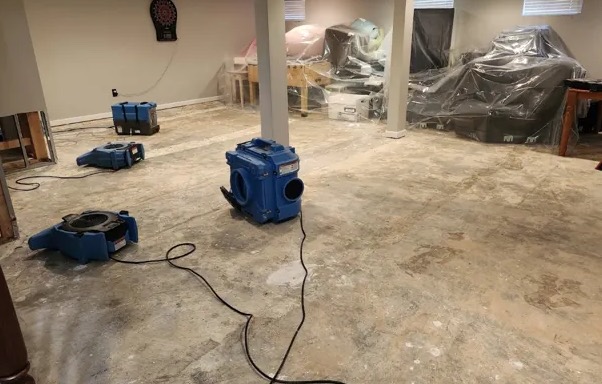
Local Antimicrobial Treatment Services for Beaverton Properties
Water damage leaves more than wet floors behind. Floodwater, sewage and long-standing leaks can leave bacteria, odors and staining on the surfaces that stay in a Beaverton home after cleanup.
Homes and businesses in Beaverton and nearby Cedar Hills, West Slope and Cedar Mill deal with the same water problems: plumbing leaks, appliance failures and sewer backups. Help with antimicrobial treatment services is applied after those leaks are cleaned up and the area is dry.
Comprehensive Antimicrobial Treatment Services for Beaverton Homes
Crawl Space Antimicrobial Treatment
Crawl spaces stay damp after a plumbing leak. Once standing water is removed and the space dried, joists and subfloor are treated with an antimicrobial.
HVAC Duct Sanitization
Registers, plenums and reachable duct runs are cleaned and treated so the system does not spread odor through the house.
Post Flood Disinfection Services
Hard surfaces that sat in floodwater are washed first, because disinfectants work poorly on dirty surfaces, then treated and left to dry.
Emergency Sewage Sanitization
Areas touched by sewage are contained so contamination is not tracked into clean rooms, then cleaned and disinfected step by step.
Basement Mold Prevention Treatment
Basements stay humid, so treatment is paired with dehumidification and fixing the leak or seepage that let the water in.
Symptoms That Warrant Antimicrobial Treatment Services in Beaverton
Poor Airflow From HVAC Vents
A musty smell from vents or weak airflow can mean moisture reached the ductwork or air handler.
Stains Found During Repairs
Dark or damp framing found when opening a wall or floor is a common reason to dry and treat before closing it up.
Recurring Mold After Cleaning
Spots that come back after cleaning usually mean the material is still wet inside or the leak was never fixed.
Wet Materials Left for Days
Drywall, carpet or framing that stayed wet for more than a couple of days is a likely place for microbial growth.
How Antimicrobial Treatment Services Work in Beaverton
Step 1: Emergency Response and Hazard Containment
For sewage or floodwater, the area is closed off and power to wet rooms is checked for safety.
Step 2: Affected Material Removal and Disposal
Contaminated carpet, pad and drywall are bagged and carried out, following local rules for disposing of sewage-soaked materials.
Step 3: Antimicrobial Fogging and Coating
Remaining framing and hard surfaces are treated by spraying, wiping or fogging, depending on the space.
Step 4: Final Sanitization and Walk-Through
Surfaces are wiped down, the area is checked, and the treatment record is shared with you.
Factors Contributing to Surface Sanitizing Issues in Beaverton
Sewage Backups and Toilet Overflows
Sewage carries bacteria and other contaminants that require disinfection of every surface it touches.
Roof Leaks and Poor Ventilation
Roof leaks let water into attics and ceilings, where poor airflow keeps insulation and wood damp for days.
High Indoor Humidity Levels
Constant high humidity keeps materials damp enough for mold, even without a single large leak.
Appliance Malfunctions and Overflows
Dishwashers, washers and water heaters leak into cabinets and subfloors where water hides and stays.
Residential and Commercial Antimicrobial Treatment Services in Beaverton
Residential Antimicrobial Treatment Services
At home, treatment usually follows a sewage backup, a flooded floor or a leak found inside a wall. Kitchens, bathrooms and crawl spaces are the most common areas treated after drying.
Commercial Antimicrobial Treatment Services
In offices, restaurants and stores, treatment is planned around business hours where possible. Surfaces used by staff and customers are cleaned and disinfected before the space reopens.
Antimicrobial Treatment Services vs. DIY: When to Call the Pros
Running a dehumidifier and fixing a leaky fixture are good DIY steps. If a musty smell remains after a week, there is likely hidden moisture that needs to be found with meters.
Pricing Considerations for Antimicrobial Treatment Services in Beaverton
In Beaverton, most of the cost comes from cleaning time, removal of soaked materials and the product used. A walk-through sets the scope before work begins.
Service Type Complexity
Fogging a whole room costs more than spot treatment of framing after a small leak.
Access and Containment
Crawl spaces, attics and ductwork take longer to reach and may need containment.
Emergency Service Timing
After-hours response to a sewage backup can cost more than a scheduled visit.
Does Insurance Cover Antimicrobial Treatment Services?
Photos, product records and moisture readings from local water damage pros help support an insurance claim for cleanup and treatment in Beaverton. Keep copies of everything you send your insurer.
Benefits of Local Pros for Antimicrobial Treatment Services in Beaverton
Targeted Treatment Plans
Treatment is limited to the areas that were wet or contaminated, based on moisture readings.
Surface and Air Treatment
Hard surfaces are cleaned and disinfected, and air scrubbers can be used while work is under way.
Containment to Prevent Cross-Contamination
Plastic sheeting and controlled airflow keep contamination out of clean rooms during work.
24/7 Emergency Antimicrobial Treatment Services in Beaverton
The sooner wet, dirty surfaces are cleaned and treated, the less material needs replacing. Call (503) 224-3149 for antimicrobial treatment services in Beaverton.
Call Now (503) 224-3149Antimicrobial Treatment Services Coverage in Beaverton and Surrounding Communities
Besides Beaverton, local water damage pros handle cleaning, disinfection and antimicrobial treatment in nearby Cedar Hills, West Slope and Cedar Mill.
- Antimicrobial Treatment Services in Cedar Hills
- Antimicrobial Treatment Services in West Slope
- Antimicrobial Treatment Services in Cedar Mill
- Antimicrobial Treatment Services in Raleigh Hills
- Antimicrobial Treatment Services in Garden Home
- Antimicrobial Treatment Services in West Haven-Sylvan
- Antimicrobial Treatment Services in Metzger
- Antimicrobial Treatment Services in Bull Mountain
- Emergency Damage Restoration in 97003
- Storm Damage Restoration in 97003
- Water Damage Restoration in 97003
- Water Extraction Service in 97003
- Water Leak Detection in 97003
- Water Removal Service in 97003
- Emergency Damage Restoration in 97005
- Storm Damage Restoration in 97005
Frequently Asked Questions About Antimicrobial Treatment Services
What is the difference between disinfecting and sanitizing surfaces?
Sanitizing lowers germs on a surface. Disinfecting kills a wider range of germs as listed on the product label. Sewage cleanup calls for disinfection.
Is kitchen surface disinfection different from regular cleaning?
Yes. Surfaces that touched dirty water are cleaned and then disinfected with a product suited to food-prep areas.
Can I stay home during antimicrobial treatment?
Usually yes, but keep out of treated rooms until the product dries and the label re-entry time has passed.
Are antimicrobial spray products safe for pets?
Products are used according to their labels, which list re-entry times. Keep pets and children out of treated rooms until the label says it is safe.
What is included in a standard antimicrobial treatment service?
Removing materials that cannot be saved, drying the area, cleaning remaining surfaces and applying an EPA-registered antimicrobial to wood, concrete and other hard materials.