Banks, OR · Washington County
AC Unit Water Removal in Banks, ORAC Leak Water Cleanup & Emergency AC Water Removal
AC Unit Water Removal in Banks runs from emergency AC water removal and AC leak water cleanup to air conditioner restoration services.
Answered 24/7
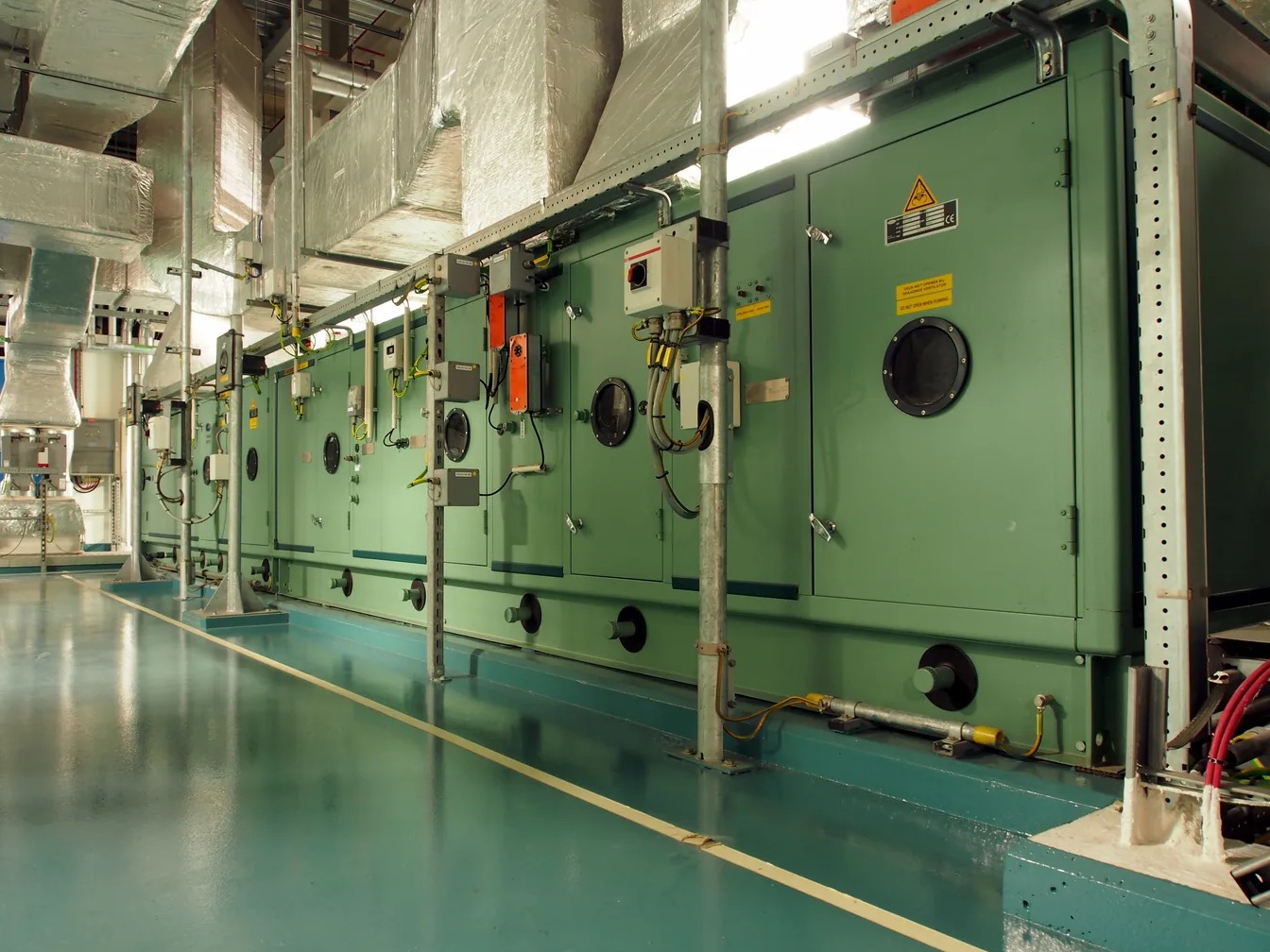
Local AC Unit Water Removal Services in Banks, Oregon
In Banks, an AC that runs for months produces a steady flow of condensate. A blocked or disconnected drain line sends that flow into the house, where it soaks whatever sits below the unit.
In Banks, North Plains, Forest Grove and Cornelius, long cooling seasons give algae plenty of time to clog drain lines. The pros remove the water, clear the line and dry ceilings, walls and flooring before the damage spreads further into framing, insulation and the rooms nearby.
Comprehensive AC Unit Water Removal Solutions in Banks
AC Leak Water Cleanup
Cleanup starts at the drain pan and works outward, removing pooled water and wet debris so drying can begin.
Emergency AC Water Removal
Help is available day or night for leaks that start after hours, when water dripping from an attic unit cannot wait until morning.
AC Leak Mold Prevention
Once materials are dry, an EPA-registered antimicrobial can be applied to wet wood and drywall near the unit to slow microbial growth.
AC Condensate Drain Clearing
The PVC drain line is cleared with suction or a flush, and the trap is checked so water stops backing up into the pan.
AC Drain Pan Water Extraction
Water sitting in a full or cracked drain pan is removed before it spills over into the ceiling or walls below.
Signs of AC Water Damage Requiring Removal
AC System Shuts Off
Many units have a float switch that shuts the system off when the pan fills. If the AC stops cooling, check the pan.
Unusual AC System Noises
Gurgling or dripping sounds from the unit can mean water is backing up in the drain line.
Wet AC Unit Components
Damp coils, a wet blower compartment or moisture around wiring inside the cabinet mean water is collecting where it should not.
Visible Mold Near AC
Dark spots on drywall or framing near the unit mean the area has stayed wet for days.
How AC Unit Water Removal Works in Banks
Step 1: AC Unit Flood Cleanup
Water is extracted quickly to keep it from soaking into insulation, framing and the ceiling below.
Step 2: Drain Line Diagnosis and Clearing
The drain line is inspected for clogs, sags or loose fittings and cleared so water drains outside.
Step 3: Structural and Unit Drying
Air movers and dehumidifiers run around the unit, with daily moisture checks on walls and floors.
Step 4: System Check and Cleanup
The pan is cleaned, the drain is tested with water and the area is left dry.
Common Causes of AC Unit Water Damage in Banks
Clogged AC Condensation Line
Algae and sludge build up in the drain line over a cooling season until water backs up into the pan.
High Static Pressure in Ducts
Restricted ducts can pull water off the coil and blow it into the cabinet or ductwork.
Disconnected Drain Line
A drain line knocked loose in the attic or closet empties condensate onto the ceiling or floor.
Age and Component Wear
Older units have worn fittings, brittle seals and corroded pans that start leaking together.
AC Unit Water Removal for Homes and Businesses in Banks
Residential AC Unit Water Removal
Attic air handlers in houses leak into bedroom and hallway ceilings. The pan is emptied, the ceiling checked with a meter and wet drywall dried or cut out before it sags.
Commercial AC Unit Water Removal
Commercial systems have larger pans and longer drain runs. Clearing the line and drying ceiling tiles and carpet keeps the space open and safe for staff and customers.
The Risks of DIY AC Unit Water Removal in Banks
DIY works for a small puddle on tile that you catch right away and wipe dry. Wet carpet and pad, or drywall that feels soft, usually need professional extraction and drying equipment to dry fully.
Understanding AC Unit Water Removal Pricing in Banks
In Banks, most of the cost comes from extraction, equipment days and any drywall or insulation that has to be replaced. A walk-through sets the scope before work starts.
Affected Component Count
The more of the system that got wet, such as the blower, panels and insulation, the more drying time is needed.
Emergency Service Timing
After-hours and holiday response can cost more than a scheduled weekday visit.
Preventative Treatment Scope
Antimicrobial treatment is an optional step, priced by the size of the area treated.
Does Insurance Cover AC Unit Water Removal?
Coverage for AC unit water removal varies from policy to policy. The pros document the damage and the drying, but your insurer decides what is covered and what is not, so ask early in the claim.
Advantages of Hiring Local Pros in Banks for AC Unit Water Removal
Preventative Microbial Treatment
Optional antimicrobial treatment can be applied to wood and drywall that stayed wet for days.
Industry Drying Standards
Drying follows industry water damage standards, with moisture readings at each visit.
24/7 Emergency Response
Help is available any hour, which matters when an attic unit starts leaking into a ceiling at night.
24/7 Emergency AC Unit Water Removal Response in Banks
Every hour of standing water means more drying later and more materials to replace. Call (503) 224-3149 for AC unit water removal in Banks as soon as you see the leak.
Call Now (503) 224-3149AC Unit Water Removal Near Banks: Areas Served
Help with AC unit water removal is also available in communities near Banks, including North Plains, Forest Grove and Cornelius, for leaking air handlers and overflowing drain pans.
- AC Unit Water Removal in North Plains
- AC Unit Water Removal in Forest Grove
- AC Unit Water Removal in Cornelius
- AC Unit Water Removal in Hillsboro
- AC Unit Water Removal in Rockcreek
- AC Unit Water Removal in Scappoose
- AC Unit Water Removal in Vernonia
- AC Unit Water Removal in Aloha
- Emergency Damage Restoration in 97106
- Storm Damage Restoration in 97106
- Water Damage Restoration in 97106
- Water Extraction Service in 97106
- Water Leak Detection in 97106
- Water Removal Service in 97106
- Emergency Damage Restoration in 97125
- Storm Damage Restoration in 97125
AC Unit Water Removal FAQ for Banks Homeowners
What should I do while waiting for help with an AC leak?
Turn off the AC, place towels or a bucket under the drip, move belongings out of the way and take photos.
Can an AC condensation leak damage the ceiling?
Yes. Attic units leak straight into the drywall below, causing stains, sagging and eventually collapse if left alone.
What is involved in AC unit water removal?
Standing water is extracted, the condensate line is cleared, and wet materials are dried with air movers and dehumidifiers until moisture readings are normal.
Why does the drain pan need to be emptied?
A full pan overflows into ceilings and floors. Emptying and inspecting it stops the spill and shows whether the pan is cracked.
Why document AC water damage?
Photos and moisture readings show what got wet and how it was dried, which helps your insurance claim.